Copa Q2 Profit Falls 53.9% to $68.2 Million

Aviation News Editor & Industry AnalystAviation News Editor & Industry Analyst delivering clear coverage for a worldwide audience.
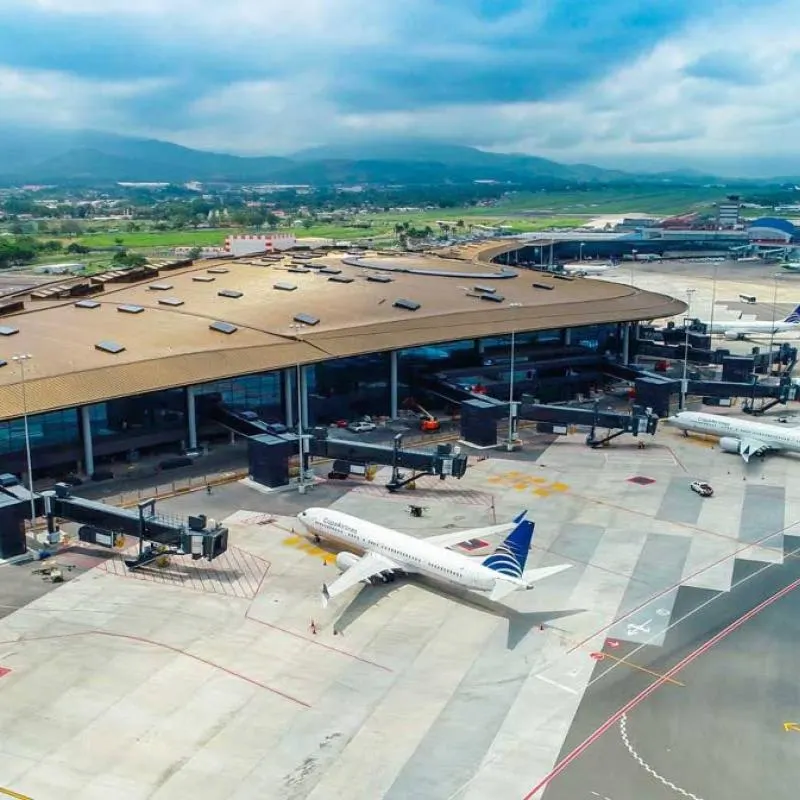
Copa Holdings reported a 53.9% drop in second-quarter net profit to $68.2 million as a surge in jet fuel prices offset strong revenue growth.
Key Takeaways
- •Copa Holdings' Q2 2026 net profit fell 53.9% to US$68.2 million.
- •Operating revenue rose 25.7% to US$1.06 billion despite fuel spikes.
- •Average jet fuel prices jumped 84.8% year-over-year to US$4.28.
- •Copa will transition to eight connecting banks at PTY by March 2027.
During the Copa Holdings Q2 2026 financial period, rising airline fuel costs significantly impacted the carrier's bottom line despite robust passenger demand. While the Copa Airlines Panama hub continued to deepen Jamaica Latin America connectivity, the parent company's net profit fell by 53.9% year-over-year to US$68.2 million. According to the Copa Holdings quarterly financial results, operating revenue actually increased by 25.7% year-over-year to US$1.06 billion. However, a sharp spike in operating expenses, driven primarily by fuel price volatility, severely compressed the airline's operating margin, which dropped by 13.1 percentage points to 8.7%.
This margin compression highlights the ongoing vulnerability of Latin American carriers to global energy market fluctuations, even during periods of historic demand. For passengers and regional economies, the financial pressure introduces potential fare increases as carriers look to pass on rising costs. However, Copa's strategic focus on maintaining capacity at its Panama City hub, Tocumen International Airport (PTY), ensures that vital tourism corridors—particularly between Central America, South America, and the Caribbean—remain operational.
Fuel Price Surges and Operating Revenue Growth
The primary driver of the profit decline was an 84.8% year-over-year surge in the average price of jet fuel, which reached US$4.28 per gallon during the second quarter of 2026. This escalation outpaced Copa's capacity expansion and revenue gains. The carrier increased its capacity, measured in Available Seat Miles (ASM), by 16.5% year-over-year.
Despite the fuel headwinds, passenger demand remained highly resilient. The increase in operating revenue to US$1.06 billion was supported by strong traffic across the network. Copa Holdings filed these quarterly financial results with the U.S. Securities and Exchange Commission (SEC) under Form 6-K, reflecting its regulatory compliance as a foreign private issuer traded on the New York Stock Exchange.
Pedro Heilbron, Executive Chairman and Chief Executive Officer of Copa Holdings, stated that the second-quarter results demonstrated the resilience of the airline's business model in a "significantly higher fuel price environment." Heilbron emphasized that the carrier's focus remains on operational efficiency and network flexibility to navigate these cost pressures.
The financial performance has direct consequences for several key stakeholder groups. Copa Holdings Shareholders experienced a direct impact, with net profit falling to US$68.2 million alongside a downward revision in full-year operating margin guidance, though a quarterly dividend of US$1.71 per share was maintained. Meanwhile, the Jamaica Tourism Sector continues to benefit from sustained air connectivity. Copa Airlines maintained strong capacity on routes to Kingston and Montego Bay, supporting Jamaica's strategic initiative to diversify its visitor markets beyond North America. Finally, Connecting Passengers face the medium-term risk of higher ticket prices as Copa and its regional competitors adjust pricing structures to absorb the fuel cost increases.
Historical Precedents in Energy Market Volatility
The current margin squeeze closely mirrors historical industry cycles. In mid-2022, during the global energy crisis, airlines worldwide reported severely compressed margins as jet fuel prices doubled following geopolitical disruptions in Europe. During that period, carriers were forced to aggressively raise fares and optimize networks to offset unprecedented operating costs. The 2026 fuel spike represents a similar structural challenge, where rapid fuel price inflation temporarily outpaces an airline's ability to adjust its Revenue per Available Seat Mile (RASM) relative to its Cost per Available Seat Mile (CASM).
Fuel Cost Volatility and Margin Compression
The divergence between Copa's 25.7% revenue growth and its 53.9% profit decline illustrates a classic industry phenomenon: extreme operational leverage highly sensitive to single-input cost variables. In the second quarter of 2026, Copa's capacity growth of 16.5% ASM was designed to capture expanding Caribbean tourism demand and broader Latin American business travel. However, because fuel typically represents between 30% and 40% of a carrier's total operating expenses, an 84.8% price surge immediately shifts the cost curve upward. This shift compresses the operating margin even when load factors and passenger yields remain high. This development indicates that structural cost cycles, rather than demand destruction, remain the primary threat to airline profitability in the current post-pandemic period. It also highlights the limitations of capacity expansion as a tool to dilute fixed costs when variable costs escalate so rapidly.
Transition to Eight Connecting Banks at PTY
To optimize its network efficiency and improve aircraft utilization, Copa Airlines is executing several strategic milestones. The carrier has confirmed it will transition to an eight-connecting-bank system at its primary hub, Tocumen International Airport (PTY), by March 2027. This restructuring of the hub's schedule is expected to reduce connection times, increase city-pair connectivity, and maximize the efficiency of its fleet. This transition is designed to bolster Copa's competitive position in the region, allowing it to better absorb future fuel price shocks by maximizing unit revenues through more efficient passenger routing.
Why Hub Efficiency Matters to Caribbean Tourism
For the broader aviation and tourism industries, Copa's ability to maintain its network integrity despite severe cost pressures is critical. The carrier's hub model acts as a primary bridge for Central and South American travelers visiting the Caribbean, helping destinations like Jamaica reduce their reliance on traditional North American source markets. If Copa can successfully navigate this high-cost environment without cutting capacity, it will preserve vital economic pipelines across the Americas.
Frequently Asked Questions
- Why did Copa Holdings' profit decline in Q2 2026?
- Copa Holdings' net profit declined by 53.9% due to an 84.8% year-over-year surge in jet fuel prices, which averaged US$4.28 per gallon. This cost increase offset a 25.7% growth in operating revenue.
- How did Copa Airlines perform operationally in Q2 2026?
- Copa Airlines expanded its capacity, measured in Available Seat Miles, by 16.5% year-over-year. The carrier also maintained strong connectivity between its Panama hub and Jamaican destinations like Kingston and Montego Bay.
- What is Copa Airlines' plan for its Panama hub?
- Copa Airlines has confirmed it will transition to an eight-connecting-bank system at Tocumen International Airport by March 2027. This move is designed to optimize flight connections and improve operational efficiency.
Get breaking commercial aviation news and expert airline analysis at omniflights.com. Follow aviation sustainability efforts, emissions research, and green initiatives in the Environmental section at omniflights.com/environmental.
Written by Ujjwal Sukhwani
Aviation News Editor & Industry Analyst delivering clear coverage for a worldwide audience. Covers flight operations, safety regulations, and market trends with expert analysis.
Visit ProfileYou Might Also Like
Discover more aviation news based on similar topics

Flydubai Upgrading 21 Boeing 737 MAX 8s to Flat Bed Seats
Flydubai is retrofitting 21 Boeing 737 MAX 8 aircraft with lie-flat business class seats to standardize its premium product by late 2027.
Emirates Winter Booking Momentum Grows Amid Fleet Expansion
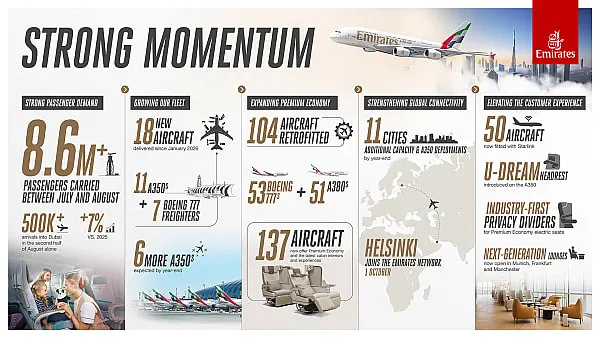
Emirates carried 8.6 million passengers this summer and enters winter with strong demand as it accelerates fleet retrofits and network growth.
Air Arabia Consortium Gains AOC for New Dammam Budget Airline
A Saudi GACA-led consortium including Air Arabia has secured an AOC to launch a new budget airline based at Dammam's King Fahd International Airport.

Turkish Airlines Exits Luanda as Angola Hub Struggles
Turkish Airlines dropped its Luanda route as Angola's new airport struggles to attract traffic, handling only 756,028 passengers in 2025.

Red Sea Airlines Leases Two 737 MAX 8s for 2027 Expansion
Red Sea Airlines signed a lease for two Boeing 737 MAX 8 aircraft from SMBC Aviation Capital, arriving in 2027 to support its 14-aircraft fleet goal.
Avelo CEO Warns Airfares May Rise on Jet Fuel Price Spikes
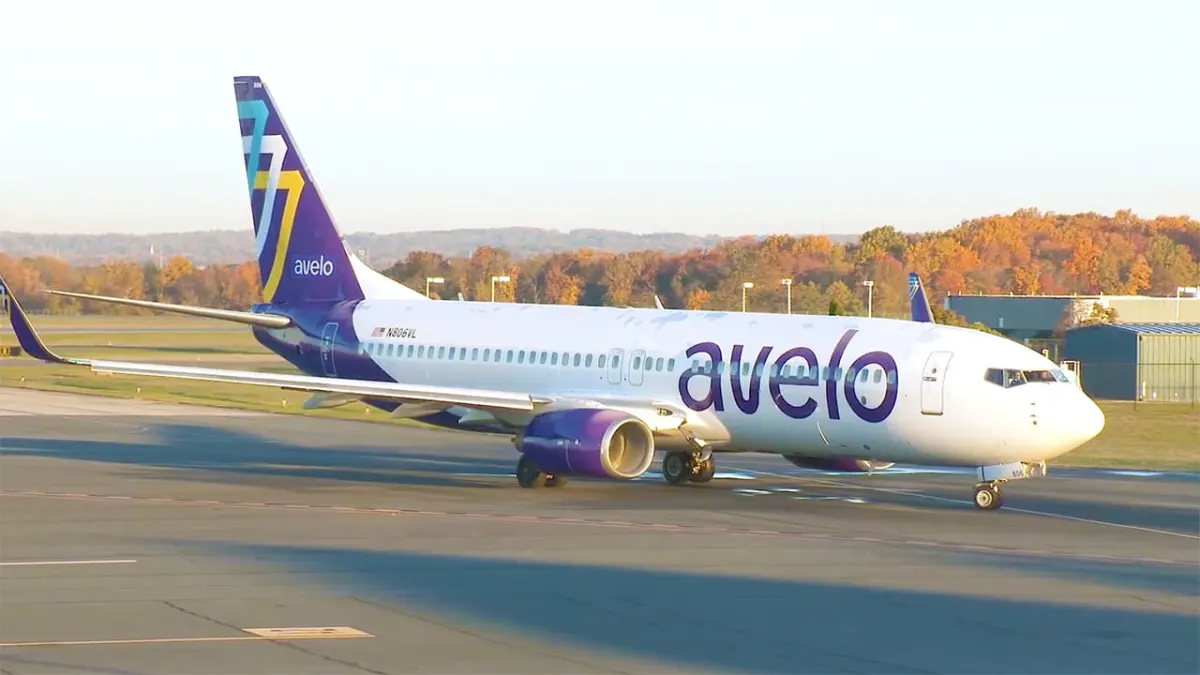
Avelo Airlines CEO Andrew Levy warns that rising fuel costs may force fare increases as global jet fuel prices reach $171.01 per barrel.