CDB Aviation Delivers Three A321neos to Jet2

Aviation News Editor & Industry AnalystAviation News Editor & Industry Analyst delivering clear coverage for a worldwide audience.

CDB Aviation delivered three new Airbus A321neo aircraft to Jet2, supporting the leisure carrier's ongoing fleet modernization program.
Key Takeaways
- •CDB Aviation delivered three Airbus A321-251NX aircraft to Jet2.
- •Jet2's fleet modernization program is anchored by 155 A321neo orders.
- •New A321neos feature a high-density 232-seat all-economy configuration.
- •Fleet transition targets a 20% reduction in fuel burn and carbon emissions.
Irish aircraft lessor CDB Aviation (a wholly owned subsidiary of China Development Bank Financial Leasing) has completed a CDB Aviation Jet2 transaction with the Airbus A321neo delivery of three new A321-251NX aircraft (Airbus A321neo (CFM LEAP-1A engines, Airbus Cabin Flex)) to the United Kingdom's leading leisure travel carrier. This milestone supports the Jet2 fleet modernization program, which is anchored by a firm order for 155 Airbus A321neo family aircraft. The newly delivered aircraft are configured with 232 seats in an all-economy layout to maximize capacity on high-demand European holiday routes.
The addition of these three highly efficient narrowbodies allows Jet2 to immediately scale its operations while addressing pressing environmental targets. By introducing the A321-251NX variant, Jet2 gains significant operational flexibility and efficiency. The aircraft are powered by CFM International LEAP-1A engines and feature the Airbus Cabin Flex configuration, which optimizes exit limits to accommodate the high-density passenger layout. For Jet2, this delivery represents a practical step toward its long-term sustainability goals, which include reducing carbon emissions per passenger-kilometer by 35% by 2035.
According to a CDB Aviation press release, the three aircraft were delivered from the lessor's orderbook to support Jet2’s summer and winter holiday schedules. Gavan Daly, CDB Aviation’s Head of Commercial for EMEA (Europe, Middle East, and Africa), emphasized the lessor's focus on execution and relationship-building. Daly noted that adding a key United Kingdom market player like Jet2 demonstrates the lessor's commitment to meeting specific customer fleet requirements.
The transition to this new fleet structure has a high impact on several industry stakeholders. For Boeing Commercial Airplanes, Jet2's shift represents a significant loss of long-term market share. Historically, Jet2 operated a heavily Boeing-dominated fleet, relying on Boeing 737-800 and 757-200 models. The carrier's pivot to Airbus for its future narrowbody needs reshapes the competitive landscape in the UK leisure market. Conversely, CFM International stands to benefit from substantial long-term service and maintenance revenue, as these specific A321-251NX aircraft are powered by their LEAP-1A engines. For Jet2 Passengers, the impact is highly positive; travelers will experience a modernized Airspace cabin featuring 60% larger overhead bins and a 50% lower noise footprint compared to older-generation aircraft.
Jet2's transition to Airbus began in August 2021, when the airline placed its first-ever order for 36 A321neos. This initial order marked a historic departure from its legacy Boeing fleet, laying the foundation for the current large-scale modernization program. Over the subsequent years, Jet2 expanded its commitment, culminating in a firm order book of up to 155 aircraft.
The performance metrics of the new A321neo contrast sharply with the legacy Boeing 737-800 aircraft that have long formed the backbone of Jet2's fleet.
Airbus A321neo vs. Boeing 737-800: Key Specifications
| Metric | Airbus A321neo | Boeing 737-800 |
|---|---|---|
| Seating Capacity | 232 seats | 189 seats |
| Fuel Efficiency | 20% lower fuel burn per seat | Legacy baseline |
| Range | Up to 4,000 nm | 2,935 nm |
This technical leap allows Jet2 to fly longer sectors with higher passenger loads, dramatically improving unit costs on competitive European routes.
How the A321neo Reshapes Jet2's Route Economics
The delivery of these three A321-251NX aircraft highlights a broader industry trend of leisure carrier fleet upgauging. As slot constraints intensify at major European airports, leisure airlines can no longer rely solely on increasing flight frequencies to drive growth. Instead, they must maximize the capacity of each individual departure. By replacing 189-seat Boeing 737-800s with 232-seat A321neos, Jet2 increases its capacity per flight by nearly 23% without requiring additional airport slots.
Furthermore, this fleet renewal strategy is heavily driven by lessor capital. Airlines are increasingly utilizing major leasing platforms, such as CDB Aviation, to finance the transition to next-generation fleets without overleveraging their own balance sheets. This trend accelerates the retirement of older, less efficient aircraft types across Europe, helping carriers meet tightening environmental regulations. The A321neo's 20% reduction in fuel consumption and carbon dioxide emissions per seat directly supports Jet2's compliance with upcoming UK and European Union Sustainable Aviation Fuel mandates, which are set to phase in starting in 2025.
The Road to 155 A321neos by 2035
Looking ahead, Jet2's fleet transition will continue to scale rapidly. The integration of up to 146 remaining Airbus A321neo aircraft is confirmed to proceed through 2035 under Jet2 plc's capital expenditure plan. This structured rollout will gradually phase out the carrier's remaining legacy Boeing narrowbodies, establishing a highly standardized, all-Airbus single-aisle fleet.
CDB Aviation, backed by its parent China Development Bank, is expected to remain a key financing partner for European carriers seeking similar fleet renewals. As the regulatory pressure to decarbonize intensifies, the delivery schedule for next-generation narrowbodies will remain highly competitive, with lessors playing a critical role in securing delivery slots for airlines.
Why the Leisure Fleet Pivot Matters to the Industry
This delivery demonstrates how environmental mandates and airport capacity constraints are fundamentally reshaping the economics of leisure travel. By partnering with CDB Aviation to secure high-density A321neos, Jet2 positions itself to maintain high-margin holiday operations in a highly regulated, slot-constrained European market. For the broader industry, it underscores the terminal decline of older narrowbody platforms in favor of highly efficient, lessor-financed alternatives.
Frequently Asked Questions
- What is the seating capacity of Jet2's new Airbus A321neo aircraft?
- The newly delivered Airbus A321neo aircraft are configured with 232 seats in an all-economy layout, designed to maximize capacity on high-demand European holiday routes.
- How many Airbus A321neo family aircraft does Jet2 have on order?
- Jet2's fleet modernization program is anchored by a firm order for up to 155 Airbus A321neo family aircraft, which are scheduled to be integrated into the fleet through 2035.
- What engines power Jet2's new Airbus A321-251NX aircraft?
- The A321-251NX aircraft delivered to Jet2 are powered by CFM International LEAP-1A engines.
For global airline trends and commercial aviation news, turn to omniflights.com. For airline finances, mergers, and industry strategy, visit the Business category at omniflights.com/business.
Written by Ujjwal Sukhwani
Aviation News Editor & Industry Analyst delivering clear coverage for a worldwide audience. Covers flight operations, safety regulations, and market trends with expert analysis.
Visit ProfileYou Might Also Like
Discover more aviation news based on similar topics
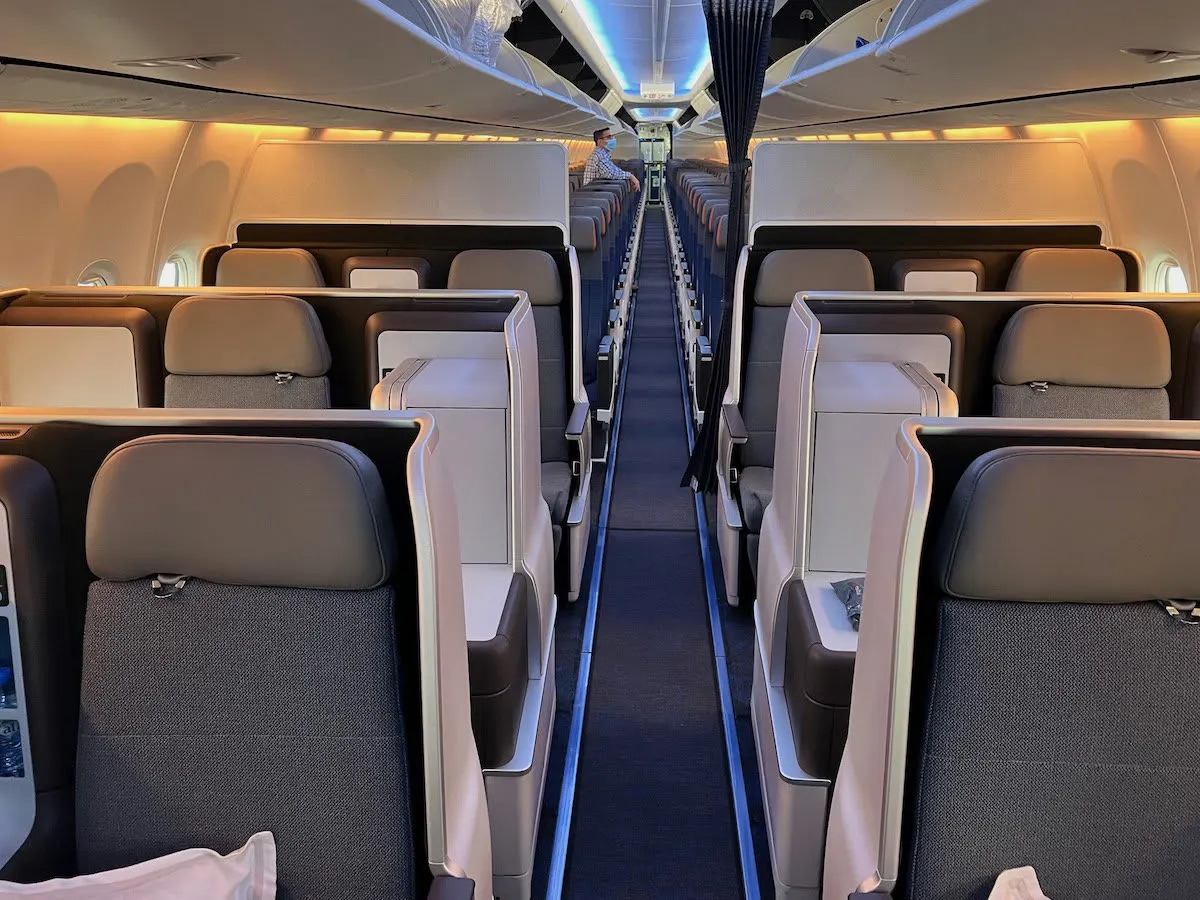
Flydubai Upgrading 21 Boeing 737 MAX 8s to Flat Bed Seats
Flydubai is retrofitting 21 Boeing 737 MAX 8 aircraft with lie-flat business class seats to standardize its premium product by late 2027.
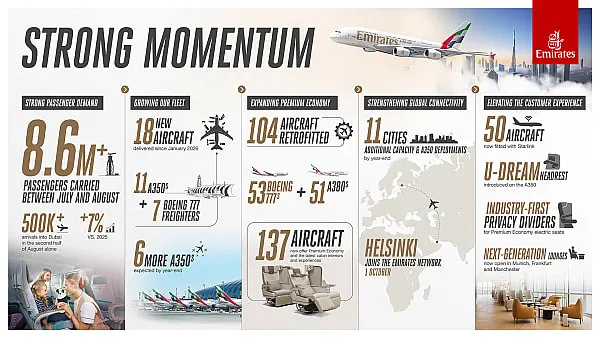
Emirates Winter Booking Momentum Grows Amid Fleet Expansion
Emirates carried 8.6 million passengers this summer and enters winter with strong demand as it accelerates fleet retrofits and network growth.
Air Arabia Consortium Gains AOC for New Dammam Budget Airline
A Saudi GACA-led consortium including Air Arabia has secured an AOC to launch a new budget airline based at Dammam's King Fahd International Airport.
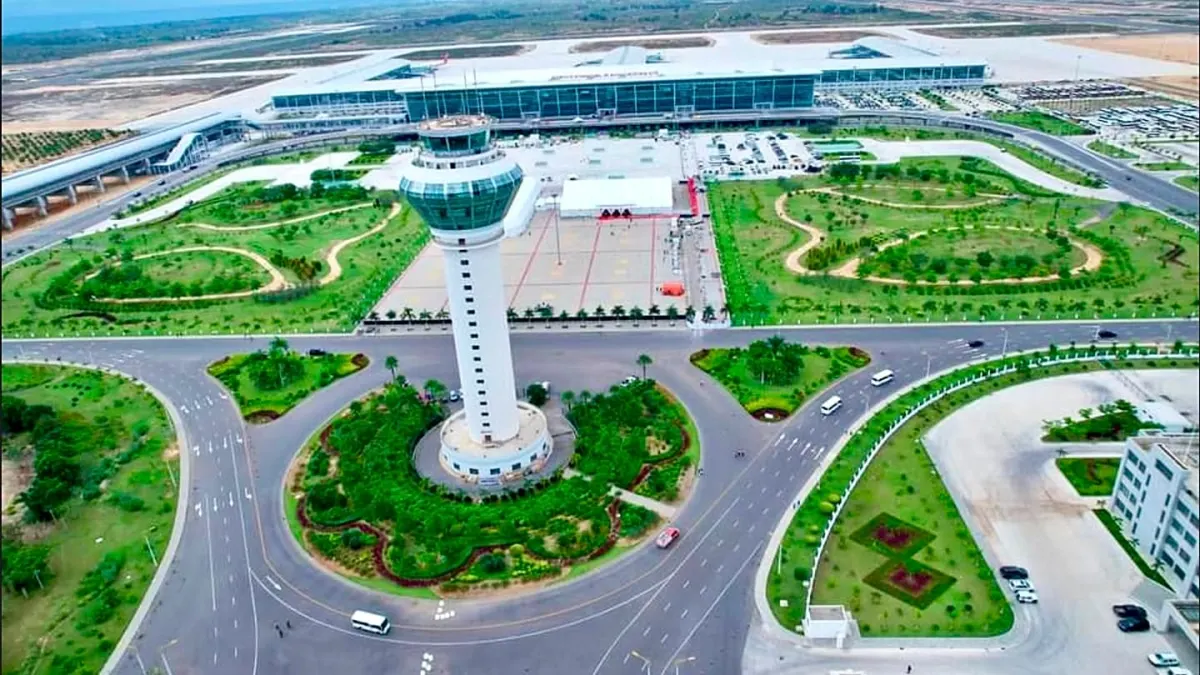
Turkish Airlines Exits Luanda as Angola Hub Struggles
Turkish Airlines dropped its Luanda route as Angola's new airport struggles to attract traffic, handling only 756,028 passengers in 2025.

Red Sea Airlines Leases Two 737 MAX 8s for 2027 Expansion
Red Sea Airlines signed a lease for two Boeing 737 MAX 8 aircraft from SMBC Aviation Capital, arriving in 2027 to support its 14-aircraft fleet goal.
Avelo CEO Warns Airfares May Rise on Jet Fuel Price Spikes
Avelo Airlines CEO Andrew Levy warns that rising fuel costs may force fare increases as global jet fuel prices reach $171.01 per barrel.