Cathay Pacific Plans Fleet Expansion for Hong Kong Hub

Co-Founder & CEOAviation News Editor delivering trusted coverage across the global aviation industry.
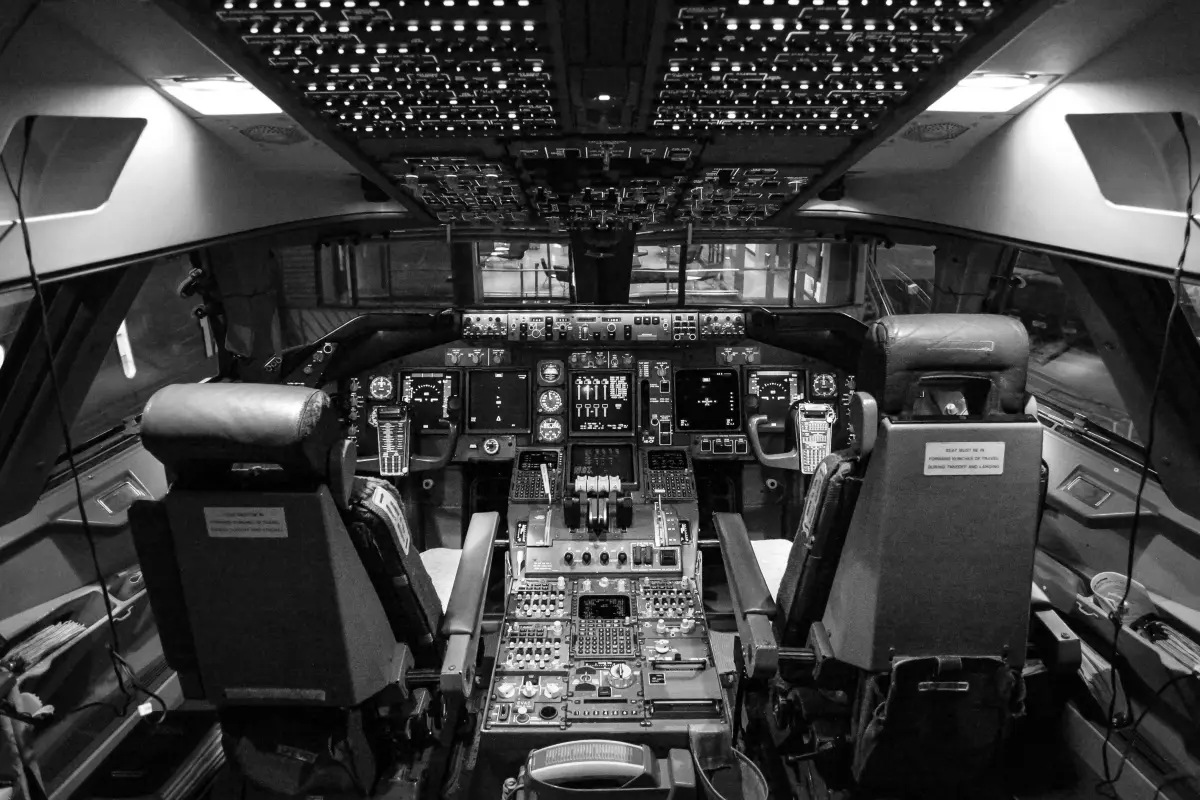
Cathay Pacific CEO Ronald Lam plans further aircraft orders to leverage the new Hong Kong International Airport Three-Runway System capacity.
Key Takeaways
- •Cathay Pacific plans new aircraft orders to expand its fleet capacity.
- •Growth strategy aims to utilize the 120-million passenger capacity of the 3RS.
- •Firm order backlog currently exceeds 100 new-generation aircraft.
- •Cathay Cargo must transition to fuel-efficient freighters by 2028.
Strategic Growth at Hong Kong International Airport
Cathay Pacific is actively evaluating new aircraft orders across its widebody, narrowbody, and freighter segments to support a decade-long expansion strategy. CEO Ronald Lam confirmed these intentions during the IATA AGM (International Air Transport Association Annual General Meeting) in Rio de Janeiro in June 2026. The airline aims to capitalize on the recently commissioned 3RS (Three-Runway System) at HKIA (Hong Kong International Airport), which significantly increases the hub's operational throughput.
This expansion comes as the airline seeks to maximize the potential of the 3RS infrastructure, which has expanded total handling capacity to 120 million passengers and 10 million tonnes of cargo annually. By aligning fleet growth with this increased slot capacity, Cathay Pacific intends to bolster its position within the competitive Asia-Pacific market.
Current Fleet and Order Backlog
Cathay Pacific maintains a robust growth trajectory with a firm order backlog exceeding 100 new-generation aircraft. This portfolio includes Boeing 777-9s, Airbus A330-900neos, and Airbus A350Fs. These additions are designed to modernize the current passenger fleet, which comprises approximately 179 aircraft, including Airbus A321neos, A330s, A350s, and Boeing 777s.
For Cathay Cargo, the fleet transition is particularly critical. The current freighter fleet consists of 20 Boeing 747s, including 14 747-8Fs and 6 747-400ERFs. The airline is looking toward next-generation freighters to comply with the upcoming ICAO (International Civil Aviation Organization) CO2 emissions standards for freighters, which take effect on January 1, 2028. This regulatory shift necessitates a transition from older, less efficient models to compliant aircraft like the A350F.
Competitive Dynamics and Industry Trends
Cathay Pacific's strategy reflects a broader trend of aggressive post-pandemic fleet renewal among Asia-Pacific carriers. Airlines are currently locking in delivery slots for the late 2020s and early 2030s to mitigate risks associated with ongoing supply chain and manufacturing delays at major OEMs (Original Equipment Manufacturers).
Next-Generation Large Freighters: A350F vs. 777-8F
| Metric | Airbus A350F | Boeing 777-8 Freighter |
|---|---|---|
| Max Structural Payload | 111 tonnes | 118.2 tonnes |
| Range at Max Payload | 4,700 nmi | 4,410 nmi |
| Usable Cargo Volume | 717 cubic meters | 766 cubic meters |
While the airline moves forward with fleet modernization, environmental groups have noted that expanding airline fleets and airport capacity may conflict with global carbon reduction targets. Cathay Pacific maintains that the introduction of fuel-efficient, next-generation aircraft is a primary component of its commitment to long-term sustainability.
Stakeholder Impact and Future Milestones
For Airbus and Boeing, Cathay’s evaluation represents a significant opportunity for lucrative new contracts. Engine manufacturers, including GE Aerospace and Rolls-Royce, are also closely monitoring the selection process, as future propulsion and long-term maintenance contracts depend on the chosen airframe platforms. Meanwhile, competing regional hubs such as Singapore Airlines and EVA Air face increased competitive pressure as Cathay restores and expands its network capacity.
Looking ahead, the airline expects the first delivery of its Boeing 777-9 aircraft in late 2027. This milestone will be followed by the implementation of the new ICAO CO2 emissions standards on January 1, 2028, which will serve as a definitive deadline for the transition of the cargo fleet.
Why This Matters for the Asia-Pacific Hub
The alignment of fleet expansion with the 3RS commissioning positions Cathay Pacific to reclaim its status as a primary global transit hub. By securing delivery slots now, the airline ensures it has the necessary capacity to absorb the projected growth in passenger and cargo demand through the next decade. For travellers and cargo shippers, this signals a return to increased frequency and connectivity across major transpacific and European routes.
Frequently Asked Questions
- What is the significance of the 3RS at Hong Kong International Airport for Cathay Pacific?
- The Three-Runway System expands the airport's annual capacity to 120 million passengers and 10 million tonnes of cargo. This infrastructure provides the necessary slot capacity for Cathay Pacific to execute its planned fleet expansion over the next decade.
- Why is Cathay Cargo transitioning to newer freighter aircraft?
- Cathay Cargo is updating its fleet to comply with the new International Civil Aviation Organization CO2 emissions standards for freighters, which become mandatory on January 1, 2028. This transition involves replacing older Boeing 747 freighters with more fuel-efficient, compliant models like the Airbus A350F.
omniflights.com provides comprehensive commercial aviation news covering airlines, aircraft, and airports. Stay informed on aviation incidents, investigations, and best practices in the Safety category at omniflights.com/safety.
Written by Hardik Vishwakarma
Co-Founder & Aviation News Editor leading initiatives that improve trust and visibility across the global aviation industry. Covers airlines, airports, safety, and emerging technology.
Visit ProfileYou Might Also Like
Discover more aviation news based on similar topics
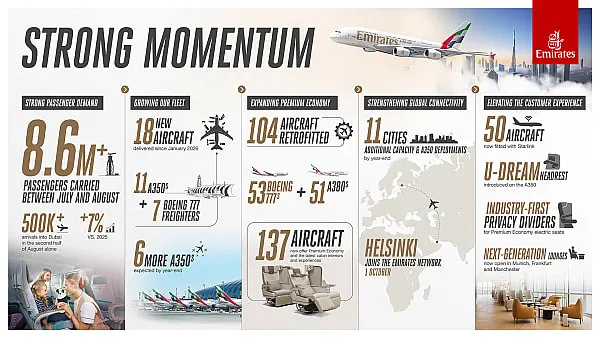
Emirates Winter Booking Momentum Grows Amid Fleet Expansion
Emirates carried 8.6 million passengers this summer and enters winter with strong demand as it accelerates fleet retrofits and network growth.
Air Arabia Consortium Gains AOC for New Dammam Budget Airline
A Saudi GACA-led consortium including Air Arabia has secured an AOC to launch a new budget airline based at Dammam's King Fahd International Airport.
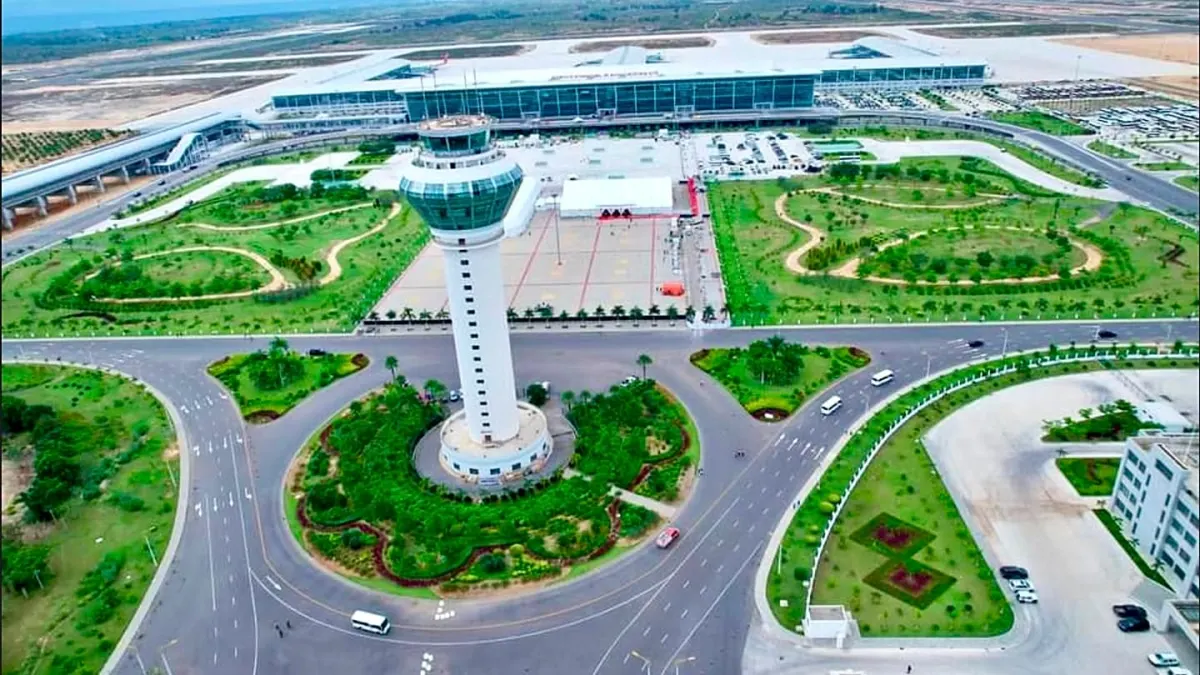
Turkish Airlines Exits Luanda as Angola Hub Struggles
Turkish Airlines dropped its Luanda route as Angola's new airport struggles to attract traffic, handling only 756,028 passengers in 2025.

Red Sea Airlines Leases Two 737 MAX 8s for 2027 Expansion
Red Sea Airlines signed a lease for two Boeing 737 MAX 8 aircraft from SMBC Aviation Capital, arriving in 2027 to support its 14-aircraft fleet goal.
Avelo CEO Warns Airfares May Rise on Jet Fuel Price Spikes
Avelo Airlines CEO Andrew Levy warns that rising fuel costs may force fare increases as global jet fuel prices reach $171.01 per barrel.
IndiGo, Air India Battle for Mumbai-Delhi Route Dominance
IndiGo and the Air India group are competing for dominance on the Mumbai-Delhi air route, which saw 13.9 percent capacity growth this September.