Air Canada Reaches Tentative Deal With 11,000 IAMAW Workers

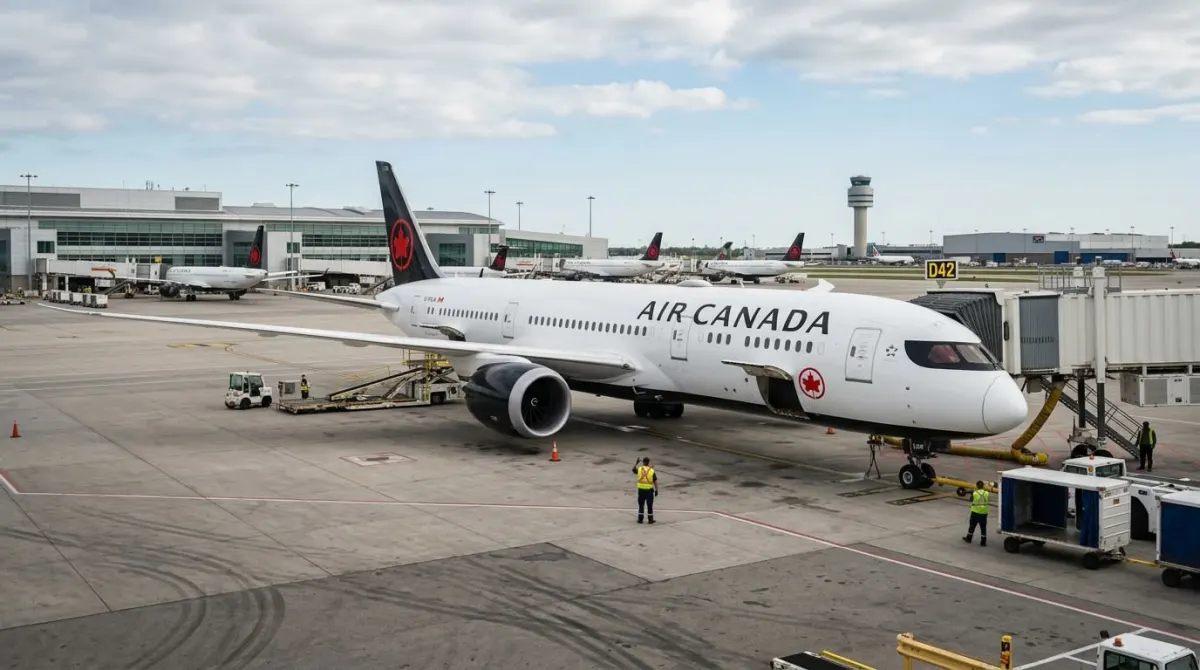
Air Canada secured a four-year tentative agreement with 11,000 IAMAW maintenance and airport employees, ensuring operational stability through 2030.
Key Takeaways
- •Air Canada reached a tentative four-year agreement with 11,000 IAMAW workers.
- •The deal covers the TMOS group, comprising 40% of the airline's workforce.
- •Agreement terms span from April 1, 2026, through March 31, 2030.
- •Ratification by IAMAW membership is expected to occur in July 2026.
Labor Stability for Air Canada
Air Canada has reached a tentative four-year collective agreement with the International Association of Machinists and Aerospace Workers (IAMAW). This deal covers 11,000 employees within the Technical Operations, Maintenance and Operational Support (TMOS) group, securing labor stability for critical maintenance and airport operations groups as the industry navigates a period of heightened labor activity. The agreement, if ratified, will be retroactive to April 1, 2026, and remain in effect until March 31, 2030.
Operational Impact of the TMOS Agreement
This tentative contract is a significant development for the carrier, as the TMOS group represents approximately 40% of Air Canada's roughly 30,000-strong workforce. According to BNN Bloomberg analysis, these employees—ranging from ramp and baggage handlers to maintenance technicians—are essential to the airline's daily functions. John Gradek, a faculty lecturer at McGill University, noted that a strike by this group would have effectively grounded the airline, making the agreement a positive outcome for both the carrier and its passengers during the peak summer travel season.
Context Within Canadian Aviation Labor
This deal marks the sixth collective agreement Air Canada has successfully concluded in 2026, reflecting a broader trend of intensive union negotiations across North American airlines. While Air Canada has successfully navigated these discussions, the broader Canadian aviation landscape remains volatile. For example, in June 2024, a strike by Aircraft Maintenance Engineers at WestJet resulted in hundreds of flight cancellations before binding arbitration was required to reach a resolution. This precedent underscores the severe operational risks that airlines face when technical staff negotiations fail, contrasting with Air Canada’s recent efforts to secure long-term labor peace through multi-year contracts.
Analyzing the Operational Stakes
The TMOS group is the backbone of ground operations and aircraft serviceability. The following table highlights the scale and duration of the agreement compared to typical industry labor cycles.
| Metric | Agreement Detail | Industry Context |
|---|---|---|
| Employees Covered | 11,000 workers | 40% of total staff |
| Agreement Duration | 4 years (2026-2030) | Standard multi-year term |
| Agreement Count | 6th deal in 2026 | High negotiation volume |
Ratification and Next Steps
The tentative agreement is now subject to a formal ratification vote by the IAMAW membership. This process is expected to conclude by the end of July 2026. Once ratified, the terms will govern the wages, benefits, and working conditions for the maintenance and airport support staff through the end of the decade. The agreement remains subject to the provisions of the Canada Labour Code, which governs collective bargaining for federally regulated transportation employers.
Why This Matters for Stakeholders
For passengers, the agreement avoids the threat of significant service disruptions that would have accompanied a labor impasse. For management and investors, the deal provides labor cost visibility and operational predictability through March 2030. This stability allows Air Canada to focus on network reliability and customer service improvements, mitigating the risk of the labor volatility currently affecting other regional competitors.
Frequently Asked Questions
- What is the duration of the new Air Canada agreement with the IAMAW?
- The tentative collective agreement spans a four-year period, beginning retroactively on April 1, 2026, and extending to March 31, 2030.
- How many employees are covered by the Air Canada TMOS agreement?
- The agreement covers 11,000 employees in the Technical Operations, Maintenance and Operational Support group, which represents approximately 40% of Air Canada's total workforce.
For in-depth airline coverage and commercial aviation news, omniflights.com delivers timely industry insights. Track policy changes, airspace rules, and global aviation governance in the Regulatory category at omniflights.com/regulatory.

Written by Hardik Vishwakarma
Co-Founder & Aviation News Editor leading initiatives that improve trust and visibility across the global aviation industry. Covers airlines, airports, safety, and emerging technology.
Visit ProfileYou Might Also Like
Delta TechOps Targets Doubling MRO Revenue
Delta Cuts 2026 Profit Forecast Amid $6B Fuel Cost Surge
Avolon Orders 250 Airbus and Boeing Jets for Fleet Growth

Avolon Orders 250 Boeing and Airbus Jets in Q4 2026 Deal
Southwest Evaluates Boeing 787 for Long-Haul International