Akasa Air Seeks 10.5 Billion Rupees Amid Rising Fuel Costs

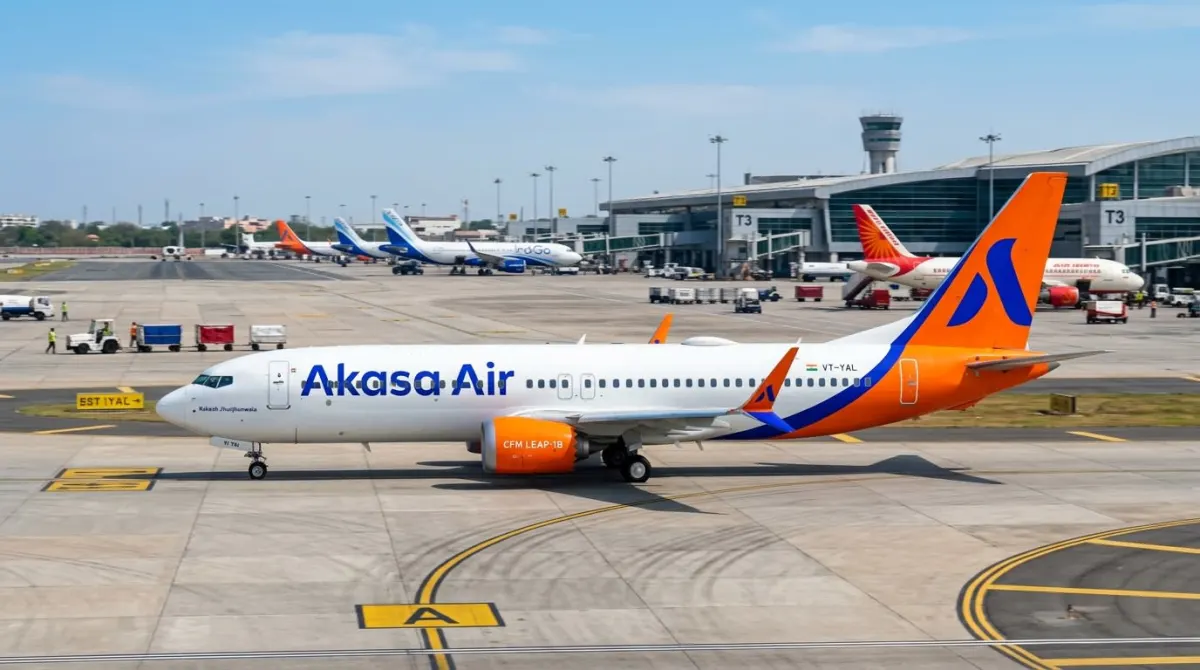
Akasa Air is pursuing 10.5 billion rupees in funding to mitigate operational costs as geopolitical tensions drive up global jet fuel prices.
Key Takeaways
- •Akasa Air seeks 10.5 billion rupees to offset rising fuel costs.
- •ATF costs account for 40% of Indian airline operating expenses.
- •ECLGS 5.0 provides 5,000 crore rupees for airline credit guarantees.
- •Funding round closure is expected by late 2026.
Akasa Air Fundraising Strategy
Akasa Air is reportedly seeking to raise 10.5 billion rupees through a combination of equity and debt to bolster its liquidity. This capital injection is intended to counter financial strains and the escalating impact of rising jet fuel prices caused by geopolitical tensions between the US and Iran. The move highlights the broader pressures currently facing the Indian aviation industry as carriers grapple with increased operational expenses and volatile fuel markets.
The Impact of Regional Geopolitics
Geopolitical instability in West Asia has significantly disrupted global energy markets, leading to high volatility in the cost of Aviation Turbine Fuel (ATF). For Indian carriers, ATF typically accounts for approximately 40% of total operating costs, according to data from IATA’s Jet Fuel Price Monitor. These external shocks have forced airlines to re-evaluate their working capital requirements to sustain growth and maintain operational stability.
Regulatory Support and ECLGS 5.0
The Indian government has responded to these sector-wide pressures by activating the Emergency Credit Line Guarantee Scheme 5.0. This initiative provides up to 90% state-backed guarantee coverage for additional credit extended to the airline sector. The program includes a specific allocation of 5,000 crore rupees dedicated to passenger airlines, part of a broader 2,55,000 crore rupee credit flow authorized by the Union Cabinet of India. While SNV Aviation Private Limited, the parent company of Akasa Air, has not publicly confirmed the specific fundraising figures, a spokesperson stated that the airline looks forward to availing the benefits of the government’s credit line as appropriate to strengthen its expansion plans.
Historical Precedents and Economic Context
The use of state-backed credit to stabilize the airline industry follows a precedent set during the COVID-19 pandemic with the implementation of ECLGS 3.0. In March 2021, that framework provided essential liquidity to carriers, demonstrating a consistent policy approach to mitigating external macro shocks. While these measures provide immediate relief, some financial analysts and aviation economists have argued that continuous reliance on state guarantees risks masking structural inefficiencies within private carriers, potentially delaying necessary market consolidation in the long term.
What Comes Next for Akasa Air
The airline is expected to finalize its 10.5 billion rupee funding round by late 2026. This process involves contributions from existing investors for the equity portion and participation from state-run banks for the debt component under the ECLGS 5.0 framework. The disbursement of these government-backed loans is confirmed to proceed through the National Credit Guarantee Trustee Company Limited between late 2026 and 2027, providing a structured timeline for liquidity support.
Why This Matters for the Indian Aviation Industry
For Akasa Air, successfully securing this funding is critical to maintaining its aggressive fleet expansion strategy despite the challenging macroeconomic environment. The broader implication for the industry is a reliance on state-backed financial safety nets to navigate the volatility caused by the West Asia crisis. As carriers continue to face higher block times and fuel-related margin compression, the effectiveness of the ECLGS 5.0 framework will serve as a key indicator for the financial health of the sector through the end of the year.
Frequently Asked Questions
- What is the primary reason Akasa Air is seeking additional funding?
- Akasa Air is seeking to raise 10.5 billion rupees to counter financial strains and rising jet fuel prices driven by geopolitical tensions between the US and Iran.
- How does the Indian government's ECLGS 5.0 support airlines?
- The Emergency Credit Line Guarantee Scheme 5.0 provides up to 90% state-backed guarantee coverage for additional credit extended to the airline sector to help carriers manage liquidity challenges caused by external macro shocks.
omniflights.com is your source for accurate commercial aviation news and global aviation updates. Discover how innovation is shaping aviation through aircraft systems, avionics, and digital tools at omniflights.com/technology.

Written by Hardik Vishwakarma
Co-Founder & Aviation News Editor leading initiatives that improve trust and visibility across the global aviation industry. Covers airlines, airports, safety, and emerging technology.
Visit ProfileYou Might Also Like

Delta Cuts 2026 Profit Forecast Amid $6B Fuel Cost Surge

Avolon Orders 250 Airbus and Boeing Jets for Fleet Growth

Avolon Orders 250 Boeing and Airbus Jets in Q4 2026 Deal
Southwest Evaluates Boeing 787 for Long-Haul International
Brazil Clears American Airlines' $100M Stake in Azul