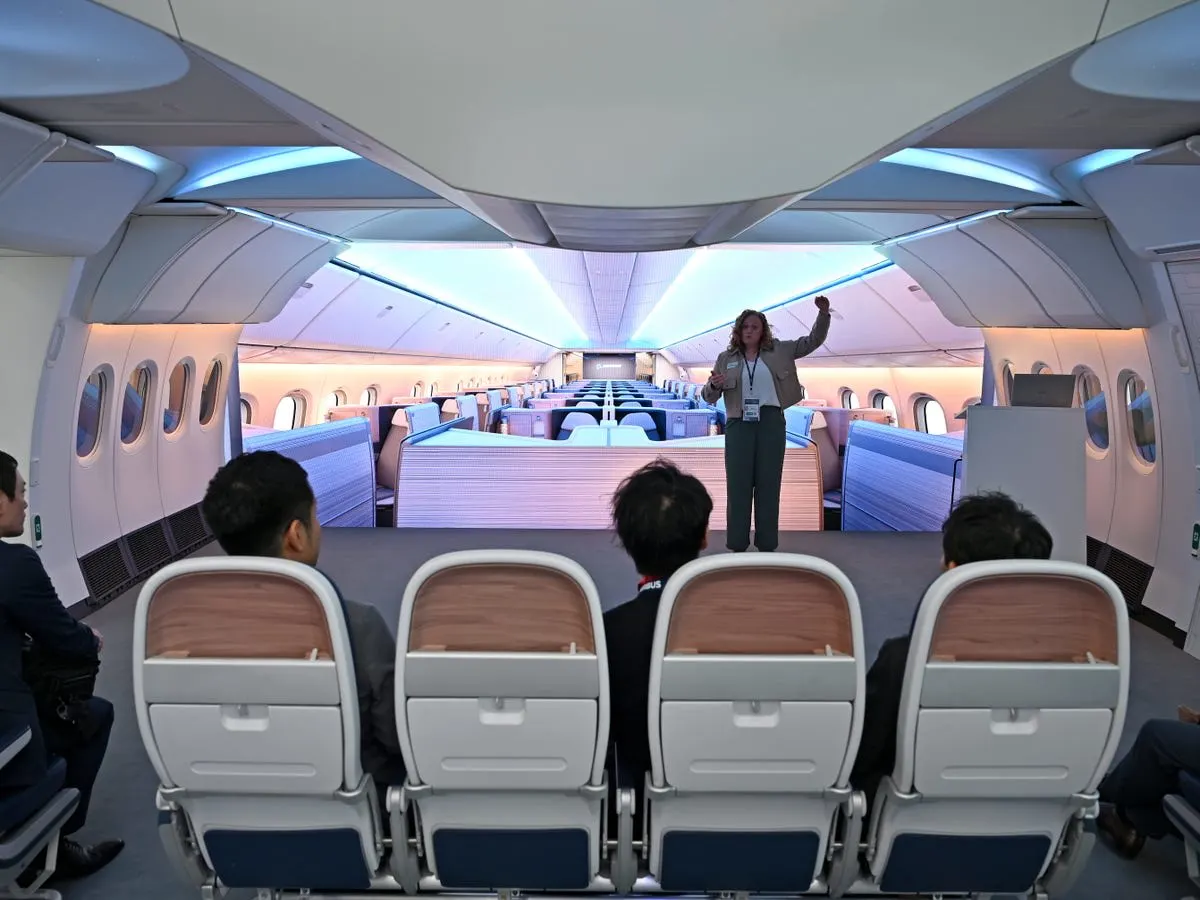
Boeing to Open 737 MAX Everett Production Line in Mid-2026

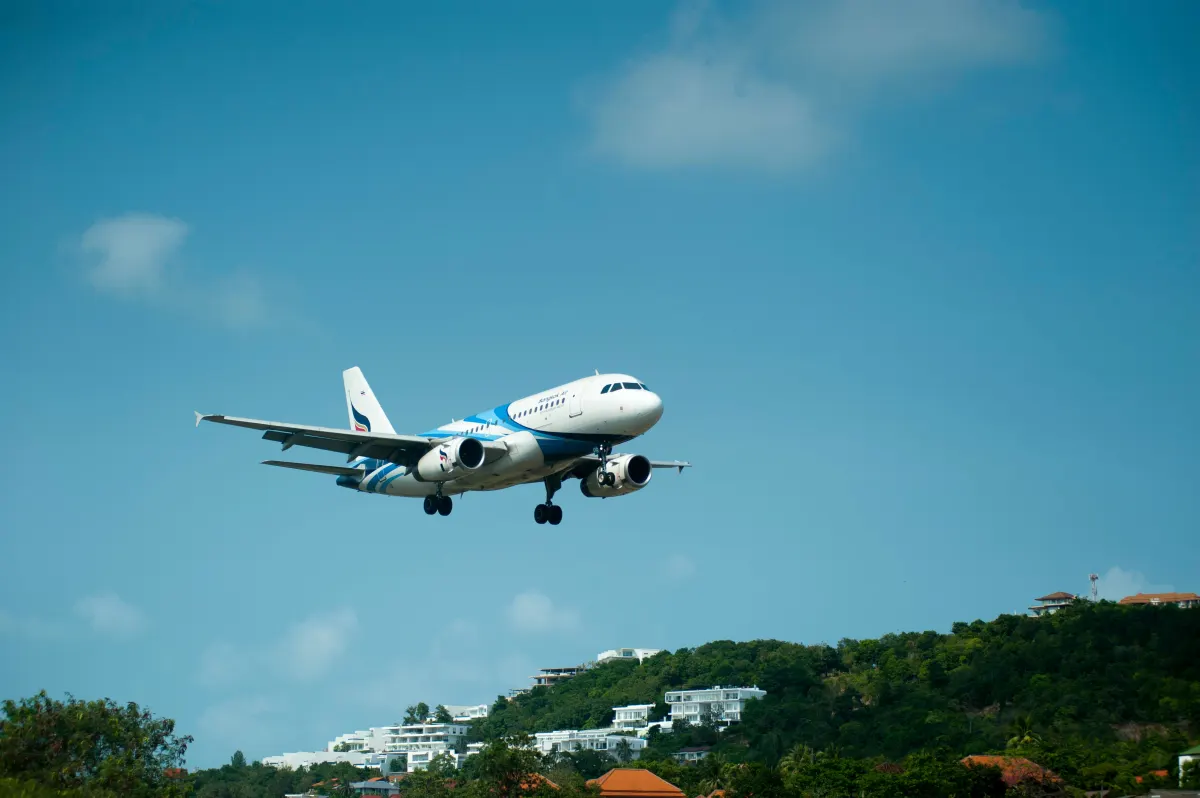
Boeing will establish a fourth 737 MAX production line in Everett by mid-2026, aiming to stabilize production and clear its massive order backlog.
Key Takeaways
- •Establishes a fourth 737 MAX production line in Everett, scheduled to be operational by mid-summer 2026.
- •Targets a production increase from the current 42 aircraft per month to 47 per month by 2027.
- •Aims to stabilize manufacturing and work through a massive order backlog of over 4,700 aircraft.
- •Diversifies 737 MAX assembly beyond the Renton facility for the first time to de-risk production.
Boeing is set to establish a fourth assembly line for its 737 MAX aircraft at its Everett, Washington facility, with operations scheduled to begin in mid-summer 2026. The move marks a significant strategic shift, diversifying production of the narrowbody jet beyond its traditional home in Renton for the first time. This new "North Line" is designed to de-risk the manufacturing process and build capacity to meet intense global demand and an order backlog exceeding 4,700 aircraft.
The decision comes as Boeing works to stabilize its production system under close regulatory scrutiny. The FAA (Federal Aviation Administration) recently raised the manufacturer's production cap from 38 to 42 jets per month in October 2025. With the addition of the Everett line, Boeing aims to increase its output to 47 jets per month by 2027, a critical step in closing the production gap with its primary competitor, Airbus.
Production Strategy and Regulatory Context
The new Everett line will be housed in space previously occupied by the 787 Dreamliner and 747 programs. This strategic co-location leverages existing infrastructure and a skilled workforce. According to Katie Ringgold, Boeing VP and 737 Program General Manager, the approach is proactive. "We're going to start the North Line before we need it," Ringgold stated at the PNAA Advance 2026 conference. "You should always start a big project before you need the output of that project."
Operationally, the new line must demonstrate full conformity under Boeing's existing Production Certificate PC700. This will involve a Low-Rate Initial Production (LRIP) phase to ensure quality and safety standards meet strict FAA requirements. The FAA's oversight remains a key factor in Boeing's ability to ramp up production, with any further increases beyond the current cap of 42 per month contingent on successful safety audits. The official FAA newsroom provides updates on regulatory actions concerning Boeing's production.
Stakeholder and Supply Chain Impact
The expansion into Everett is expected to have a significant positive impact on the regional aerospace economy. Representative Rick Larsen (WA-02) noted the line will "drive our region's aviation and aerospace economy for years to come," referencing the creation of hundreds of new manufacturing jobs. The move also keeps production within the Puget Sound region, a key consideration for the International Association of Machinists and Aerospace Workers (IAM).
For the broader aerospace supply chain, the production increase presents a substantial challenge. Key suppliers, including Spirit AeroSystems, are now required to boost component output by an estimated 15% over the next 18 months to support Boeing's rate targets. Airlines awaiting deliveries view the added capacity as a potential path to reducing delays and receiving aircraft from Boeing's substantial backlog, which stood at 4,774 jets in late 2025.
Historical Precedents and Competitive Landscape
Boeing's decision to diversify 737 assembly mirrors previous strategic moves in the aerospace industry aimed at expanding industrial footprints. In 2011, Boeing opened a second 787 Dreamliner assembly line in North Charleston, South Carolina, a move that eventually led to the consolidation of all 787 production there by 2021. Similarly, Airbus established its A320 final assembly line in Mobile, Alabama, in 2015 to increase its global capacity and meet record backlogs. Both precedents demonstrate a successful strategy of adding new assembly sites to de-risk production and increase output.
Boeing 737 MAX vs Airbus A320neo
| Metric | Boeing 737 MAX | Airbus A320neo |
|---|---|---|
| Target 2027 Production Rate | 47 jets/month | 75 jets/month |
Technical Analysis
The establishment of the Everett North Line represents a fundamental shift in Boeing's narrowbody production philosophy, moving from a highly consolidated model in Renton to a more distributed and resilient one. This development directly addresses the industrial vulnerabilities exposed by recent quality control issues and supply chain disruptions. By activating the line well ahead of the planned rate increase to 47 aircraft per month, Boeing is building in buffer capacity and allowing for a methodical, quality-focused ramp-up under rigorous FAA supervision. The move follows the historical precedent set by both Boeing's 787 program and Airbus's A320 program, where diversifying the manufacturing footprint proved essential for scaling production to unprecedented levels. This strategic investment is critical for Boeing to begin closing the significant production rate gap with the Airbus A320neo family and to service its multi-year backlog more effectively.
What Comes Next
Boeing has outlined a clear timeline for its production ramp-up, subject to regulatory approvals. The key predictive milestones are:
- Mid-summer 2026: The Everett North Line is confirmed by Boeing to begin initial operations.
- Late 2026: Certification for the 737 MAX 10, the largest variant of the family, is expected from the FAA.
- 2027: Boeing expects to reach its production target of 47 aircraft per month, pending FAA approval.
Analysts from firms like AeroDynamic Advisory caution that achieving these targets may face headwinds from persistent supply chain constraints and the continued intensity of FAA oversight.
Why This Matters
For the commercial aviation industry, Boeing's expansion into Everett is a critical indicator of its commitment to stabilizing its industrial base. The success of this fourth line is pivotal for clearing a backlog that stretches for years, ensuring a steady flow of new, fuel-efficient aircraft to airlines worldwide. The move positions Boeing to better compete with Airbus in the lucrative narrowbody market, which remains the cornerstone of global airline fleets. More information on the aircraft family can be found on Boeing's official 737 MAX page.
Frequently Asked Questions
- Why is Boeing opening a new 737 MAX production line in Everett?
- Boeing is opening a fourth 737 MAX line in Everett to diversify production beyond its sole Renton facility, increase manufacturing capacity, and stabilize its industrial system. This move is intended to help clear a backlog of over 4,700 aircraft and meet strong global demand.
- What is the new production rate target for the Boeing 737 MAX?
- While currently capped by the FAA at 42 aircraft per month, Boeing's target is to increase the 737 MAX production rate to 47 aircraft per month by 2027. This increase is contingent on the successful launch of the new Everett line and continued FAA safety approvals.
- Where will the new Boeing 737 MAX line be located within the Everett factory?
- The new assembly line, referred to as the "North Line," will occupy factory space in Everett that was previously used for the production of the Boeing 787 and Boeing 747 aircraft programs.
Stay ahead of the airline industry with commercial aviation news from omniflights.com. Discover how innovation is shaping aviation through aircraft systems, avionics, and digital tools at omniflights.com/technology.

Written by Hardik Vishwakarma
Co-Founder & Aviation News Editor leading initiatives that improve trust and visibility across the global aviation industry. Covers airlines, airports, safety, and emerging technology.
Visit ProfileYou Might Also Like

COMAC C919 Faces Production Delays Amid US Export Curbs

Boeing Awarded $14.7B Contract for PAC-3 Missile Seekers

Boeing 777X Testing Spills Into 2027 Amid Certification Hurdles
Airbus A350F Completes Ground Tests Before Maiden Flight
Airbus Delivers First A320neo From New Tianjin FAL