Boeing Secures 300-Aircraft Deal With China During 2017 Trump Visit

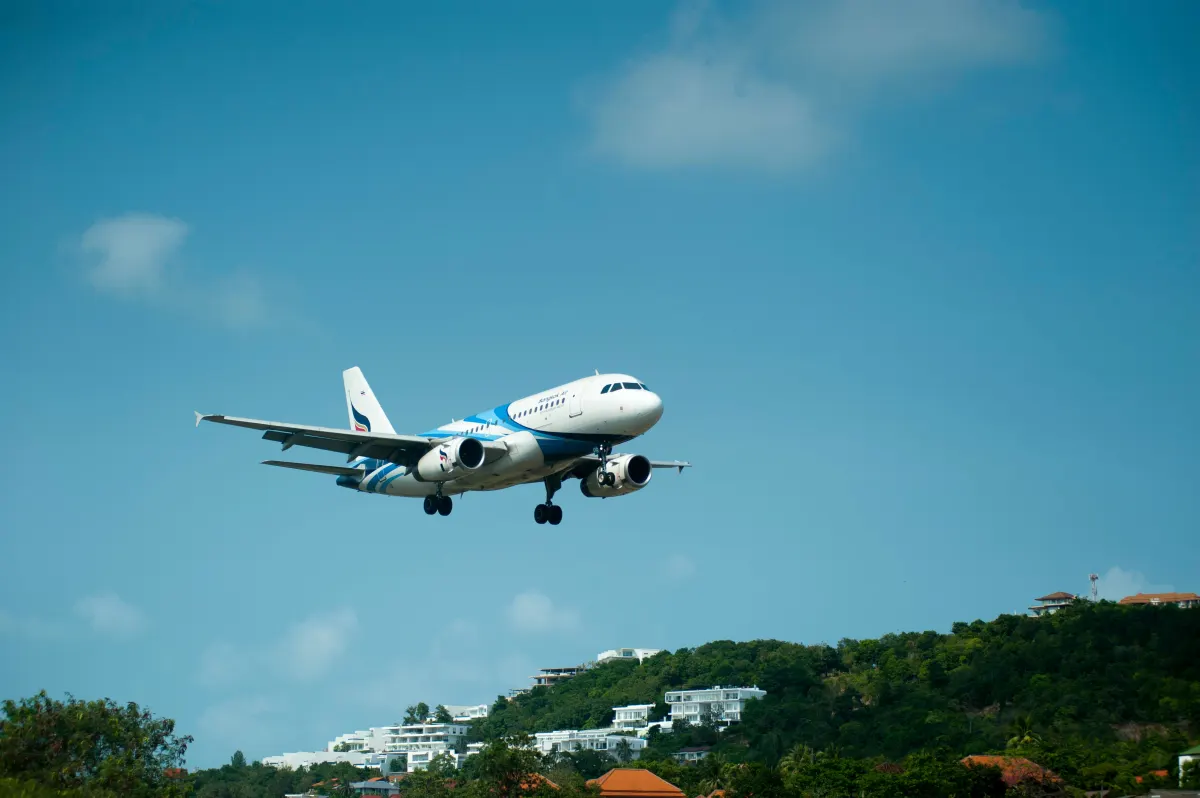
Boeing signed a $37 billion deal for 300 aircraft with China's CASC during a 2017 presidential trade mission, solidifying its market presence.
Key Takeaways
- •Finalized a $37 billion deal for 300 aircraft with China's CASC in November 2017.
- •Order included 260 narrow-body and 40 wide-body jets for various Chinese airlines.
- •Highlighted China's strategic importance, accounting for 26% of Boeing's 2017 deliveries.
- •Demonstrated the use of major aircraft orders in high-level US-China trade diplomacy.
During a presidential trade mission to Beijing in November 2017, Boeing and China's China Aviation Suppliers Holding Company (CASC) finalized a significant agreement for 300 single-aisle and twin-aisle aircraft. The deal, valued at more than $37 billion at list prices, underscored the critical importance of the Chinese market to the American aerospace manufacturer and highlighted the intersection of international trade and high-level diplomacy.
The agreement was announced in the presence of U.S. President Donald Trump and Chinese President Xi Jinping, a common practice for leveraging major commercial transactions to signal strong bilateral trade relations. While initial reports ahead of the summit had speculated on an order for as many as 500 Boeing 737 MAX aircraft plus 100 widebodies, the confirmed deal comprised a different mix. According to a statement from CASC, the order included 260 narrow-body jets and 40 wide-body aircraft. The specific models included variants from the Boeing 737 MAX, Boeing 787 Dreamliner, and Boeing 777X families, destined for various Chinese airline operators.
Details of the Agreement
The central entity facilitating the purchase, the China Aviation Suppliers Holding Company (CASC), is a state-owned enterprise responsible for the centralized procurement of foreign aircraft. This structure allows China to place large, consolidated orders that can then be allocated to its various state-controlled and private airlines based on their individual growth and fleet replacement needs. This approach provides significant negotiating leverage and allows the government to align aircraft acquisitions with national economic and infrastructure goals.
At the time, some industry analysis suggested that the 300-aircraft figure represented an aggregation of new commitments, previously signed letters of intent, and options being exercised. This practice of 'repackaging' orders for a state visit announcement is not uncommon in the aerospace industry, as it provides a powerful political and public relations moment. The official Boeing press release from November 9, 2017, confirmed the 300-plane agreement and its value.
Kevin McAllister, who was then President and CEO of Boeing Commercial Airplanes, commented on the deal's significance. "China is a valued customer and key partner, and we're proud that Boeing airplanes will be a part of its fleet growth for years to come," McAllister stated. "Boeing and China have a strong history of working together based on great mutual respect, and these orders build on that foundation."
Market Context and Geopolitical Significance
The 2017 deal occurred at a time of immense growth in China's aviation sector. Just two months prior, in September 2017, Boeing had released its market forecast projecting a demand for 7,240 new airplanes in China over the subsequent two decades, a market it valued at nearly $1.1 trillion. This made China the single most important export market for Boeing's commercial aircraft.
Boeing's delivery figures from that period confirm this trend. According to company data released in January 2018, Boeing delivered a record 202 aircraft to China in 2017, accounting for 26% of its total global deliveries for the year. This deep commercial interdependence, however, also exposed the company to geopolitical risks. In subsequent years, Boeing would note in official statements that "geopolitical differences continue to constrain US aircraft exports," highlighting the fragile nature of relying on politically sensitive markets.
The timing of the announcement during the Trump-Xi summit was strategically significant. It served as a key deliverable for the U.S. trade mission, aimed at showcasing efforts to reduce the trade deficit with China. For China, it demonstrated a willingness to engage in large-scale purchases of American high-value goods, even as underlying trade tensions were simmering.
Why This Matters
This agreement was a landmark event in US-China aviation relations, representing both the peak of commercial partnership and a clear example of how aerospace sales function as instruments of statecraft. The deal secured a multi-year production pipeline for Boeing and reinforced China's position as an indispensable market for Western aircraft manufacturers. It also served as a barometer for the health of the broader geopolitical relationship, with subsequent trade disputes directly impacting aircraft orders and delivery schedules.
From airline operations to fleet updates, commercial aviation news lives at omniflights.com. Get the latest updates on major hubs, regional terminals, and airport operations via the Airports section at omniflights.com/airports.

Written by Ujjwal Sukhwani
Aviation News Editor & Industry Analyst delivering clear coverage for a worldwide audience. Covers flight operations, safety regulations, and market trends with expert analysis.
Visit ProfileYou Might Also Like

Dubai Aerospace Enterprise Completes United Airlines Lease
RTX Reports Record $340B Backlog and Strong Q3 2026 Growth
Boeing 737 MAX Litigation Nears Resolution in Chicago
Qatar Airways Enters Japanese JOLCO Financing Market
United Nigeria Airlines Plans N20bn Commercial Paper Debt