Boeing Reworks Undelivered 737 MAXs, Slowing Q1 Deliveries

Aviation News Editor & Industry AnalystAviation News Editor & Industry Analyst delivering clear coverage for a worldwide audience.

Boeing is reworking undelivered 737 MAX aircraft due to a wiring defect, slowing first-quarter deliveries but not affecting its annual production target.
Key Takeaways
- •Reworking undelivered 737 MAX jets due to scratched wires from a machining error.
- •Slowing Q1 2026 deliveries but maintaining the full-year target of ~500 aircraft.
- •Delivered 43 737 MAX aircraft in February 2026 amid a production rate of 42 per month.
- •Notified the FAA of the defect, which is not an immediate safety-of-flight issue.
Boeing is performing rework on a number of undelivered Boeing 737 MAX aircraft to correct a wiring defect caused by a machining error. The issue, which involves small scratches on wires, is expected to slow down deliveries in the First Quarter (Q1) 2026 but does not present an immediate safety-of-flight concern for the in-service fleet.
The manufacturing flaw highlights the persistent quality control challenges and intense regulatory scrutiny facing the aerospace industry. While the repair for each aircraft is reported to take only a few days, the cumulative effect will create a bottleneck in the delivery stream. Boeing has formally notified the Federal Aviation Administration (FAA) and its airline customers of the situation. The manufacturer maintains that its full-year delivery target remains achievable despite the near-term disruption.
Production and Delivery Impact
The defect was traced to a machining error during the manufacturing process. Despite this setback, Boeing's production lines continue to operate at a planned rate of 42 737 MAX aircraft per month. The company has affirmed its 2026 delivery goal of approximately 500 737 MAX jets.
This production issue was disclosed alongside the company's monthly delivery report for February 2026, which showed strong performance. According to the Boeing February 2026 Orders and Deliveries Report, the company delivered a total of 51 commercial aircraft during the month, marking its most robust February since 2017. Of these, 43 were 737 MAX models, indicating healthy underlying demand and production momentum prior to the discovery of the wiring issue. As of the end of February 2026, Boeing's total commercial aircraft order backlog stood at a substantial 6,151 aircraft, underscoring the pressure to resolve production issues swiftly to meet customer commitments.
Regulatory and Market Context
In line with regulatory requirements for Manufacturing Defect Notification, Boeing promptly informed the FAA of the scratched wiring. The company's engineering analysis concluded that the defect does not compromise the airworthiness of aircraft already in service, preventing a more disruptive and costly fleet-wide action. This distinction is critical, as it contains the problem to the production line rather than triggering a broader safety directive for operating airlines.
The incident occurs within a market context of strong demand for narrowbody aircraft, which has allowed manufacturers to maintain large order backlogs. However, it also feeds into a larger narrative of persistent manufacturing quality challenges in the aerospace sector. Regulators and customers have placed Boeing's quality assurance processes under a microscope following previous production lapses, and any new issue, however minor, receives significant attention. This environment necessitates a high degree of transparency and a conservative approach to resolving any potential defects before an aircraft is handed over to a customer.
What Comes Next
Boeing's immediate priority is to execute the rework on the affected undelivered jets efficiently to minimize the impact on its delivery schedule for the remainder of the year. The company will likely need to accelerate its handover pace in subsequent quarters to meet its annual target of 500 737 MAX deliveries. No changes to the overall production rate have been announced.
The FAA is expected to maintain its heightened oversight of Boeing's production facilities, ensuring that corrective actions are effective and that quality control systems are robust enough to prevent similar issues from recurring. For airline customers awaiting these specific airframes, the delay will require adjustments to their fleet induction and route-planning schedules for the coming months.
Why This Matters
This development underscores the delicate balance between accelerating production to meet high demand and maintaining stringent quality control in aerospace manufacturing. While not an immediate safety crisis, the wiring rework highlights how even minor production flaws can disrupt the complex and capital-intensive process of aircraft delivery. The incident reinforces the industry-wide focus on supply chain integrity and the operational impact of zero-tolerance quality standards.
Visit omniflights.com for the latest commercial aviation news and airline industry updates. For airline finances, mergers, and industry strategy, visit the Business category at omniflights.com/business.
Written by Ujjwal Sukhwani
Aviation News Editor & Industry Analyst delivering clear coverage for a worldwide audience. Covers flight operations, safety regulations, and market trends with expert analysis.
Visit ProfileYou Might Also Like
Discover more aviation news based on similar topics

Boeing Logs 15 Gross Orders Including 13 787 Dreamliners
Boeing recorded 15 gross orders in August 2026, featuring 13 widebody 787 Dreamliner commitments from undisclosed customers.
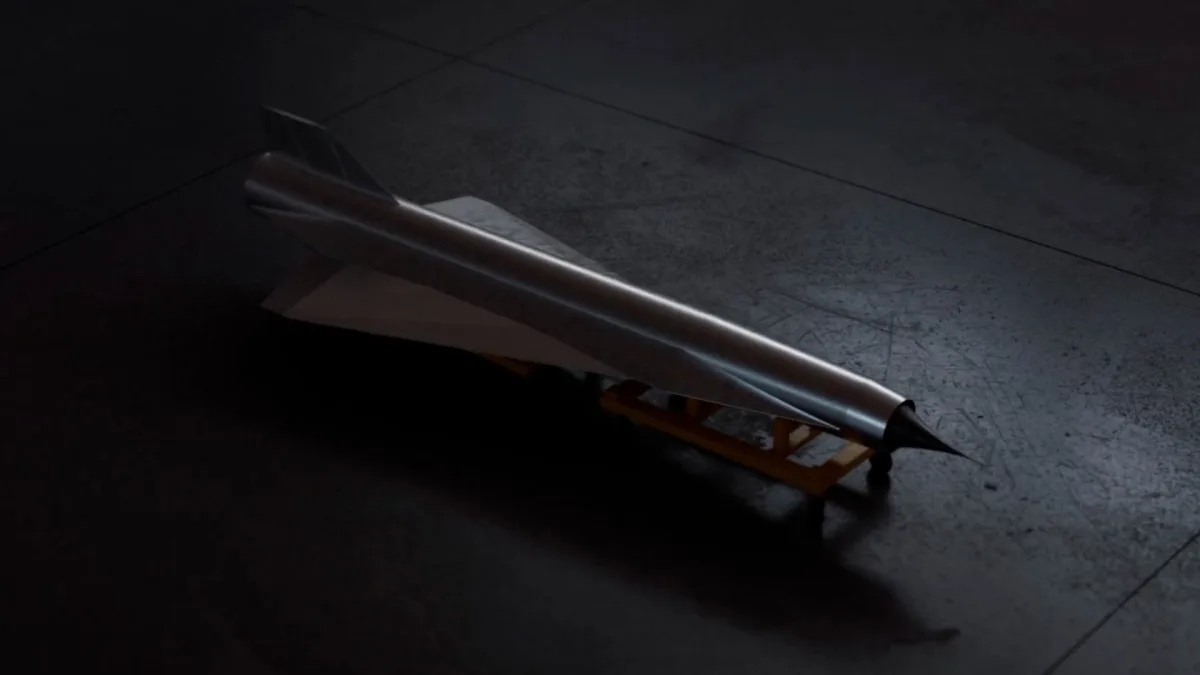
Hermeus Gets FAA Approval for Mach 1+ Drone Test Flights
The FAA authorized Hermeus to conduct six supersonic test flights of its Quarterhorse Mk 2.2 drone at White Sands through August 2027.
Airbus Deliveries Slow to 57, Putting 870 Target at Risk
Airbus delivered 57 aircraft in August 2026, requiring a surge to 99 monthly deliveries to meet its full-year target of 870.

IAI Completes First Flight of A330-300BDSF Cargo Conversion
Israel Aerospace Industries successfully completed the first flight of its A330-300BDSF, an Airbus widebody converted for cargo operations.

Embraer Delivers 2,000th E-Jet to Azul Linhas Aéreas
Embraer reached a major milestone with the delivery of its 2,000th E-Jet, an E195-E2, to Brazilian operator Azul Linhas Aéreas on September 2, 2026.
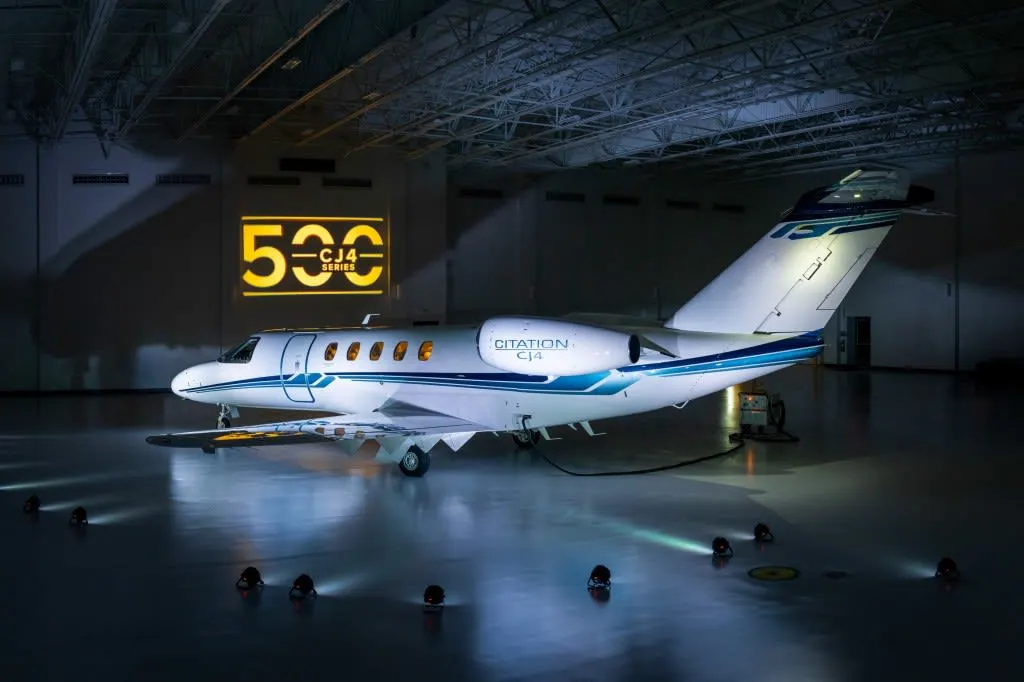
Cessna Citation CJ4 Achieves 500th Delivery
Textron Aviation delivered its 500th Cessna Citation CJ4 business jet to a customer in the Philippines as the manufacturer nears Gen3 certification.