Boeing Pauses Some 737 MAX Deliveries for Wiring Rework

Aviation News Editor & Industry AnalystAviation News Editor & Industry Analyst delivering clear coverage for a worldwide audience.

Boeing is pausing some 737 MAX deliveries to fix a wiring defect, a move expected to slow down its first-quarter 2026 delivery schedule.
Key Takeaways
- •Pauses some 737 MAX deliveries to rework wiring scratches from a machining error.
- •Maintains production rate of 42 aircraft per month with a 2026 target of ~500 deliveries.
- •Affects undelivered aircraft only, with no immediate safety-of-flight issue for the in-service fleet.
- •Follows similar production pauses in 2024, indicating stricter internal quality checks.
Boeing has confirmed a temporary pause on some Boeing 737 MAX deliveries to address a wiring defect discovered during internal quality inspections. The issue, identified as small scratches on wires caused by a machining error, affects only undelivered aircraft and does not pose a flight safety risk to the in-service fleet. This development, however, is expected to delay some handovers scheduled for the first quarter of 2026.
The delivery pause highlights the manufacturer's increasingly stringent internal quality control measures, implemented under heightened regulatory scrutiny. While the disruption affects near-term delivery schedules for airline customers, Boeing has stated that its overall production rate of 42 aircraft per month remains unchanged. The company also reaffirmed its goal to deliver approximately 500 737 MAX aircraft in 2026, suggesting that the current slowdown is expected to be short-lived.
Defect Details and Company Response
Speaking at the ISTAT Americas conference on March 10, 2026, Katie Ringgold, Boeing's 737 program VP and general manager, confirmed the halt. "We paused ticketing and deliveries as we work through this issue," Ringgold stated, emphasizing that the disruption would likely take "several days to resolve, not weeks." An official company statement further clarified the problem involves a wiring defect rework to "fix wires that have small scratches due to a machining error."
Boeing proactively notified the FAA (Federal Aviation Administration) of the finding, in line with Production Quality Oversight regulations. Because the issue was caught before delivery and does not affect operational aircraft, the FAA has not issued an Airworthiness Directive (AD). This internal discovery contrasts with previous issues that required fleet-wide checks or grounding orders.
The immediate impact on stakeholders has been moderate. Airline customers awaiting Q1 deliveries face scheduling uncertainty. For Boeing, the pause introduces unplanned rework costs and a temporary disruption to cash flow, though the impact on annual targets appears minimal. The news prompted a minor stock price drop of nearly 1% as investors weighed the implications of another production snag against the reassurance of improved aviation quality control.
Industry Context and Precedents
This delivery pause is not an isolated incident but part of a broader pattern of production-related disruptions for Boeing as it tightens its quality assurance processes. The situation is highly analogous to a February 2024 event where deliveries of approximately 50 undelivered 737 MAX jets were halted to rework misdrilled holes on window frames. In that case, an internal quality inspection also caught the manufacturing error, forcing a temporary delivery pause.
Another relevant precedent occurred in April 2021, when an electrical grounding issue led to the grounding of dozens of MAX jets and a halt in deliveries. That event, also related to the aircraft's wiring and electrical bonding, required an FAA directive to resolve. The current issue, while concerning, was identified and contained internally, indicating a potentially more effective pre-delivery inspection protocol.
These repeated interruptions in the 737 program, which has a backlog of over 4,800 aircraft, reflect the immense pressure on aerospace manufacturing to balance production speed with exacting safety and quality standards. The long-running delivery pause of the 787 Dreamliner from 2021 to 2022 due to fuselage gap issues serves as a larger-scale reminder of the significant financial and reputational costs of production quality lapses.
Technical Analysis
The recurrence of minor manufacturing defects leading to delivery pauses suggests a fundamental shift in Boeing's production philosophy. Rather than pushing aircraft through the line and addressing issues later, the company is absorbing the short-term pain of delivery delays to ensure quality compliance before handover. This development indicates that heightened FAA oversight and internal pressure are forcing a more conservative, quality-first approach. This event follows the trajectory set by the 2024 misdrilled holes incident, where internal systems caught a non-safety-critical but important defect. It contrasts sharply with earlier precedents where issues were discovered post-delivery, suggesting that the system of checks is working, albeit with friction that impacts production flow and delivery cadence. The challenge for Boeing remains integrating these rigorous checks without creating persistent bottlenecks that undermine its aircraft production rates and delivery commitments.
What Comes Next
Boeing officials have signaled that the rework is a short-term issue. The resumption of paused 737 MAX deliveries is expected by mid-to-late March 2026. The full impact of the delay on the manufacturer's performance will become clearer when Boeing releases its official Q1 2026 delivery report, which is a confirmed milestone for April 2026. Airline customers affected by the pause will likely see revised delivery schedules in the coming weeks. The company's ability to quickly resolve the machining error scratches and ramp back up to its planned delivery schedule will be a key indicator of its production line's resilience.
Why This Matters
This incident underscores the intense scrutiny on Boeing's manufacturing processes and the operational friction created by a zero-tolerance approach to quality defects. For airlines, it introduces an element of unpredictability into near-term fleet expansion plans. For the broader aerospace industry, it serves as a case study in the difficult balance between accelerating production to meet historic demand and maintaining the stringent quality controls mandated by regulators and the public.
Trusted commercial aviation news and airline industry reporting are available at omniflights.com. For reporting on UAP sightings, investigations, and aviation-related encounters, see the UAPs section at omniflights.com/uaps.
Written by Ujjwal Sukhwani
Aviation News Editor & Industry Analyst delivering clear coverage for a worldwide audience. Covers flight operations, safety regulations, and market trends with expert analysis.
Visit ProfileYou Might Also Like
Discover more aviation news based on similar topics

Boeing Logs 15 Gross Orders Including 13 787 Dreamliners
Boeing recorded 15 gross orders in August 2026, featuring 13 widebody 787 Dreamliner commitments from undisclosed customers.
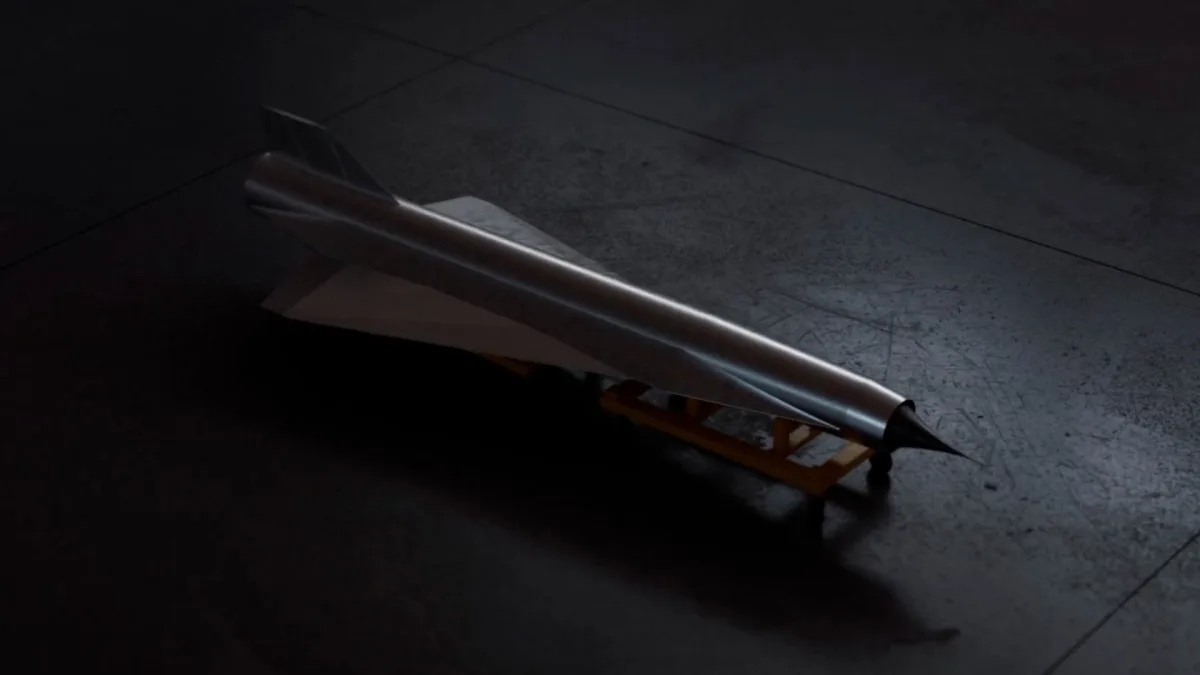
Hermeus Gets FAA Approval for Mach 1+ Drone Test Flights
The FAA authorized Hermeus to conduct six supersonic test flights of its Quarterhorse Mk 2.2 drone at White Sands through August 2027.
Airbus Deliveries Slow to 57, Putting 870 Target at Risk
Airbus delivered 57 aircraft in August 2026, requiring a surge to 99 monthly deliveries to meet its full-year target of 870.

IAI Completes First Flight of A330-300BDSF Cargo Conversion
Israel Aerospace Industries successfully completed the first flight of its A330-300BDSF, an Airbus widebody converted for cargo operations.

Embraer Delivers 2,000th E-Jet to Azul Linhas Aéreas
Embraer reached a major milestone with the delivery of its 2,000th E-Jet, an E195-E2, to Brazilian operator Azul Linhas Aéreas on September 2, 2026.
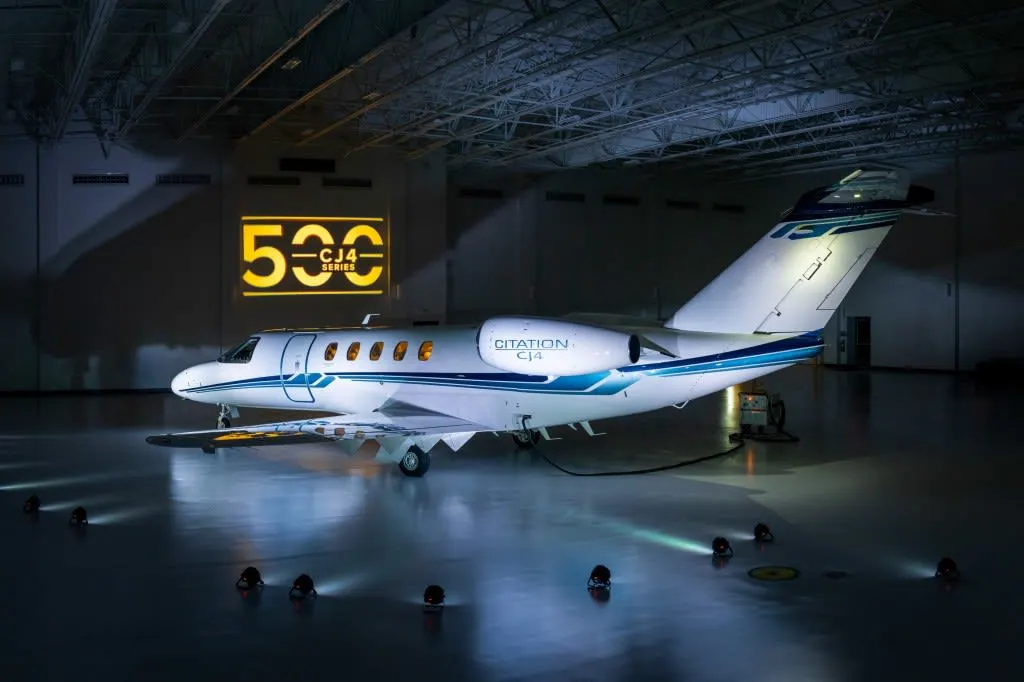
Cessna Citation CJ4 Achieves 500th Delivery
Textron Aviation delivered its 500th Cessna Citation CJ4 business jet to a customer in the Philippines as the manufacturer nears Gen3 certification.