Boeing Pauses 737 MAX Deliveries to Repair Damaged Wiring

Aviation News Editor & Industry AnalystAviation News Editor & Industry Analyst delivering clear coverage for a worldwide audience.

Boeing has paused 737 MAX deliveries to repair damaged wiring on up to 25 aircraft, causing short-term disruptions for airlines awaiting new jets.
Key Takeaways
- •Repairs underway on up to 25 undelivered 737 MAX jets for damaged wiring.
- •Slowed March deliveries to just 3 aircraft as of March 13, down from 43 in all of February.
- •Maintains full-year delivery target of approximately 500 jets despite the short-term pause.
- •Follows a pattern of recent delivery halts for quality control issues under intense FAA scrutiny.
Boeing is addressing a new manufacturing quality issue, performing rework on damaged wiring in as many as 25 undelivered 737 MAX aircraft. The flaw, described as minor scratches on wire insulation from a machining error, has forced a temporary halt in deliveries, significantly impacting the manufacturer's output in early March 2026.
The disruption underscores the intense regulatory and market scrutiny on Boeing's production standards. While the company maintains its full-year delivery targets, the pause introduces immediate volatility for airline customers awaiting new single-aisle aircraft, affecting fleet and capacity planning. The issue was disclosed around March 10, 2026, and represents the latest in a series of quality-related production pauses for the 737 MAX program.
Details of the Wiring Defect
According to a Boeing spokeswoman, the problem involves "small scratches due to a machining error" on wiring insulation. In a statement, the company confirmed, "Our 737 program is performing rework on a group of airplanes to fix wires that have small scratches... This ensures they meet our quality standards before the airplanes are delivered." The manufacturer has informed the Federal Aviation Administration (FAA) of the issue and the corresponding corrective actions.
Katie Ringgold, Vice President and General Manager of the 737 Program, stated that the disruption is expected to be short-lived. "We paused ticketing and deliveries as we work through this issue," she said. "It will take several days to resolve, not weeks." The rework is being conducted on aircraft in the final stages of production and pre-delivery inspection.
Production and Delivery Impact
The immediate effect on Boeing's delivery schedule has been stark. According to data from Cirium Aviation Analytics, Boeing delivered only 3 737 MAX jets in the first half of March 2026. This is a sharp decline from the 43 MAX aircraft delivered in February 2026, as reported in Boeing's official monthly data.
Despite the short-term slowdown, Boeing has reaffirmed its production and delivery guidance for the year. The company's official statements confirm it maintains a full-year 2026 delivery target of approximately 500 737-family jets and a production rate of 42 aircraft per month. The impact of the delivery pause is expected to be concentrated in the first quarter, with the company aiming to catch up on deliveries later in the year.
The halt directly affects airlines expecting new aircraft to support spring and summer schedules. The resulting delivery volatility forces carriers to adjust near-term capacity plans and may require extending leases on older aircraft or redeploying existing assets.
Regulatory and Historical Context
This wiring issue arises amid heightened FAA oversight of Boeing's manufacturing processes. It follows a separate Emergency Airworthiness Directive (AD) issued by the FAA on February 24, 2026, which required airlines to address a ground wire fault in the 737 MAX environmental control system. The confluence of these electrical system issues highlights a focus area for regulators.
This event is also consistent with a recent pattern of Boeing proactively halting deliveries to address specific manufacturing non-conformities. In August 2023, the company paused deliveries to fix improperly drilled fastener holes on the aft pressure bulkhead supplied by Spirit AeroSystems. A more analogous event occurred in April 2021, when an electrical grounding issue in the cockpit led Boeing to halt deliveries and prompted airlines to ground over 100 in-service MAX jets for rework. That incident, like the current one, involved a minor production defect that required targeted repairs.
Technical Analysis
The recurring pattern of delivery pauses for issues ranging from fuselage holes to wiring scratches indicates a fundamental shift in Boeing's quality control philosophy, likely driven by intense regulatory pressure. The company is adopting a zero-tolerance approach, choosing to absorb the short-term financial and logistical pain of halting the production line rather than delivering an aircraft with a known, albeit minor, non-conformity. While this approach is intended to restore confidence in the long run, it creates significant near-term uncertainty for airline customers. For analysts and critics, these repeated findings are not isolated incidents but symptomatic of deeper systemic challenges in managing quality across a complex global supply chain. The volatility in deliveries directly impacts airline revenue models, which are built on precise capacity projections, and complicates fleet renewal schedules.
What Comes Next
Boeing has stated its intention to resolve the issue and resume normal deliveries within days, not weeks. The company expects the normal delivery pace to resume by late March 2026. The full financial and operational impact of the pause will become clearer when Boeing releases its Q1 2026 earnings and delivery report, which is confirmed for April 2026. This report will be closely watched by investors and customers to see if the company can recover the delayed deliveries and maintain its annual guidance.
Why This Matters
For Boeing, this incident is another challenge to its efforts to stabilize production and restore its reputation for manufacturing excellence. For airlines, it serves as a critical reminder of the operational risks tied to production schedules and the need for contingency planning. The event reinforces that the era of intense scrutiny over aerospace manufacturing quality is ongoing, with regulators and the market holding manufacturers to an exacting standard before aircraft acceptance.
Get breaking commercial aviation news and expert airline analysis at omniflights.com. Follow aviation sustainability efforts, emissions research, and green initiatives in the Environmental section at omniflights.com/environmental.
Written by Ujjwal Sukhwani
Aviation News Editor & Industry Analyst delivering clear coverage for a worldwide audience. Covers flight operations, safety regulations, and market trends with expert analysis.
Visit ProfileYou Might Also Like
Discover more aviation news based on similar topics

Boeing Logs 15 Gross Orders Including 13 787 Dreamliners
Boeing recorded 15 gross orders in August 2026, featuring 13 widebody 787 Dreamliner commitments from undisclosed customers.
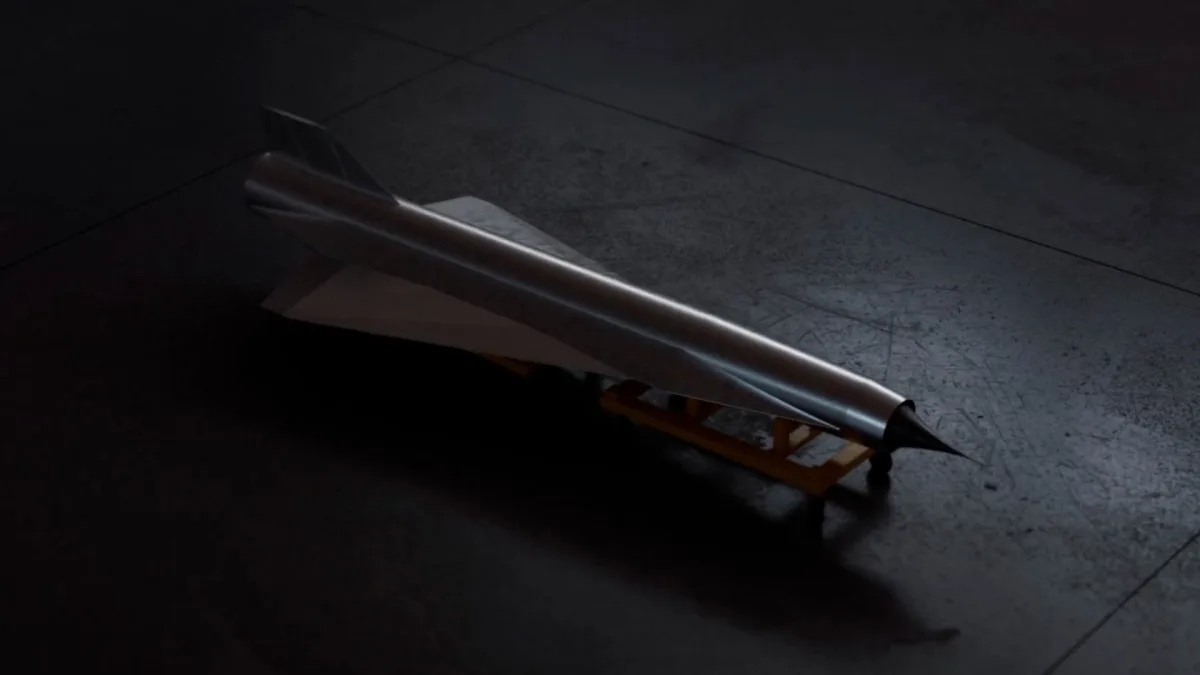
Hermeus Gets FAA Approval for Mach 1+ Drone Test Flights
The FAA authorized Hermeus to conduct six supersonic test flights of its Quarterhorse Mk 2.2 drone at White Sands through August 2027.
Airbus Deliveries Slow to 57, Putting 870 Target at Risk
Airbus delivered 57 aircraft in August 2026, requiring a surge to 99 monthly deliveries to meet its full-year target of 870.

IAI Completes First Flight of A330-300BDSF Cargo Conversion
Israel Aerospace Industries successfully completed the first flight of its A330-300BDSF, an Airbus widebody converted for cargo operations.

Embraer Delivers 2,000th E-Jet to Azul Linhas Aéreas
Embraer reached a major milestone with the delivery of its 2,000th E-Jet, an E195-E2, to Brazilian operator Azul Linhas Aéreas on September 2, 2026.
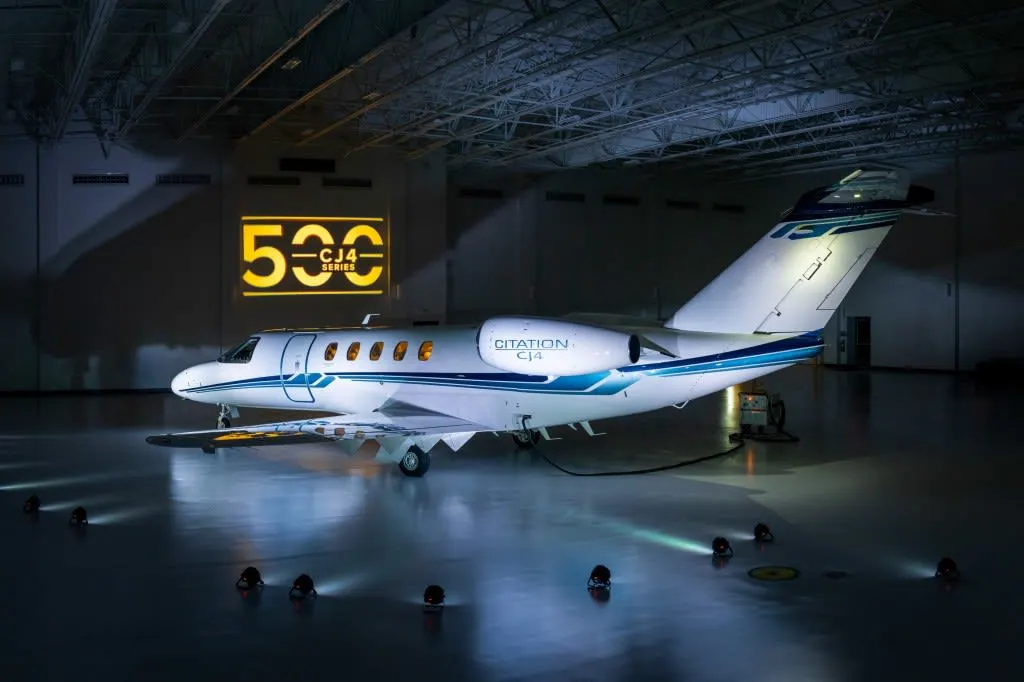
Cessna Citation CJ4 Achieves 500th Delivery
Textron Aviation delivered its 500th Cessna Citation CJ4 business jet to a customer in the Philippines as the manufacturer nears Gen3 certification.