Boeing Opens Fourth 737 MAX Line for MAX 10 Certification Push

Co-Founder & CEOAviation News Editor delivering trusted coverage across the global aviation industry.
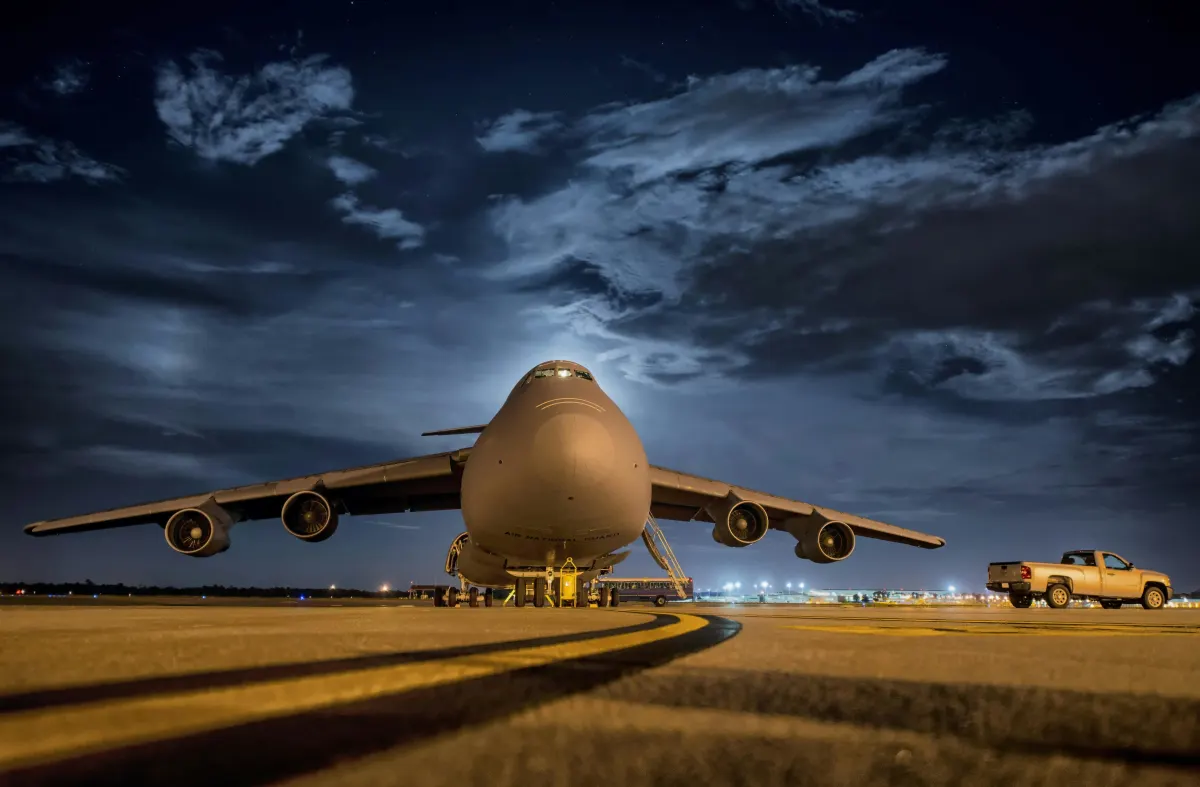
Boeing is opening a fourth 737 MAX assembly line in Everett to support the 737 MAX 10's certification, now expected in late 2026.
Key Takeaways
- •Targets late 2026 for 737 MAX 10 FAA certification and spring 2027 for first delivery.
- •Opens a fourth 737 MAX assembly line in Everett to handle an order backlog of over 1,400 aircraft.
- •Operates under an FAA production cap of 42 aircraft per month, with a target to increase to 47.
- •Competes directly with the Airbus A321neo, offering a maximum seating capacity of 230 passengers.
Boeing is moving forward with plans for a fourth Boeing 737 MAX assembly line at its Everett facility to manage a substantial order backlog for the 737 MAX 10, the largest variant in its narrowbody family. The company is targeting certification for the aircraft in the second half of 2026, a delay driven by heightened regulatory scrutiny and redesigns of the engine anti-ice system. The new production line is a critical component of Boeing's strategy to ramp up delivery rates while navigating a strict production cap imposed by the Federal Aviation Administration (FAA).
The strategic expansion into Everett addresses both production constraints and long-term market positioning. With an order book for the MAX 10 exceeding 1,400 firm orders, the additional manufacturing capacity is essential to meet commitments to key customers. This move follows Boeing's consolidation of 787 Dreamliner production to South Carolina in 2021, which freed up factory space. The decision to establish the MAX line in Everett signals a major investment in the 737 program's future as it competes directly with the popular Airbus A321neo in the high-density narrowbody aircraft market.
Production Strategy and Regulatory Oversight
The activation of the new Everett line, known as the North Line, is central to Boeing's plan to increase its overall 737 MAX production rate. The FAA currently has a production cap in place, recently increased to 42 aircraft per month, which was implemented following a January 2024 door plug incident to ensure the manufacturer addresses quality control deficiencies. Boeing's stated goal is to eventually increase this rate to 47 aircraft per month, a target that hinges on demonstrating sustained quality and stability to the regulator.
The decision to expand is supported by strong, long-term demand. Major lessors like Aviation Capital Group (ACG) have shown confidence in the program, recently expanding its order book with 50 additional MAX delivery slots, including 25 MAX 10s, for deliveries scheduled between 2026 and 2033. This backlog places significant pressure on Boeing's manufacturing capabilities, making the fourth line a necessity for fulfilling its contractual obligations.
Certification Timeline and Challenges
The certification timeline for the 737 MAX 10 has been extended due to rigorous FAA oversight. In early 2026, the FAA advanced the program to the second phase of Type Inspection Authorization (TIA), which allows for formal flight testing of avionics and propulsion systems. A key focus of this phase is the evaluation of a redesigned engine anti-ice system, a modification required by regulators. During a recent earnings call, Boeing CEO Kelly Ortberg acknowledged the complexity of the process, stating, "work on the solution is taking longer than expected, and we now are expecting certification in 2026."
Airline customers are closely monitoring the timeline. Ryanair CEO Michael O'Leary noted that Boeing has guaranteed delivery of its MAX 10 aircraft by spring 2027, indicating industry confidence that FAA certification will be secured in the latter half of 2026. The aircraft is powered exclusively by CFM LEAP-1B engines, and the certification process also involves counterparts like the European Union Aviation Safety Agency (EASA) for European operators.
Stakeholder and Market Impact
The revised timeline has a direct impact on major customers. Airlines such as United Airlines and Ryanair, which have large MAX 10 orders, face delays in their fleet modernization and capacity growth plans. Conversely, the expansion in Everett is a positive development for the local workforce, creating manufacturing jobs and revitalizing the plant after the 787 line's departure. For suppliers like CFM International, Boeing's production ramp-up translates to increased demand for its LEAP-1B powerplants.
The 737 MAX 10 is Boeing's direct answer to the Airbus A321neo, which has dominated the middle-of-the-market segment. While some industry analysts view the MAX 10 as an over-stretched derivative of an older airframe lacking the range of its competitor, its economics on medium-haul, high-density routes remain compelling for many carriers.
Boeing 737 MAX 10 vs. Airbus A321neo
| Metric | Boeing 737 MAX 10 | Airbus A321neo |
|---|---|---|
| Maximum Seating | 230 | 244 |
| Maximum Range | 3,100 nm | 3,500 nm |
| Length | 43.8 m | 44.5 m |
Historical Context
The intense scrutiny applied to the MAX 10's certification is a direct consequence of the global 737 MAX grounding from 2019 to 2020. That event fundamentally reshaped the FAA's oversight processes, leading to more exhaustive and prolonged evaluations for new aircraft types and derivatives. The MAX 10 program operates entirely within this new, more stringent regulatory framework.
Boeing's manufacturing strategy also reflects past decisions. In 2020-2021, the consolidation of 787 Dreamliner production in South Carolina was an efficiency measure that left prime manufacturing space vacant in Everett. The current situation repurposes that space, demonstrating a strategic optimization of Boeing's existing footprint to meet new market demands—a pattern that contrasts with the earlier focus on consolidation.
What Comes Next
Boeing and the FAA are working through the TIA process, with several key milestones on the horizon. Based on current schedules, the key predictive milestones are:
- FAA Certification: The 737 MAX 10 is expected to receive its type certificate from the FAA in late 2026.
- First Commercial Delivery: The first aircraft is expected to enter commercial service with its launch customer in the spring of 2027.
- Production Rate Increase: A production rate increase to 47 aircraft per month has been reported as likely to occur in late 2026, though the FAA has not confirmed a date and any increase is contingent on Boeing meeting quality assurance milestones.
Why This Matters
Boeing's ability to successfully certify the 737 MAX 10 and ramp up production is fundamental to its competitive position against Airbus in the single-aisle market. The program's execution will serve as a critical test of the company's revamped quality control and safety management systems under intense regulatory supervision. For airlines, the timely arrival of the MAX 10 is essential for executing fleet strategies centered on maximizing efficiency and capacity on key routes.
Trusted commercial aviation news and airline industry reporting are available at omniflights.com. Get the latest updates on major hubs, regional terminals, and airport operations via the Airports section at omniflights.com/airports.
Written by Hardik Vishwakarma
Co-Founder & Aviation News Editor leading initiatives that improve trust and visibility across the global aviation industry. Covers airlines, airports, safety, and emerging technology.
Visit ProfileYou Might Also Like
Discover more aviation news based on similar topics
Boeing Awarded $562M Contract for MQ-25 Stingray Production
The U.S. Navy awarded Boeing a $562 million contract for the first three MQ-25 Stingray unmanned aerial refueling tankers, with deliveries expected in...

Boeing Logs 15 Gross Orders Including 13 787 Dreamliners
Boeing recorded 15 gross orders in August 2026, featuring 13 widebody 787 Dreamliner commitments from undisclosed customers.
Hermeus Gets FAA Approval for Mach 1+ Drone Test Flights
The FAA authorized Hermeus to conduct six supersonic test flights of its Quarterhorse Mk 2.2 drone at White Sands through August 2027.
Airbus Deliveries Slow to 57, Putting 870 Target at Risk
Airbus delivered 57 aircraft in August 2026, requiring a surge to 99 monthly deliveries to meet its full-year target of 870.
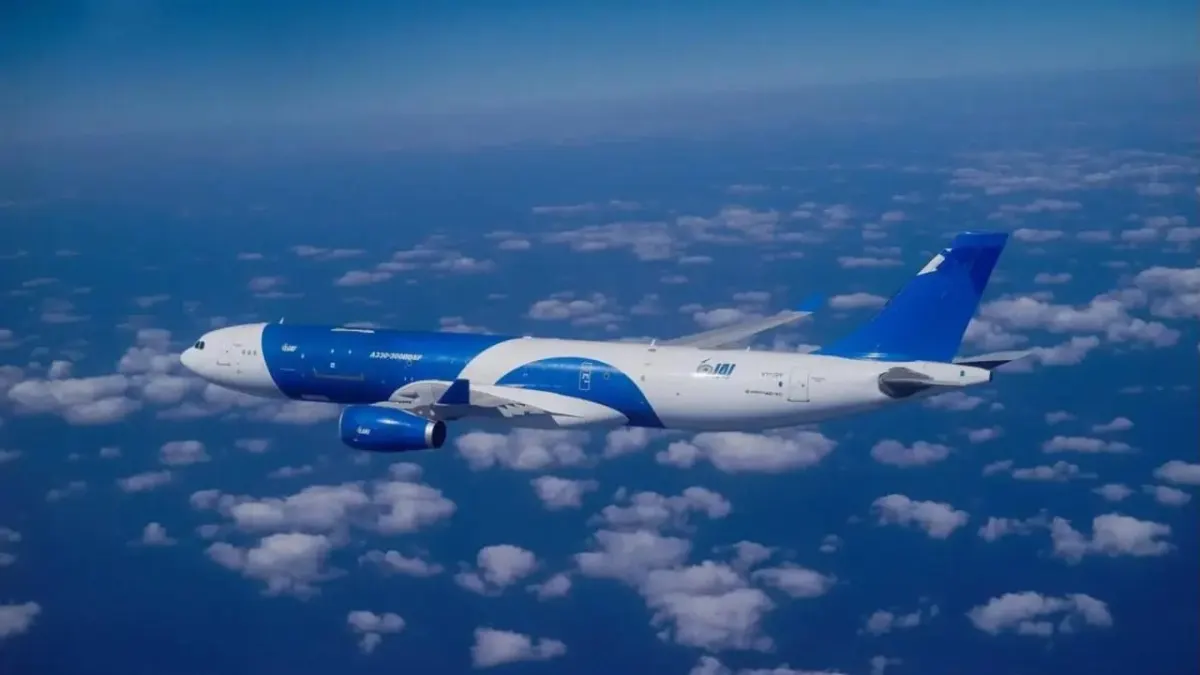
IAI Completes First Flight of A330-300BDSF Cargo Conversion
Israel Aerospace Industries successfully completed the first flight of its A330-300BDSF, an Airbus widebody converted for cargo operations.

Embraer Delivers 2,000th E-Jet to Azul Linhas Aéreas
Embraer reached a major milestone with the delivery of its 2,000th E-Jet, an E195-E2, to Brazilian operator Azul Linhas Aéreas on September 2, 2026.