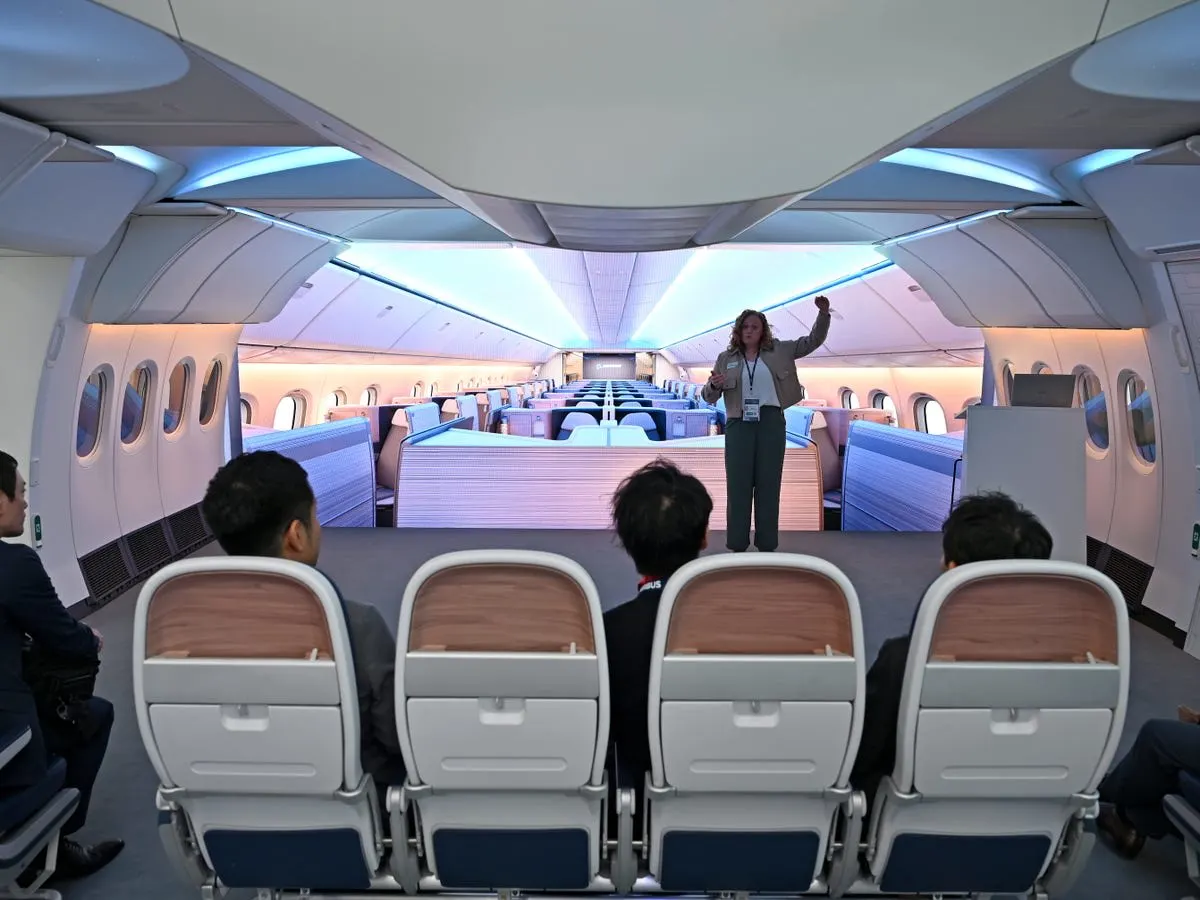
Boeing Opens Everett North Line for 737 MAX Production

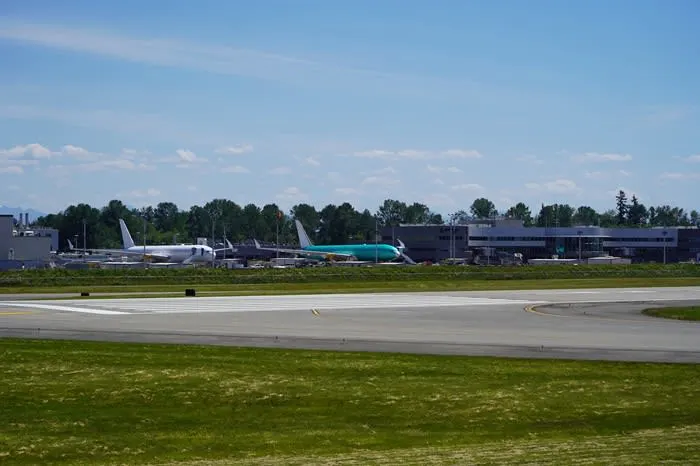
Boeing has launched its new Everett-based North Line to boost 737 MAX production capacity and reach a target of 52 aircraft per month by early 2027.
Key Takeaways
- •Boeing launched the Everett North Line to increase 737 MAX production.
- •Target production rate is 52 aircraft per month by early 2027.
- •The new line utilizes space vacated by the 787 assembly program.
- •Boeing holds a backlog of over 4,300 unfilled 737 MAX orders.
Expanding the Manufacturing Footprint
Boeing has officially opened its new Everett-based North Line final assembly line for the 737 MAX, marking a significant shift in the company's narrowbody manufacturing strategy. For the first time in the program's history, the 737 is being assembled outside of the traditional Renton plant. This Boeing 737 MAX North Line represents a core component of the company’s effort to stabilize production and return to a rate of 52 aircraft monthly by early 2027.
Following the January 2024 Alaska Airlines door plug incident, the Federal Aviation Administration (FAA) imposed a strict production cap of 38 narrowbody jets per month. This regulatory constraint forced a re-evaluation of Boeing’s quality management systems. The company recently secured authorization to increase production from 42 to 47 aircraft per month, with the new Everett facility serving as the primary engine for further growth. Boeing currently manages a backlog of over 4,300 unfilled orders for the 737 MAX, underscoring the urgency of this output expansion.
Stakeholder Impact and Supply Chain Resilience
The activation of the Everett FAL (Final Assembly Line) has significant implications for the workforce and the broader supply chain. Hundreds of new manufacturing positions have been created, while existing widebody personnel underwent retraining to manage narrowbody assembly processes. For Spirit AeroSystems and other Tier-1 suppliers, the ramp-up from 47 to 52 aircraft per month will provide a rigorous test of supply chain resilience. While airline customers awaiting delayed deliveries may benefit from the added capacity, some safety advocates and labor unions have expressed concern that accelerating output could risk repeating the quality control lapses observed in early 2024.
Boeing 737 MAX Production Ramp-Up
| Metric | Current Status | Target (Early 2027) |
|---|---|---|
| Monthly Production Rate | 47 aircraft | 52 aircraft |
| Assembly Locations | Renton, Everett | Renton, Everett |
| FAA Oversight Model | Performance-Based | Performance-Based |
The Strategic Shift to Everett
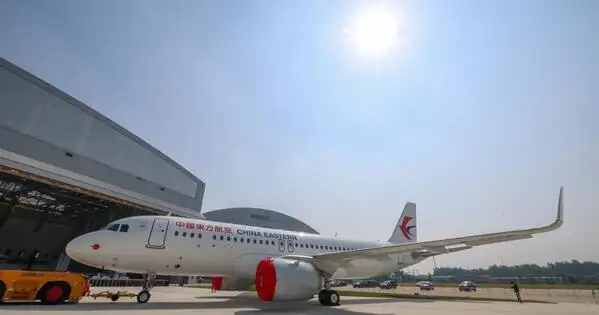
The utilization of the Everett facility follows a historical precedent set by the 787 Dreamliner production consolidation in 2021. When Boeing shifted 787 assembly to North Charleston, the massive factory floor space in Everett became available for repurposing. By moving the 737 into this space, Boeing is mirroring the strategy used by Airbus, which successfully opened multiple FALs in Mobile and Tianjin to support historically high production rates for the A320neo family. This diversification of the manufacturing footprint is intended to mitigate site-specific risks and meet the global demand for narrowbody aircraft, which currently represent 80% of all commercial orders.
Timeline for Production Targets
Boeing is currently employing a Low-Rate Initial Production (LRIP) phase on the North Line to validate manufacturing processes before moving to full-scale integration. The company expects to reach the target rate of 52 aircraft per month by early 2027. This timeline remains contingent on the company’s ability to maintain stable quality metrics under the FAA’s performance-based oversight model. Additionally, the industry is tracking the certification of the 737 MAX 10, which is expected to occur between late 2026 and 2027.
Why This Matters for the Industry
The success of the North Line is essential for Boeing's financial recovery and its ability to clear a massive order backlog. As narrowbodies serve as the workhorses of the global airline industry, the stability of this production ramp-up will influence delivery schedules for years to come. For the broader aerospace sector, this development signals a shift toward more flexible, multi-site assembly models designed to withstand supply chain volatility and regulatory scrutiny.
Frequently Asked Questions
- What is the primary purpose of the new 737 MAX North Line in Everett?
- The North Line is a new final assembly line designed to increase Boeing's 737 MAX production capacity to 52 aircraft per month by early 2027, helping the company address a backlog of over 4,300 orders.
- How does the FAA regulate Boeing's current 737 MAX production?
- Following the January 2024 Alaska Airlines incident, the FAA shifted to a performance-based oversight model. This allows Boeing to incrementally raise production rates from the previous 38-jet cap to 47 and eventually 52 aircraft per month, provided quality metrics remain stable.
Visit omniflights.com for the latest commercial aviation news and airline industry updates. For airline finances, mergers, and industry strategy, visit the Business category at omniflights.com/business.

Written by Shashank Shukla
Co-Founder & CTO leading the engineering and AI systems behind Omni Flights. Covers aviation technology, flight safety, aircraft manufacturing, and emerging aerospace developments.
Visit ProfileYou Might Also Like

COMAC C919 Faces Production Delays Amid US Export Curbs
Boeing Awarded $14.7B Contract for PAC-3 Missile Seekers

Boeing 777X Testing Spills Into 2027 Amid Certification Hurdles
Airbus A350F Completes Ground Tests Before Maiden Flight
Airbus Delivers First A320neo From New Tianjin FAL