Boeing Delays Some 737 MAX Deliveries Over Wiring Defect

Co-Founder & CEOAviation News Editor delivering trusted coverage across the global aviation industry.

Boeing is slowing some 737 MAX deliveries after discovering scratched wiring, a manufacturing defect that requires inspection and rework on undelivered jets.
Key Takeaways
- •Delays some 737 MAX deliveries in Q1 2026 due to scratched electrical wiring.
- •Maintains annual delivery target of approximately 500 MAX jets for 2026.
- •Faces FAA investigation into the manufacturing defect before deliveries can resume.
- •Shares fell over 3% on March 10, 2026, following the disclosure.
Boeing is slowing deliveries for some of its 737 MAX aircraft after discovering scratched electrical wiring insulation on undelivered jets in early March 2026. The manufacturing defect, attributed to a machining error, requires a multi-day rework process for each affected airframe, representing the latest in a series of production challenges for the manufacturer.
The issue was identified during enhanced Quality Assurance (QA) checks at Boeing's final assembly line. While the company has stated the defect poses no safety risk to the active 737 MAX fleet, it has prompted an investigation by the Federal Aviation Administration (FAA). The FAA must issue airworthiness certificates for each reworked aircraft before deliveries to airline customers can resume, introducing a near-term bottleneck in the production flow.
Production and Financial Impact
Boeing confirmed the delivery pause will affect its first-quarter results but maintained its full-year guidance. In an official statement, the company noted it still expects to deliver approximately 500 737 MAX aircraft in 2026. Production of new airframes is continuing at the established rate while the inspection and rework campaign proceeds on jets awaiting handover. According to Boeing, the fix for the scratched wiring takes a "matter of days" for each aircraft.
The disclosure had an immediate impact on investor confidence. According to NYSE Market Data, Boeing (NYSE: BA) shares fell over 3% during morning trading on March 10, 2026, as the market reacted to another disruption in production stability. For airline customers such as Ryanair, Southwest, and United, the delays could affect fleet expansion plans and capacity planning for the peak summer travel season. The severity of the impact on airline schedules depends on how quickly Boeing can complete the rework and clear the backlog.
Regulatory Scrutiny and Quality Control
This latest manufacturing flaw occurs within a heightened regulatory environment. Following the January 2024 door plug blowout on a 737 MAX 9, both Boeing and the FAA implemented significantly stricter factory quality controls. From one perspective, the discovery of the scratched wiring before delivery is evidence that these enhanced inspection protocols are working as intended, catching minor defects that might have previously gone unnoticed. This view suggests an improvement in Boeing's internal QA processes.
However, an alternative perspective from aviation safety advocates argues that the continuous stream of minor defects points to persistent, systemic issues in Boeing's production culture and supply chain management. The reliance on post-production inspections to catch flaws, rather than preventing them during fabrication and assembly, remains a point of concern for regulators and industry observers.
Historical Context
The current situation with scratched wiring is reminiscent of several previous production and quality issues that have affected the 737 MAX program. In August 2023, the discovery of misdrilled holes in the aft pressure bulkhead, a supplier error, required extensive inspections and slowed MAX 8 deliveries to their lowest levels since 2021. Similarly, in April 2021, an electrical grounding issue prompted an FAA Airworthiness Directive and temporarily grounded over 100 in-service aircraft for a targeted fix. Both events, like the current wiring issue, were machining or supplier errors discovered that temporarily constrained Boeing's output. These precedents show a pattern of quality escapes that disrupt delivery schedules, though the current regulatory response, catalyzed by the 2024 door plug event, is far less tolerant of any deviation from specifications.
Technical Analysis
This development indicates a new operational reality for Boeing where minor, non-safety-critical defects can cause outsized disruptions to production and delivery schedules. The heightened oversight from the FAA means that the threshold for halting deliveries is now significantly lower than in previous years. The pattern suggests that while Boeing's internal inspection capabilities may be improving at catching flaws, the underlying stability of its manufacturing and supply chain processes has not yet reached a level that can consistently prevent them. This dynamic creates a persistent tension between the manufacturer's need for predictable output to generate cash flow and the regulator's mandate to enforce stringent quality standards at every step, even if it slows the pace of deliveries. This event accelerates the trajectory established after the January 2024 incident, solidifying a new baseline of intense scrutiny that will likely define Boeing's production environment for the foreseeable future.
What Comes Next
Boeing has not specified the exact number of aircraft affected by the wiring issue but is working to complete inspections and rework throughout the first quarter. The company is expected to release its official Q1 2026 aircraft delivery report in April 2026, which will provide a clear quantitative measure of the disruption's impact. Based on company statements, the delivery pace for the affected 737 MAX airframes is expected to return to normal during the second quarter of 2026. The ultimate test will be whether the company can overcome this and other potential disruptions to meet its guidance of achieving approximately 500 737 MAX annual deliveries by the end of the year.
Why This Matters
This latest delivery delay, while not a direct safety-of-flight issue, highlights the fragility of Boeing's efforts to stabilize its 737 MAX production line. For airlines, it introduces further uncertainty into fleet planning during a period of high demand. For the broader aerospace industry, it underscores how intense regulatory oversight can transform minor manufacturing flaws into significant financial and operational headwinds.
Visit omniflights.com for the latest commercial aviation news and airline industry updates. Track policy changes, airspace rules, and global aviation governance in the Regulatory category at omniflights.com/regulatory.
Written by Hardik Vishwakarma
Co-Founder & Aviation News Editor leading initiatives that improve trust and visibility across the global aviation industry. Covers airlines, airports, safety, and emerging technology.
Visit ProfileYou Might Also Like
Discover more aviation news based on similar topics

Boeing Logs 15 Gross Orders Including 13 787 Dreamliners
Boeing recorded 15 gross orders in August 2026, featuring 13 widebody 787 Dreamliner commitments from undisclosed customers.
Hermeus Gets FAA Approval for Mach 1+ Drone Test Flights
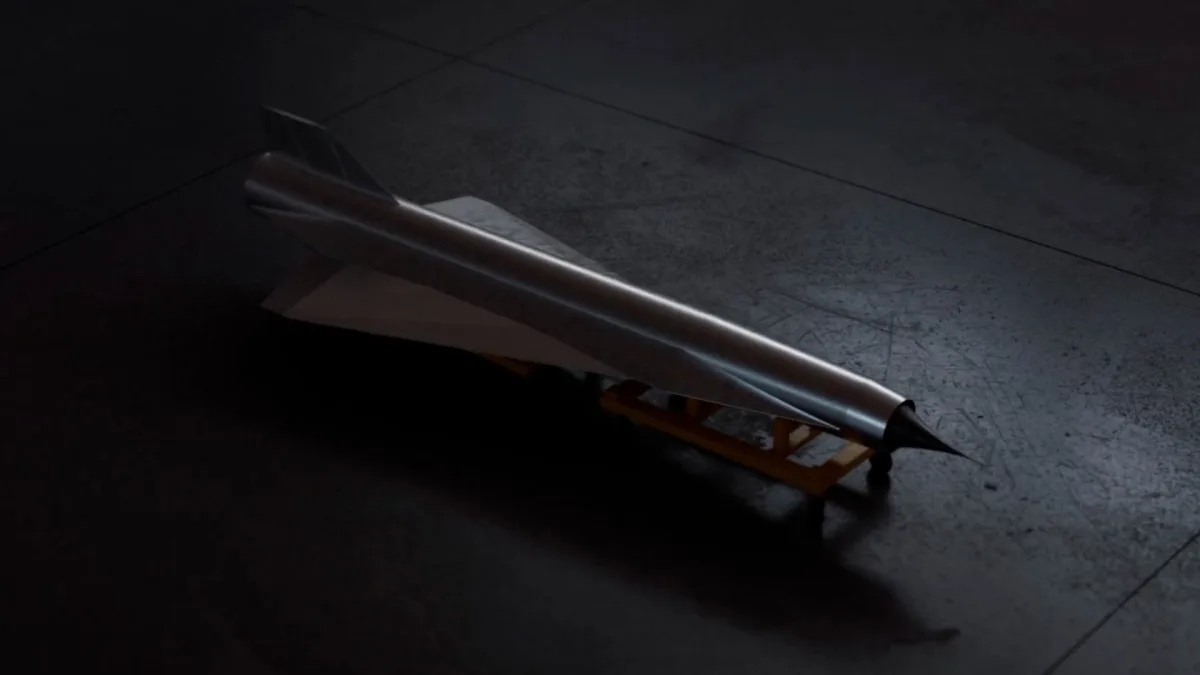
The FAA authorized Hermeus to conduct six supersonic test flights of its Quarterhorse Mk 2.2 drone at White Sands through August 2027.
Airbus Deliveries Slow to 57, Putting 870 Target at Risk
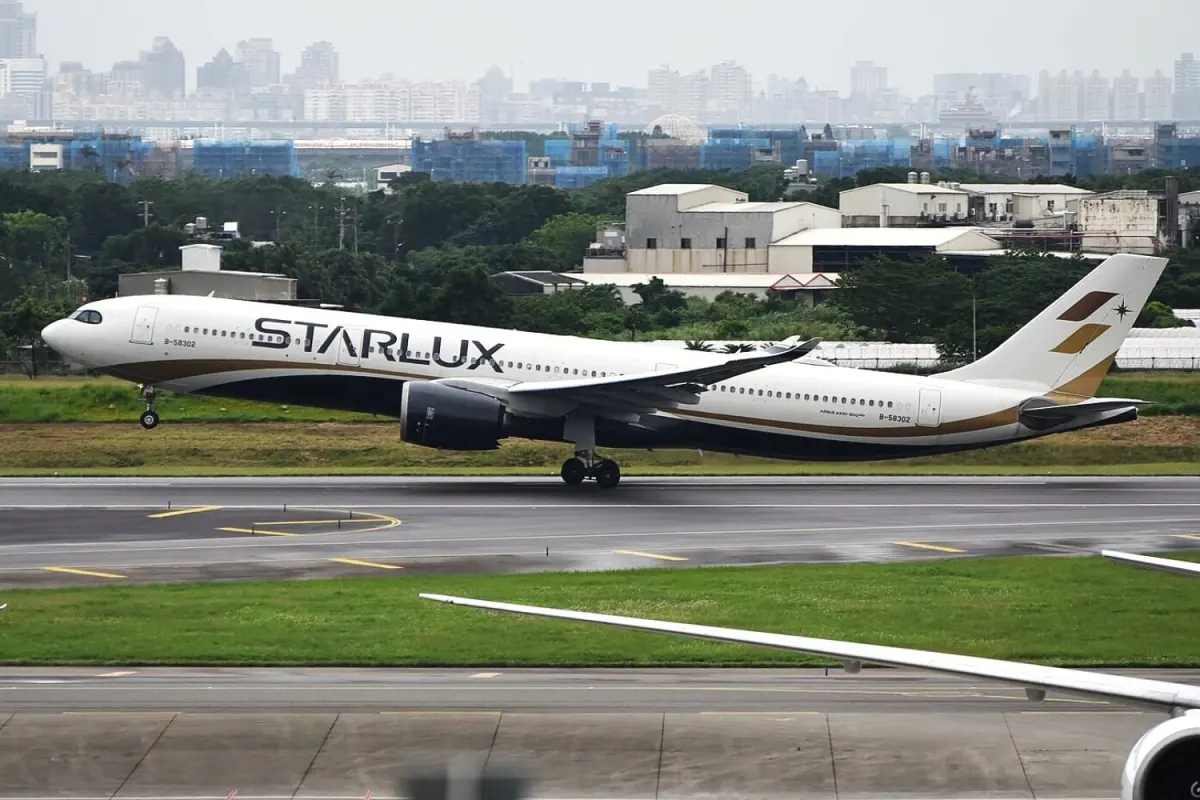
Airbus delivered 57 aircraft in August 2026, requiring a surge to 99 monthly deliveries to meet its full-year target of 870.

IAI Completes First Flight of A330-300BDSF Cargo Conversion
Israel Aerospace Industries successfully completed the first flight of its A330-300BDSF, an Airbus widebody converted for cargo operations.

Embraer Delivers 2,000th E-Jet to Azul Linhas Aéreas
Embraer reached a major milestone with the delivery of its 2,000th E-Jet, an E195-E2, to Brazilian operator Azul Linhas Aéreas on September 2, 2026.
Cessna Citation CJ4 Achieves 500th Delivery
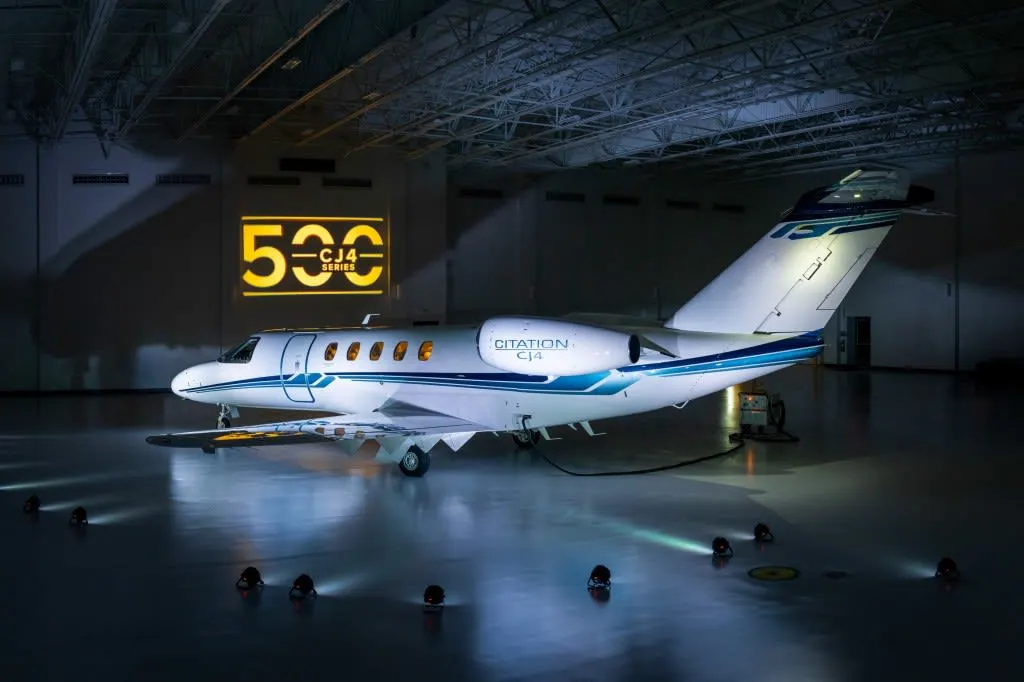
Textron Aviation delivered its 500th Cessna Citation CJ4 business jet to a customer in the Philippines as the manufacturer nears Gen3 certification.