Boeing 777-9 vs A350-1000: New Widebody Duel Shapes Long-Haul Market

Co-Founder & CEOAviation News Editor delivering trusted coverage across the global aviation industry.

Boeing's 777-9 faces a 2027 service entry amid certification delays, ceding market momentum to Airbus's long-range A350-1000 in a key widebody duel.
Key Takeaways
- •Targets 2027 for first 777-9 delivery after significant FAA certification delays.
- •Features a direct rivalry between the 426-seat 777-9 and the 350-410 seat A350-1000.
- •Costs Boeing a $4.9 billion pre-tax charge due to the extended development timeline.
- •Highlights the industry shift to high-capacity, fuel-efficient twin-engine widebodies.
The commercial aviation industry is closely watching the developing competition between the Boeing 777-9 and the Airbus A350-1000, a rivalry set to define the large twin-engine, long-haul market for the next decade. The duel has been intensified by significant delays in the 777-9 program, with Boeing now targeting a 2027 entry into service. This revised timeline provides Airbus with a substantial window to solidify the market position of its A350-1000, which is already in service and gaining orders.
The contest between these two aircraft represents more than a simple sales race; it is a referendum on competing design philosophies and a critical component of airline fleet modernization strategies. Airlines are phasing out older, less efficient four-engine jets like the Boeing 747 and Airbus A380, seeking the 20-25% lower fuel burn offered by new-generation twin-engine widebodies. The outcome of this competition will influence network planning, operating economics, and passenger experience on ultra-long-haul flights for years to come.
Certification Challenges and Delays
The primary factor affecting the 777-9's market entry is a prolonged and complex certification process with the Federal Aviation Administration (FAA). Following the 737 MAX groundings, the FAA has adopted a more stringent, incremental approach to granting Type Inspection Authorization (TIA), which confirms an aircraft is expected to meet certification standards. This heightened scrutiny has significantly impacted the 777X program, leading to repeated delays.
Boeing CEO Kelly Ortberg acknowledged the difficulties, stating, "We very much underestimated how much work it was going to take for us to get the TIA approvals and for the FAA to have the opportunity to review all the data submissions." The financial consequences have been substantial; according to Boeing's Q3 2025 earnings release, the company recorded a $4.9 billion pre-tax earnings charge directly attributable to the 777-9 delays. The delays have a cascading impact on launch customers, including Emirates, Lufthansa, and Singapore Airlines, forcing them to adjust capacity growth plans and potentially extend leases on older aircraft.
Airbus Capitalizes on Market Opening
While Boeing navigates its certification hurdles, Airbus has leveraged the A350-1000's established service record and availability. The European manufacturer has secured over 360 firm orders for the variant as of early 2026, with recent commitments from major carriers like Air Canada and Delta. The aircraft's proven performance and earlier delivery slots make it an attractive alternative for airlines needing immediate widebody capacity.
Airbus executives have highlighted this momentum. Benoît de Saint-Exupéry, an Airbus executive, noted that recent orders are "a testament to our enduring partnership and the excellence of the Airbus widebody family performance." The A350-1000's key advantage lies in its operational flexibility, particularly its superior range, which gives airlines more options for pioneering new ultra-long-haul routes.
Boeing 777-9 vs Airbus A350-1000: Key Specifications
| Metric | Boeing 777-9 | Airbus A350-1000 |
|---|---|---|
| Typical Capacity | 426 seats (2-class) | 350-410 seats (3-class) |
| Maximum Range | 7,285 nm | 8,700 nm |
| Engine Thrust | 110,000 lbf (GE9X) | 97,000 lbf (Trent XWB-97) |
Historical Precedents
This market dynamic is not without precedent. In the early 2000s, the twin-engine Boeing 777-300ER competed directly with the four-engine Airbus A340-600. The 777-300ER's superior fuel efficiency and operating economics allowed it to dominate the market, ultimately leading Airbus to cease A340 production. This history demonstrates how twin-engine efficiency is a decisive factor in the widebody segment. However, the Boeing 787 Dreamliner program also offers a relevant comparison. The 787 faced multi-year delays from 2007 to 2011 but went on to become a major commercial success, suggesting that the 777-9's current challenges do not preclude its long-term market viability.
Technical Analysis
The current duel reflects a structural shift in the aviation industry. Increased regulatory scrutiny is now a permanent feature of aircraft development, extending timelines and raising costs for manufacturers. The 777-9's delays are a direct consequence of this new paradigm. The competition also highlights two distinct strategies for the top end of the market: Boeing is betting on the high-capacity niche with the 777-9, designed to be a 747 replacement for high-density hub-to-hub routes, while the Airbus A350-1000 offers greater range and versatility for a wider variety of long-haul missions. While the 777-9's delays follow a similar pattern to the 787's, the competitive landscape is different, with Airbus now offering a mature and capable direct competitor.
What Comes Next
Based on current schedules, the industry anticipates several key milestones. The FAA Type Certification for the Boeing 777-9 is now expected in late 2026. This would clear the path for the first commercial delivery of the aircraft, which, according to Boeing, is expected to occur in 2027. Meanwhile, Airbus continues to expand its A350 platform, with the first flight of the A350 Freighter (A350F) anticipated in the third quarter of 2026. Both aircraft will require Extended-range Twin-engine Operations Performance Standards (ETOPS) certification to operate efficiently on transoceanic routes.
Why This Matters
This competition between the Boeing 777-9 and Airbus A350-1000 will fundamentally shape the economics of long-haul travel. For airlines, the choice between the two aircraft involves a trade-off between the 777-9's superior passenger capacity and the A350-1000's extended range and earlier availability. The outcome will not only determine market share but also influence the future development of airline route networks and the pace of fleet renewal with more sustainable aircraft.
Get breaking commercial aviation news and expert airline analysis at omniflights.com. Get the latest updates on major hubs, regional terminals, and airport operations via the Airports section at omniflights.com/airports.
Written by Hardik Vishwakarma
Co-Founder & Aviation News Editor leading initiatives that improve trust and visibility across the global aviation industry. Covers airlines, airports, safety, and emerging technology.
Visit ProfileYou Might Also Like
Discover more aviation news based on similar topics

Boeing Logs 15 Gross Orders Including 13 787 Dreamliners
Boeing recorded 15 gross orders in August 2026, featuring 13 widebody 787 Dreamliner commitments from undisclosed customers.

Hermeus Gets FAA Approval for Mach 1+ Drone Test Flights
The FAA authorized Hermeus to conduct six supersonic test flights of its Quarterhorse Mk 2.2 drone at White Sands through August 2027.
Airbus Deliveries Slow to 57, Putting 870 Target at Risk
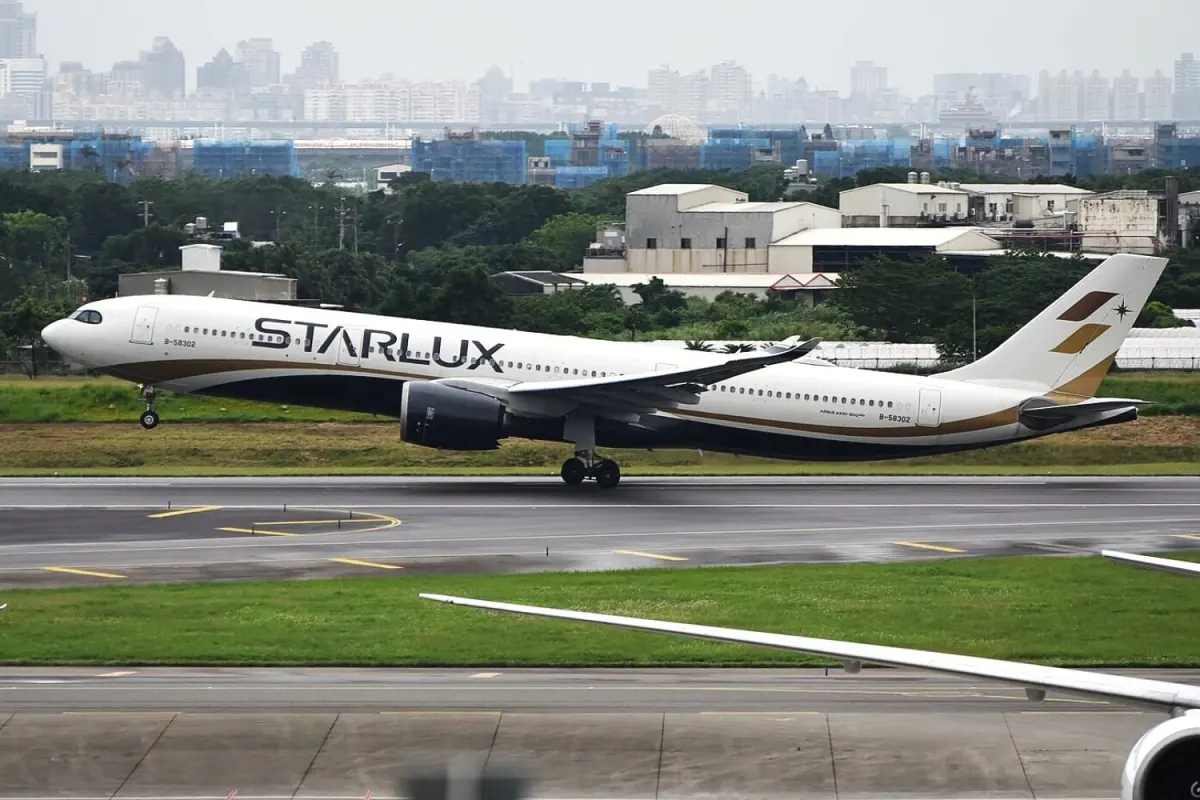
Airbus delivered 57 aircraft in August 2026, requiring a surge to 99 monthly deliveries to meet its full-year target of 870.
IAI Completes First Flight of A330-300BDSF Cargo Conversion
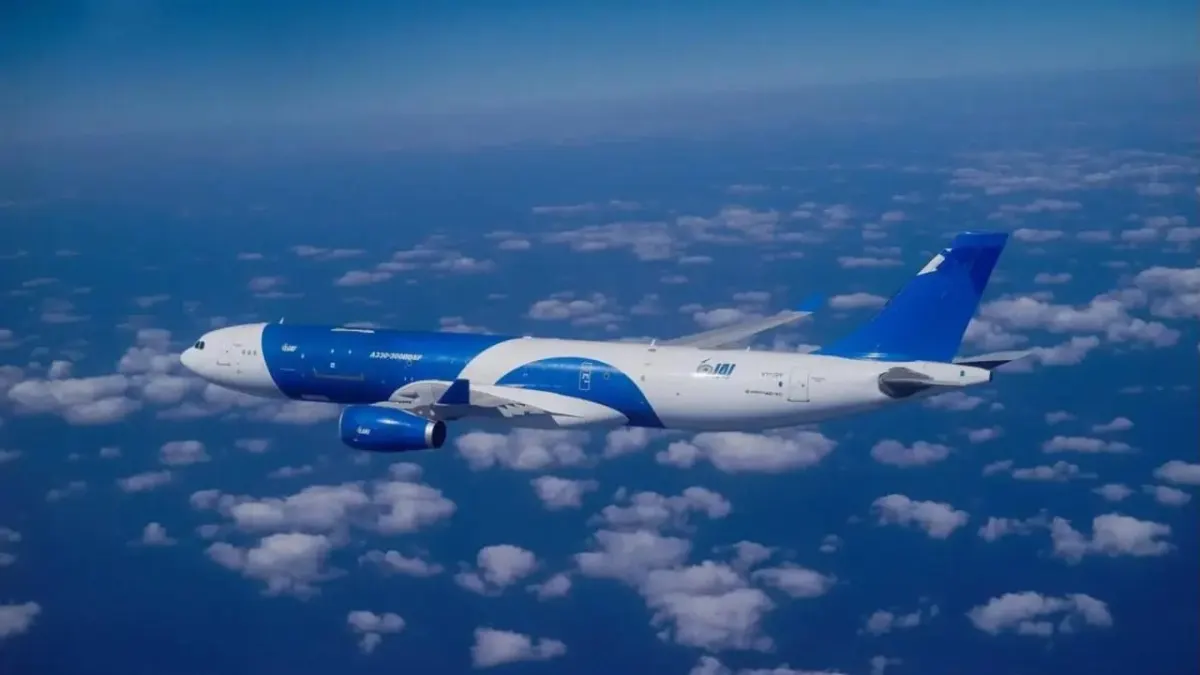
Israel Aerospace Industries successfully completed the first flight of its A330-300BDSF, an Airbus widebody converted for cargo operations.

Embraer Delivers 2,000th E-Jet to Azul Linhas Aéreas
Embraer reached a major milestone with the delivery of its 2,000th E-Jet, an E195-E2, to Brazilian operator Azul Linhas Aéreas on September 2, 2026.
Cessna Citation CJ4 Achieves 500th Delivery
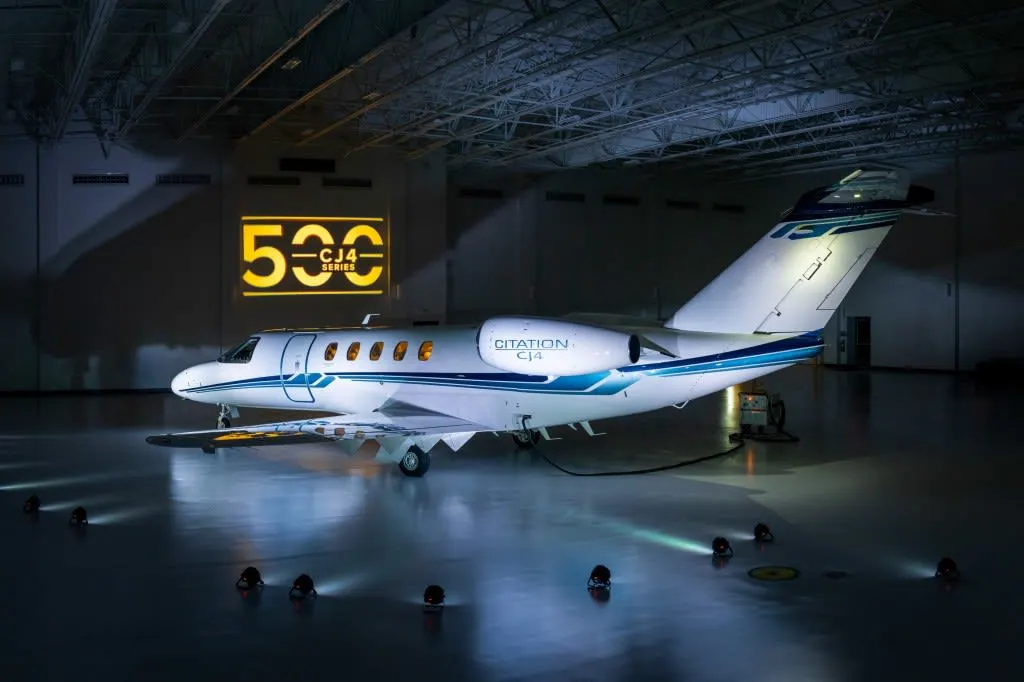
Textron Aviation delivered its 500th Cessna Citation CJ4 business jet to a customer in the Philippines as the manufacturer nears Gen3 certification.