Boeing 777-9 Delays Intensify A350-1000 Widebody Rivalry

Co-Founder & CEOAviation News Editor delivering trusted coverage across the global aviation industry.

Boeing's 777-9 delivery delay to 2027 strengthens the market position of the Airbus A350-1000, intensifying competition in the long-haul sector.
Key Takeaways
- •Delays first Boeing 777-9 delivery to 2027, seven years behind its original schedule.
- •Faces intensified competition from the Airbus A350-1000, which has been in commercial service since 2018.
- •Impacts major customers like Emirates, forcing expensive life-extension retrofits on older A380 fleets.
- •Incurs a $4.9 billion pre-tax charge related to program delays and stringent certification costs.
The competitive landscape of the long-haul aviation market is being reshaped as persistent certification challenges push the first delivery of the Boeing 777-9 to 2027, ceding a significant market advantage to its direct rival, the Airbus A350-1000. This multi-year delay not only affects Boeing's financial standing but also disrupts the fleet renewal strategies of major global carriers counting on the next-generation widebody.
The rivalry between these two aircraft represents the principal battleground for dominance in the high-capacity, twin-engine segment. As airlines phase out older, less efficient four-engine jets like the Airbus A380 and Boeing 747, the 777-9 and A350-1000 are the primary contenders to capture this crucial replacement cycle. The A350-1000 leverages a proven composite airframe for fuel efficiency, while the 777-9 offers higher passenger capacity, creating a distinct choice for airline network planners. However, with the A350-1000 in active service since 2018, Boeing's prolonged entry-into-service timeline creates a critical opening for its European competitor.
The Certification Divide
The core of the 777-9's troubles lies in its protracted certification process with the FAA (Federal Aviation Administration). In a post-737 MAX environment, regulatory scrutiny has become significantly more stringent, elongating timelines for new aircraft programs. According to the FAA, Boeing was approved to begin Phase 3 of its Type Inspection Authorization (TIA) process in November 2025, a critical step involving formal certification flight testing. Despite this progress, the overall program has slipped from an initial 2020 target to the current 2027 forecast.
Boeing's financial filings reflect the severity of the situation. The company's Q3 2025 earnings release confirmed it took a $4.9 billion pre-tax charge related to the 777X program delays. In sharp contrast, the Airbus A350-1000 received its type certificate from the EASA (European Union Aviation Safety Agency) in 2017, giving Airbus a multi-year head start to secure orders and establish a mature operational record.
Airline and Stakeholder Impact
The delays have caused significant disruption for key customers. Emirates Airlines, the largest 777X customer with 170 aircraft on order, has been most affected. The airline now faces a seven-year gap from its original expectation, forcing it into a costly multi-billion dollar retrofit program to extend the operational life of its existing A380 and 777-300ER fleets. Emirates President Tim Clark voiced his frustration, stating, "When they said they pushed it to 2027, that's a 12-month period: Am I looking at the first quarter? Second quarter? Third quarter? Fourth quarter? It's bad news for us. It's seven years after we expected it to happen." Clark has also publicly criticized Boeing's management, suggesting the delays stem from a corporate culture prioritizing shareholder value over engineering excellence.
Other stakeholders are also impacted. Launch customer Lufthansa faces a setback in its long-haul fleet modernization and the planned rollout of its new 'Allegris' premium cabins. For GE Aerospace, the manufacturer of the GE9X engine, the airframe's certification pushback delays engine production schedules and final payment milestones.
Boeing 777-9 vs Airbus A350-1000: Key Specifications
A direct comparison of the manufacturers' official data highlights the distinct strategies each aircraft employs to capture the market.
| Metric | Boeing 777-9 | Airbus A350-1000 |
|---|---|---|
| Capacity | 426 (2-class) | 350-410 (3-class) |
| Range | 7,285 nmi | 8,700 nmi |
| Length | 76.72 m | 73.79 m |
| Engine Thrust | 110,000 lbf | 97,000 lbf |
Data sourced from Boeing Commercial Airplanes and Airbus S.A.S. official specifications.
Technical Analysis
This rivalry mirrors historical precedents but unfolds in a new regulatory and market context. In the early 2000s, the twin-engine Boeing 777-300ER's superior operating economics allowed it to decisively outsell the four-engine Airbus A340-600, establishing the dominance of large twin-jets. The 777-9 was designed to repeat this success by leveraging capacity and powerful engines. However, the current situation is different. The A350-1000 is a highly efficient twin-engine competitor, not a quad-jet, and its use of advanced composites follows the successful path pioneered by the Boeing 787 and Airbus A350 programs in the 2010s.
The 777-9's primary vulnerability is not its design, but its timeline. The data suggests that the prolonged certification process has eroded its initial competitive advantage. By the time the 777-9 enters service, the A350-1000 will have been operating for nearly a decade, offering airlines a de-risked, immediately available platform with a mature global support network. This development indicates a potential shift in the market where program execution and certification certainty are becoming as critical as performance specifications. While environmental groups argue that both ultra-large jets lock in significant carbon emissions, the immediate commercial pressure is on replacing older, thirstier aircraft, a trend that currently favors the available A350-1000.
What Comes Next
Based on Boeing's latest guidance, the path forward for the 777-9 remains challenging. The program must successfully navigate the final phases of FAA flight testing throughout 2026. FAA Type Certification is now expected in late 2026, which would clear the way for the first commercial delivery to launch customer Lufthansa to occur sometime in 2027. Any further delays would likely trigger additional financial penalties and could jeopardize existing orders as airlines re-evaluate their long-term fleet plans.
Why This Matters
This competition is more than a contest between two aircraft; it will define the economics of long-haul air travel for the next two decades. For airlines, the choice impacts network strategy, operational costs, and passenger experience. For the manufacturers, market leadership is at stake. Boeing's struggle to bring the 777-9 to market risks ceding a historically dominant segment to Airbus, signaling that in the modern aviation industry, timely delivery and regulatory predictability are paramount.
Visit omniflights.com for the latest commercial aviation news and airline industry updates. For reporting on UAP sightings, investigations, and aviation-related encounters, see the UAPs section at omniflights.com/uaps.
Written by Hardik Vishwakarma
Co-Founder & Aviation News Editor leading initiatives that improve trust and visibility across the global aviation industry. Covers airlines, airports, safety, and emerging technology.
Visit ProfileYou Might Also Like
Discover more aviation news based on similar topics

Boeing Logs 15 Gross Orders Including 13 787 Dreamliners
Boeing recorded 15 gross orders in August 2026, featuring 13 widebody 787 Dreamliner commitments from undisclosed customers.

Hermeus Gets FAA Approval for Mach 1+ Drone Test Flights
The FAA authorized Hermeus to conduct six supersonic test flights of its Quarterhorse Mk 2.2 drone at White Sands through August 2027.
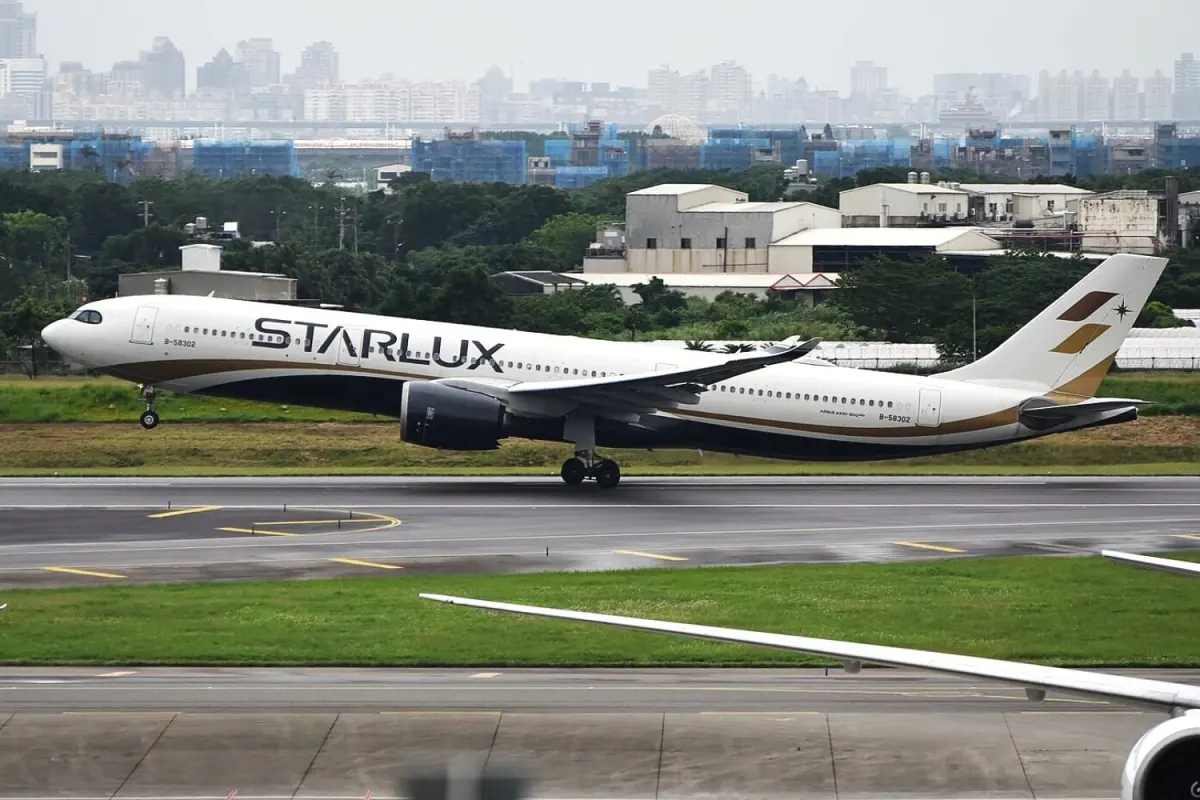
Airbus Deliveries Slow to 57, Putting 870 Target at Risk
Airbus delivered 57 aircraft in August 2026, requiring a surge to 99 monthly deliveries to meet its full-year target of 870.
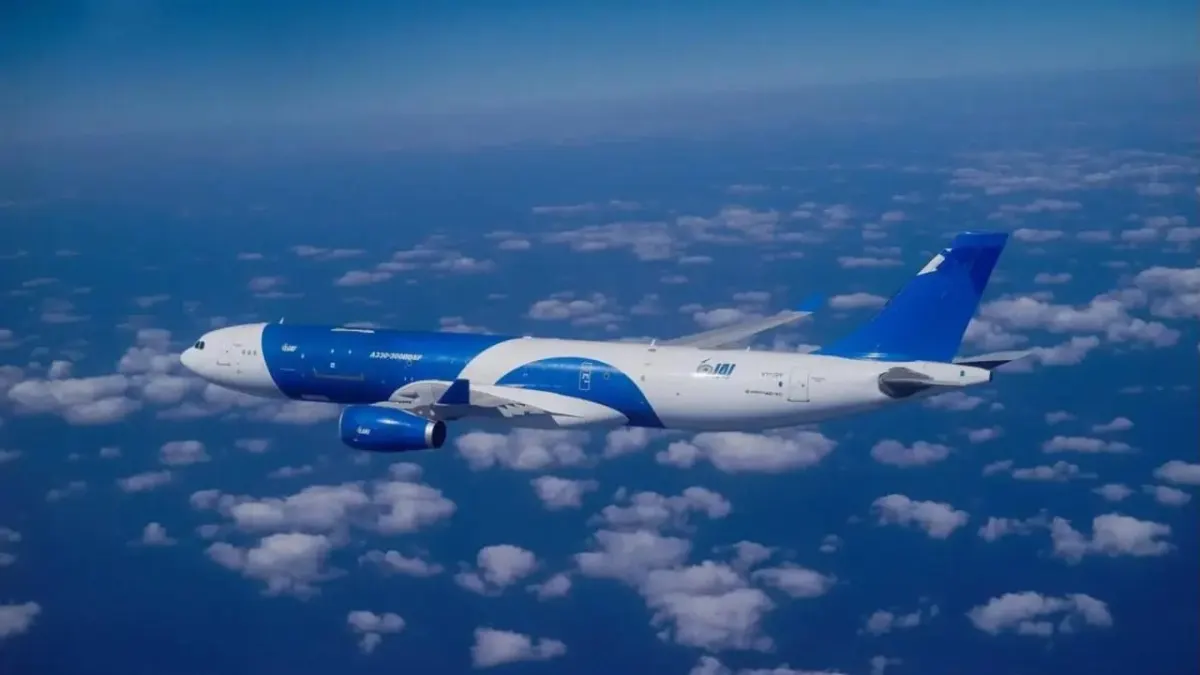
IAI Completes First Flight of A330-300BDSF Cargo Conversion
Israel Aerospace Industries successfully completed the first flight of its A330-300BDSF, an Airbus widebody converted for cargo operations.

Embraer Delivers 2,000th E-Jet to Azul Linhas Aéreas
Embraer reached a major milestone with the delivery of its 2,000th E-Jet, an E195-E2, to Brazilian operator Azul Linhas Aéreas on September 2, 2026.
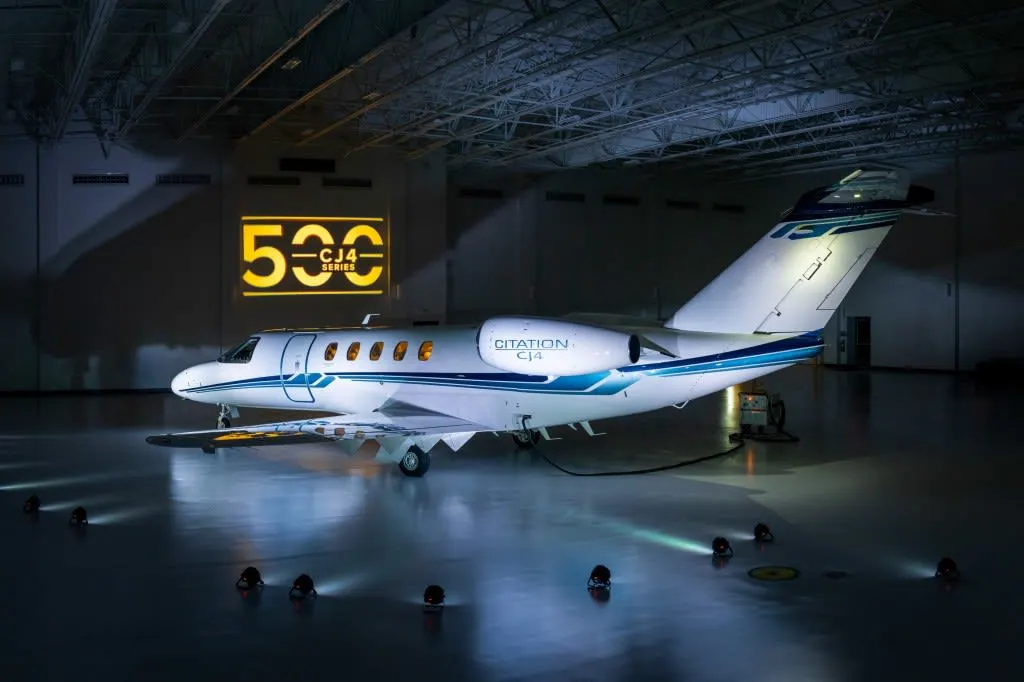
Cessna Citation CJ4 Achieves 500th Delivery
Textron Aviation delivered its 500th Cessna Citation CJ4 business jet to a customer in the Philippines as the manufacturer nears Gen3 certification.