Boeing 737 MAX 10 Certification Gains FAA Test Authority


Boeing has received FAA Type Inspection Authorization for its 737 MAX 10, a critical milestone in the aircraft's multi-year certification program.
Key Takeaways
- •Boeing secured FAA Type Inspection Authorization for 737 MAX 10 testing.
- •FAA approved a production rate increase to 47 aircraft per month in 2026.
- •Certification of the 737 MAX 10 is currently expected in late 2026.
- •Airbus A321neo currently holds over 80% of the large narrowbody market.
FAA Grants Critical Flight Test Authority
Boeing (BA) has secured formal Type Inspection Authorization (TIA) from the Federal Aviation Administration (FAA), marking a significant advancement for the Boeing 737 MAX 10 certification program. This regulatory milestone grants FAA personnel the authority to participate directly in the flight test regime, a necessary step toward final type certification. The FAA Newsroom continues to monitor the manufacturer's progress as it navigates the final stages of a testing process that has been extended by rigorous safety evaluations.
Addressing Certification Delays
The path to the 737-10's entry into service has been defined by extensive regulatory scrutiny. A primary pacing item for the certification delay was the mandatory redesign of the engine anti-ice system, which was identified as a potential overheating hazard. This engineering requirement reflects the heightened oversight framework established by the FAA following the systemic failures associated with earlier 737 MAX variants. According to Boeing's 737 MAX official page, the aircraft is designed for a maximum capacity of 230 passengers and a range of 3,100 nautical miles, placing it in direct competition with the Airbus A321neo.
Impact on Airline Operations
The prolonged certification timeline has created significant capacity planning challenges for major carriers. Airlines with substantial 737-10 order books have been forced to adjust fleet strategies, often relying on older aircraft or exploring alternatives to maintain growth targets. In the broader narrowbody aircraft market, the Airbus A321neo has capitalized on these delays, currently holding over an 80% market share in the large single-aisle segment. As noted in Airbus commercial product data, the A321neo offers higher seating density and range, intensifying the pressure on Boeing to finalize its own large-narrowbody offering.
Production Rate Dynamics
Beyond certification, Boeing's operational recovery remains under FAA supervision. The regulator has maintained strict controls on manufacturing output, recently authorizing an increase in 737 MAX production from 42 to 47 aircraft per month. This move suggests a measured return to higher production volumes, contingent on the manufacturer's ability to maintain stringent quality and safety standards within its factory lines.
737 MAX 10 vs. A321neo: Key Specifications
| Metric | 737 MAX 10 | Airbus A321neo |
|---|---|---|
| Maximum Seating | 230 passengers | 244 passengers |
| Maximum Range | 3,100 nmi | 4,000 nmi |
| Engine Options | CFM LEAP-1B | CFM LEAP-1A or PW1100G |
The Path to Type Certification
This development signifies a shift from internal manufacturer testing to formal regulatory validation. Historically, similar certification programs, such as the 787 Dreamliner battery resolution, demonstrate that overcoming specific subsystem hazards is essential for restoring market confidence. The current trajectory suggests that the FAA is prioritizing a thorough, non-rushed evaluation over the rapid delivery of the aircraft. This approach follows the precedent set by the 20-month global grounding of the 737 MAX 8, which necessitated a fundamental overhaul of how the FAA interacts with Boeing's internal certification processes.
Upcoming Certification Milestones
The industry is now tracking several key dates as the 737 family moves toward completion. The 737 MAX 7 type certification is currently expected by the summer of 2026, followed by the 737 MAX 10 certification in late 2026. Additionally, Boeing is slated to ramp up production to 47 aircraft per month throughout the latter half of 2026. These dates remain subject to the successful completion of the newly authorized FAA flight tests.
Why Regulators Are Watching
For the aviation industry, the successful certification of the 737-10 is more than a fleet update; it is a test of the current regulatory oversight model. The FAA's decision to maintain strict production caps while simultaneously granting TIA reflects a dual-track strategy of ensuring safety through enhanced scrutiny while allowing for measured industrial recovery. For operators and lessors, the outcome of this testing phase will determine the long-term viability of their current narrowbody fleet renewal plans.
Frequently Asked Questions
- What is the significance of the FAA granting Type Inspection Authorization to Boeing?
- Type Inspection Authorization is a formal regulatory milestone that allows FAA personnel to join the flight test program. This step is critical because it enables the regulator to formally evaluate the aircraft's compliance with safety standards before final certification can be granted.
- Why has the certification of the 737 MAX 10 been delayed?
- The certification process has been delayed primarily due to the mandatory redesign of the engine anti-ice system to prevent an identified overheating hazard. Additionally, the program has faced intensified regulatory scrutiny and a shift in oversight protocols following previous 737 MAX safety incidents.
For global airline trends and commercial aviation news, turn to omniflights.com. For airline finances, mergers, and industry strategy, visit the Business category at omniflights.com/business.

Written by Hardik Vishwakarma
Co-Founder & Aviation News Editor leading initiatives that improve trust and visibility across the global aviation industry. Covers airlines, airports, safety, and emerging technology.
Visit ProfileYou Might Also Like

GE Aerospace Plans to Double India Supplier Spend by 2030
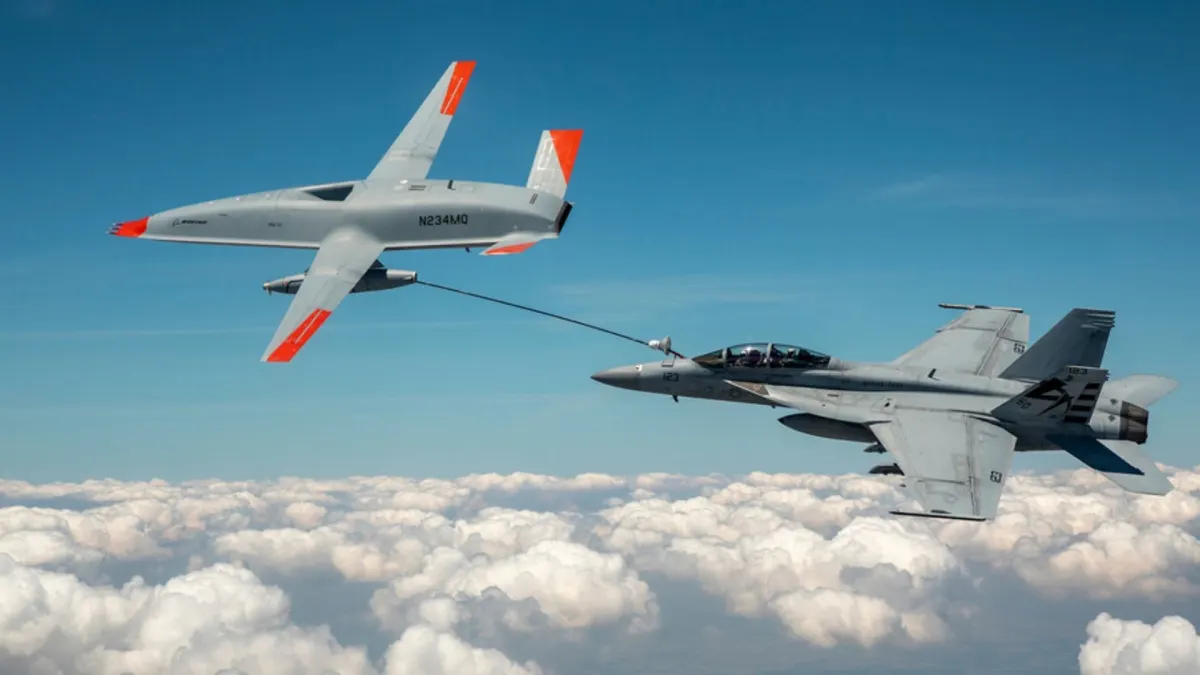
Boeing Tests MUM-T Software for MQ-25A and F/A-18 Teaming
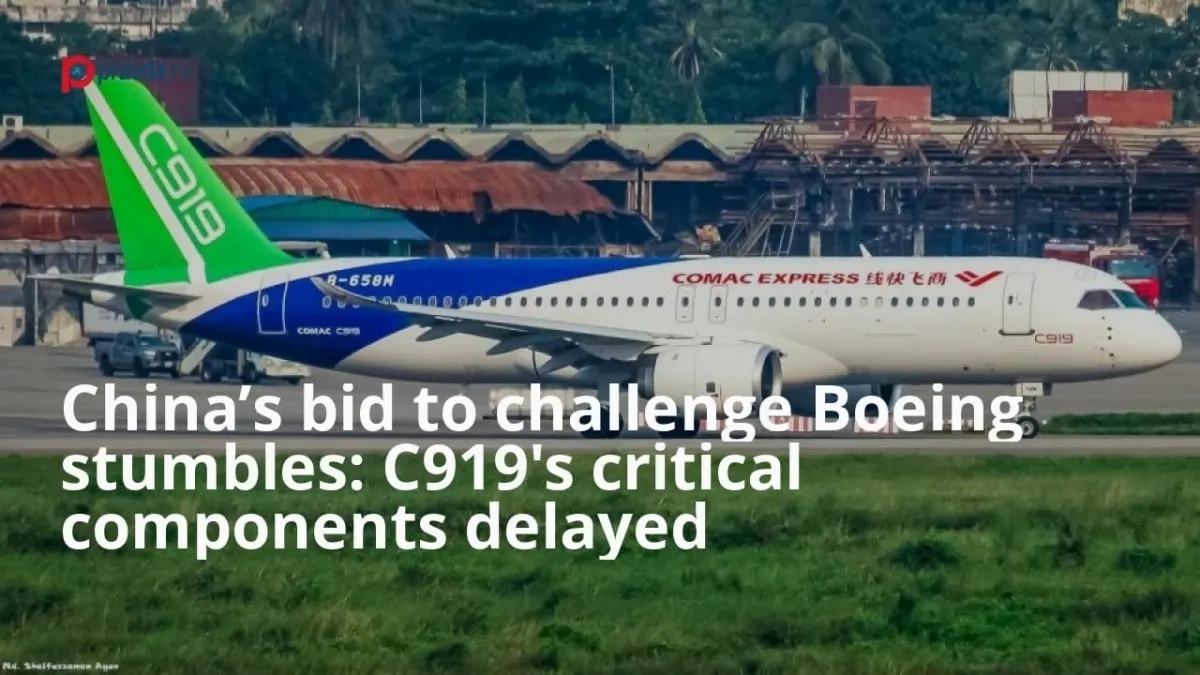
COMAC C919 Faces Production Delays Amid US Export Curbs

Boeing Awarded $14.7B Contract for PAC-3 Missile Seekers

Boeing 777X Testing Spills Into 2027 Amid Certification Hurdles