Bamboo Airways Suspends Ticket Sales with One Active A321

Aviation News Editor & Industry AnalystAviation News Editor & Industry Analyst delivering clear coverage for a worldwide audience.
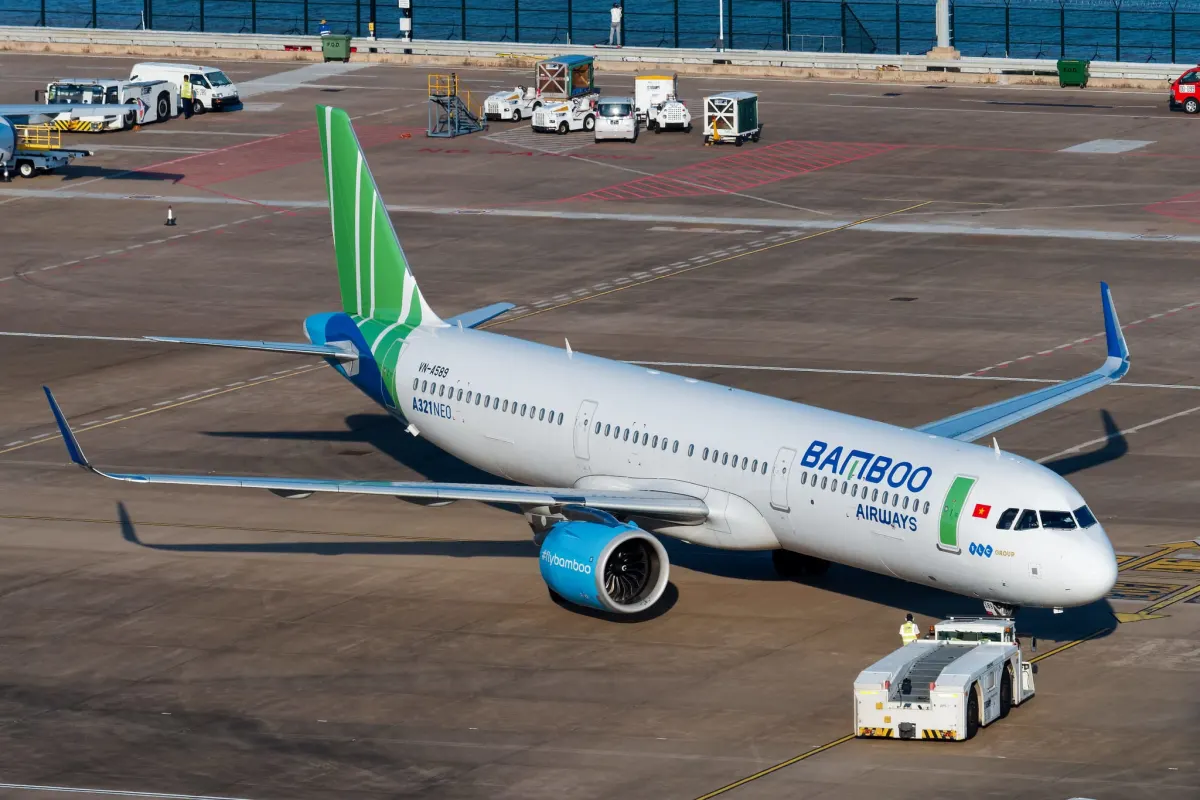
Bamboo Airways suspended scheduled domestic ticket sales as its active fleet shrank to 1 Airbus A321 amid a $16.8 million tax debt.
Key Takeaways
- •Bamboo Airways suspends scheduled domestic ticket sales starting August 1, 2026.
- •Active operations contract to a single Airbus A321, down from a peak of 44.
- •Gia Lai Tax Department reports a VND 440 billion tax debt for the carrier.
- •Final scheduled domestic flights are confirmed to end on August 22, 2026.
Vietnamese private carrier Bamboo Airways has suspended regular passenger Bamboo Airways ticket sales as its operational fleet contracts to just a single active Airbus A321 aircraft. This dramatic reduction in capacity marks a critical phase in the Vietnamese aviation restructuring process, forcing a near-total halt to Vietnam domestic flights amid an escalating airline financial crisis and scaled-back Airbus A321 operations.
The decision to halt scheduled ticket sales represents a severe contraction for an airline that once aimed to challenge state-backed competitors in Southeast Asia. Passengers holding tickets for flights beyond the immediate wind-down window face major disruptions, requiring reaccommodation on competing carriers. Operationally, the shift leaves the airline unable to maintain its previous trunk routes, effectively ending its role as a major domestic competitor in Vietnam's rapidly growing aviation market.
Fleet Reductions and Severe Tax Liabilities
According to operational data, Bamboo Airways has scaled operations down to a single active Airbus A321, a severe drop from its historical peak fleet of 44 aircraft. This sole operational narrowbody, registered as VN-A227, is currently restricted to limited charter flights, as verified by FlightAware flight tracking records. The rest of the carrier's fleet has been returned to lessors or grounded due to maintenance and lease disputes, leaving the airline with only three aircraft on paper.
The financial distress underpinning this fleet collapse is substantial. The Gia Lai Provincial Tax Department has disclosed that Bamboo Airways owes approximately VND 440 billion (equivalent to $16.8 million) in unpaid taxes. The tax authority has threatened to impose travel restrictions on the airline's beneficial owner if this debt is not settled, compounding the regulatory and executive pressure on the carrier.
Operational reliability has also suffered during this period of distress. Data from the CAAV (Civil Aviation Authority of Vietnam) reveals that Bamboo Airways' on-time performance dropped to 66.8% in June 2026. This metric fell significantly below the Vietnamese industry average of 75.7% for the same period, reflecting the severe operational strain caused by aircraft groundings and crew scheduling difficulties.
The airline's leadership has acknowledged the severity of the situation. Bamboo Airways Chief Executive Officer Truong Phuong Thanh stated in partner communications that management had "no other choice" but to suspend unsustainable routes during the transition. In a separate official statement, the airline noted it is "currently mobilizing resources to ensure the rights and interests of passengers" affected by the sudden route cancellations.
Impact on Passengers, Lessors, and Tax Authorities
The impact of this operational shutdown is highly concentrated. For domestic Vietnamese passengers, the suspension means a complete loss of scheduled flight capacity on key trunk routes, such as Hanoi to Ho Chi Minh City and Da Nang. Travelers must now seek alternative transport on competitors like VietJet or Vietnam Airlines, likely driving up ticket prices during peak travel periods. For aircraft lessors and leasing firms, the crisis has resulted in delayed payments and forced renegotiations, with many lessors already moving to repossess the majority of the carrier's former fleet. Meanwhile, the Gia Lai Provincial Tax Department faces the difficult task of recovering the outstanding $16.8 million in tax arrears amid ongoing restructuring.
Historical Precedents in Vietnamese and Regional Aviation
The crisis at Bamboo Airways mirrors broader structural challenges within the Vietnamese aviation sector. In March 2024, Pacific Airlines underwent a similar fleet restructuring, temporarily suspending all flights and returning its entire fleet to lessors to facilitate a debt write-down and restructuring plan. This domestic precedent highlights the systemic vulnerability of regional private carriers facing high dollar-denominated leasing costs.
On an international scale, the situation draws parallels to the May 2023 collapse of Indian low-cost carrier Go First. Go First filed for insolvency and suspended all flights after grounding half of its fleet due to engine supply issues, demonstrating how fleet groundings and lessor disputes can rapidly trigger a complete operational halt.
The Operational Reality of Single-Aircraft Economics
Operating a commercial airline with a single active narrowbody aircraft presents severe logistical and financial challenges. In commercial aviation, fleet commonality and scale are critical to absorbing fixed overhead costs, such as maintenance, crew training, and ground handling contracts. Operating only one Airbus A321 eliminates any operational redundancy; a single technical issue or unscheduled maintenance event will ground the airline's entire active network. This development indicates that Bamboo Airways is no longer functioning as a scheduled commercial carrier, but has instead transitioned into a boutique charter operator. The data suggests that without an immediate capital injection or debt-to-equity swap with lessors, the current single-aircraft model is financially unsustainable over the long term, accelerating the carrier's trajectory toward either total liquidation or a complete merger.
Transition to Charter Operations and Tax Deadlines
The airline is currently navigating a strict timeline to wind down its remaining scheduled operations. According to official communications from Bamboo Airways, the following milestones are currently tracked:
- August 22, 2026: The final scheduled domestic flight is confirmed to operate, marking the complete cessation of the airline's regular passenger network.
- Late August 2026: The airline is expected to transition entirely to charter operations, focusing on niche routes such as Macau charter flights.
- September 2026: The deadline for resolving the VND 440 billion tax dispute with the Gia Lai Provincial Tax Department remains a critical hurdle, with potential executive travel bans pending if negotiations fail.
What This Means for Vietnam's Aviation Market
This development signals a significant reduction in domestic competition within Vietnam, consolidating market share among the state-backed Vietnam Airlines group and low-cost giant VietJet. For aviation professionals, the rapid downsizing of Bamboo Airways highlights the high-risk nature of rapid, debt-fueled fleet expansion in emerging markets.
Frequently Asked Questions
- Why did Bamboo Airways suspend ticket sales?
- Bamboo Airways suspended scheduled ticket sales due to severe financial restructuring pressures, lessor debt disputes, and a VND 440 billion ($16.8 million) tax debt.
- Which aircraft is currently operating for Bamboo Airways?
- The airline has scaled its active operations down to a single Airbus A321, registered as VN-A227, which is being used to run limited charter flights.
- When will Bamboo Airways stop flying scheduled domestic routes?
- The airline has confirmed that its final scheduled domestic flight will operate on August 22, 2026, as it transitions to a charter-only business model.
Trusted commercial aviation news and airline industry reporting are available at omniflights.com. For airline finances, mergers, and industry strategy, visit the Business category at omniflights.com/business.
Written by Ujjwal Sukhwani
Aviation News Editor & Industry Analyst delivering clear coverage for a worldwide audience. Covers flight operations, safety regulations, and market trends with expert analysis.
Visit ProfileYou Might Also Like
Discover more aviation news based on similar topics
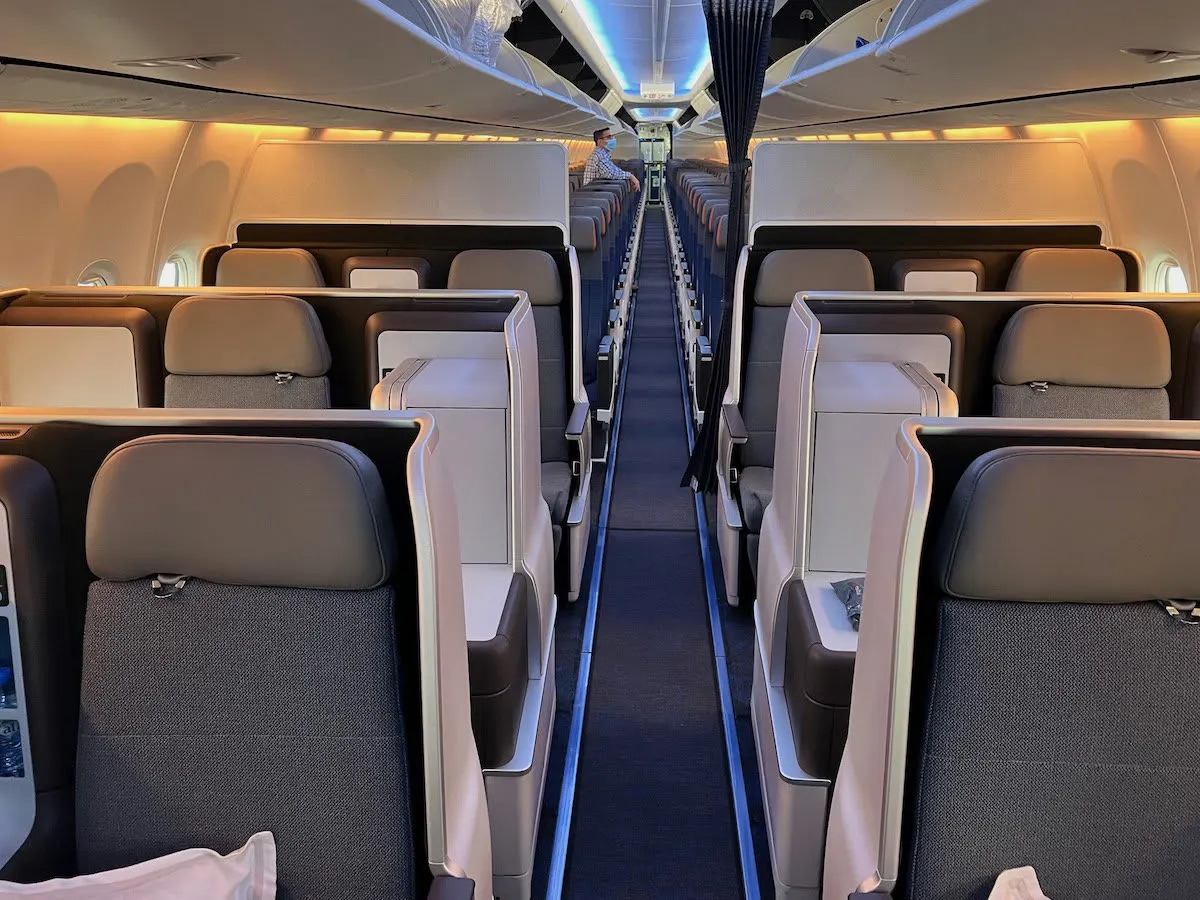
Flydubai Upgrading 21 Boeing 737 MAX 8s to Flat Bed Seats
Flydubai is retrofitting 21 Boeing 737 MAX 8 aircraft with lie-flat business class seats to standardize its premium product by late 2027.
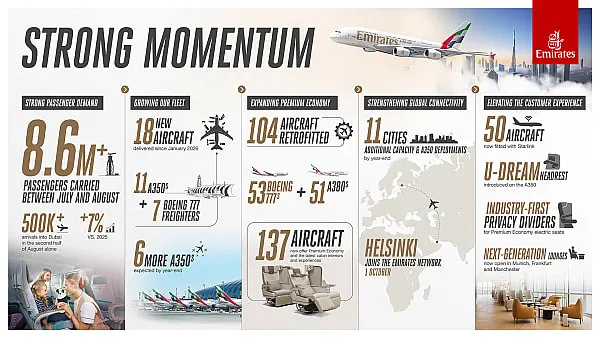
Emirates Winter Booking Momentum Grows Amid Fleet Expansion
Emirates carried 8.6 million passengers this summer and enters winter with strong demand as it accelerates fleet retrofits and network growth.
Air Arabia Consortium Gains AOC for New Dammam Budget Airline
A Saudi GACA-led consortium including Air Arabia has secured an AOC to launch a new budget airline based at Dammam's King Fahd International Airport.
Turkish Airlines Exits Luanda as Angola Hub Struggles
Turkish Airlines dropped its Luanda route as Angola's new airport struggles to attract traffic, handling only 756,028 passengers in 2025.

Red Sea Airlines Leases Two 737 MAX 8s for 2027 Expansion
Red Sea Airlines signed a lease for two Boeing 737 MAX 8 aircraft from SMBC Aviation Capital, arriving in 2027 to support its 14-aircraft fleet goal.
Avelo CEO Warns Airfares May Rise on Jet Fuel Price Spikes
Avelo Airlines CEO Andrew Levy warns that rising fuel costs may force fare increases as global jet fuel prices reach $171.01 per barrel.