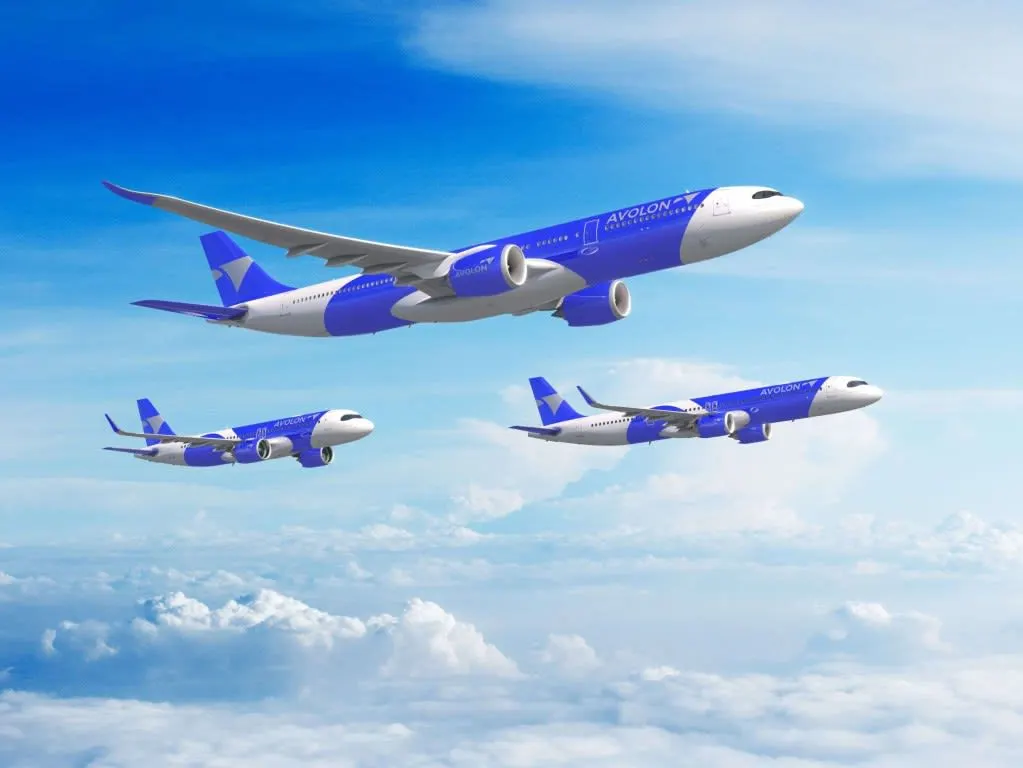
Avolon Orders 70 Rolls-Royce Trent 7000 Engines

Avolon ordered 70 Rolls-Royce Trent 7000 engines to power 35 new Airbus A330neo aircraft, raising its total A330-900 commitment to 114 units.
Key Takeaways
- •Avolon ordered 70 Rolls-Royce Trent 7000 engines for 35 new A330neos.
- •Order increases Avolon's total A330-900 commitment to 114 aircraft.
- •Trent 7000 engines provide a 14% better fuel burn per seat.
Aircraft lessor Avolon has finalized a procurement deal for 70 Rolls-Royce Trent 7000 engines to power 35 newly ordered Airbus A330neo widebody aircraft. The agreement, confirmed by the engine manufacturer on October 13, 2026, represents a strategic expansion of the lessor’s widebody portfolio. This Rolls-Royce Trent 7000 order supports the 35 A330-900 aircraft that Avolon recently added to its order book.
Expanding the Widebody Portfolio
This incremental order brings Avolon’s total commitment for the Airbus A330-900 variant to 114 aircraft. The move reflects sustained demand from airlines for fuel-efficient widebody capacity as global long-haul travel continues to recover. By securing these additional positions, Avolon aims to ensure future availability for its airline customers seeking fleet renewal and growth solutions. The lessor has historically utilized similar procurement strategies to secure early delivery slots, such as its June 2023 memorandum of understanding for 20 A330neo aircraft.
Performance and Technical Efficiency
The Trent 7000 engine is designed to provide substantial operational improvements over the previous generation of powerplants used on the A330 family. According to manufacturer data, the engine delivers a 14% better fuel burn per seat compared to the legacy Trent 700. These efficiencies are critical for lessors and airlines looking to reduce carbon footprints and lower operating costs in a competitive market environment. The engine also features a bypass ratio double that of the Trent 700 and operates 6dB quieter.
Market Implications for Lessors
This transaction highlights the ongoing trend of major aircraft lessors prioritizing high-efficiency, modern widebody assets. Avolon’s strategy aligns with broader industry patterns where lessors act as primary drivers of new production backlogs. For Rolls-Royce Civil Aerospace, the order bolsters the production backlog for the exclusive A330neo engine program, providing long-term visibility for its civil aerospace division. Meanwhile, for Airbus Commercial Aircraft, the deal locks in a major 35-aircraft widebody order, strengthening the A330neo's market position.
Executive Perspective on the Partnership
"We welcome Avolon's continued trust and partnership in the Trent 7000 programme with its latest order of Airbus A330-900s," said Ewen McDonald, Chief Customer Officer at Rolls-Royce. "Avolon is an important customer and long-standing supporter of this aircraft/engine combination, which forms a large part of its widebody fleet."
Will Pitcher, Head of Powerplant Strategy & Asset Solutions at Avolon, added: "The A330neo remains one of the most capable and efficient widebody aircraft in the market today. Powered by the Trent 7000, it offers our airline customers a compelling combination of fuel efficiency, operational reliability and range."
A330neo vs A330ceo: Efficiency Gains
The transition to the A330neo platform provides significant operational advantages over the prior A330ceo generation. The following table outlines the key technical improvements provided by the Trent 7000 engine.
| Metric | Trent 7000 Value | Trent 700 Comparison |
|---|---|---|
| Fuel Burn per Seat | 14% improvement | Baseline |
| Specific Fuel Consumption | 10% improvement | Baseline |
| Bypass Ratio | Double | Baseline |
| Noise Level | 6dB quieter | Baseline |
Long-Term Fleet Strategy
The current order cycle suggests a continued reliance on the A330neo as a primary tool for international capacity growth. Historically, Avolon’s commitment to this engine-airframe combination has mirrored broader industry trends, where lessors leverage fleet flexibility to meet changing airline requirements. As airlines face pressure to modernize aging fleets, the availability of fuel-efficient, proven widebody assets through lessors like Avolon serves as a critical buffer against production delays and supply chain volatility. This trend is expected to persist as long-haul travel demand tracks toward pre-pandemic levels and beyond.
What Comes Next for Avolon
Following the finalization of the engine order, Avolon is expected to integrate these 35 A330-900 aircraft into its existing delivery schedule. The company will continue to manage its 114-unit widebody backlog to align with delivery slots allocated by Airbus. Market analysts anticipate that Avolon will continue to monitor global widebody demand to determine if further incremental orders are necessary to support its airline customer base through the end of the decade.
Why This Matters for Airline Customers
For airlines, the availability of modern, fuel-efficient widebody capacity is essential for maintaining competitive operating margins on long-haul routes. By securing these engine positions, Avolon ensures that its customers have access to the latest engine technology, which is fundamental to lowering fuel costs and meeting sustainability targets. This move positions Avolon to remain a dominant player in the widebody leasing market, providing reliable, high-performance assets to carriers globally.
Frequently Asked Questions
- How many Trent 7000 engines did Avolon order for its new A330neos?
- Avolon ordered 70 Rolls-Royce Trent 7000 engines to power 35 newly ordered Airbus A330neo aircraft.
- What is the fuel efficiency improvement of the Trent 7000 engine?
- According to Rolls-Royce, the Trent 7000 engine delivers a 14% better fuel burn per seat compared to the previous generation Trent 700 engine.
Visit omniflights.com for the latest commercial aviation news and airline industry updates. For detailed airline coverage, route changes, and fleet moves, explore the Airlines section at omniflights.com/airlines.

Written by Hardik Vishwakarma
Co-Founder & Aviation News Editor leading initiatives that improve trust and visibility across the global aviation industry. Covers airlines, airports, safety, and emerging technology.
Visit ProfileYou Might Also Like
IndiGo Secures $328M Financing for 8 Airbus Aircraft

Delta Air Lines Earnings: Fuel Costs Surge, Fares Rise
FTAI Aviation Acquires 27 WestJet Boeing 737-700 Aircraft
Delta TechOps Targets Doubling MRO Revenue
Delta Cuts 2026 Profit Forecast Amid $6B Fuel Cost Surge