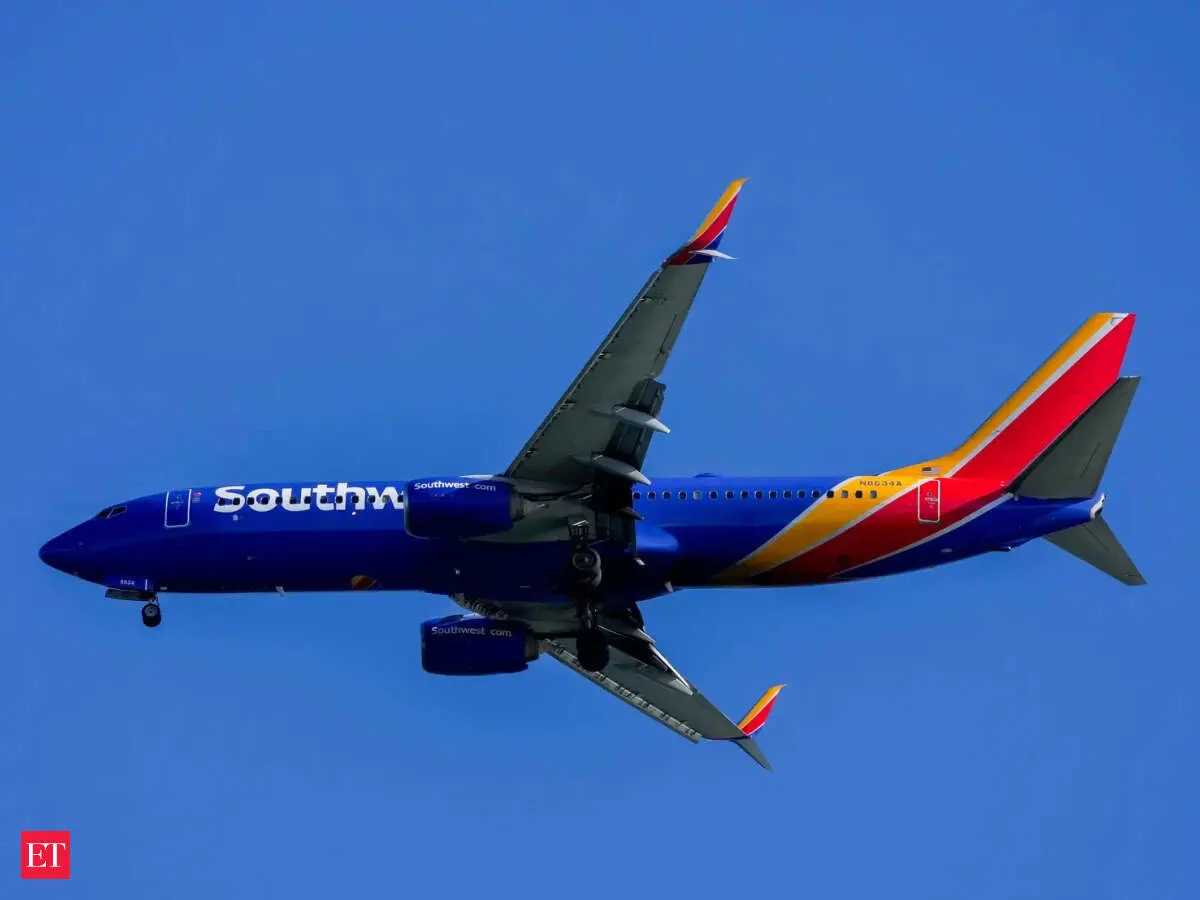
Delta Air Lines Earnings: Fuel Costs Surge, Fares Rise


Delta Air Lines reported $17.6 billion in quarterly revenue as airlines pass on fuel costs amid resilient passenger demand for air travel.
Key Takeaways
- •Delta reported $17.6 billion in Q3 revenue, a 16% year-over-year increase.
- •Delta's jet fuel costs rose 60%, representing a $1.6 billion increase.
- •Average domestic ticket prices reached $445.26 in the second quarter.
- •Delta lowered its full-year profit outlook to $5.10–$5.60 per share.
Financial Performance Amid Rising Fuel Costs
Delta Air Lines reported $17.6 billion in adjusted revenue for the third quarter of 2026, representing a 16% year-over-year increase. Despite this growth, the carrier fell just short of analysts’ $17.67 billion estimate. The financial results highlight the ongoing pressure of jet fuel prices, which surged 60% during the quarter for the airline, equating to a $1.6 billion increase in operating expenses. Consequently, Delta Air Lines earnings guidance for the full year has been revised downward to between $5.10 and $5.60 per share, compared to a previous forecast of $6.50 to $7.50.
Resilience in Airline Ticket Costs
Despite the significant rise in operating expenses, the broader airline ticket costs environment has remained robust. Delta CEO Ed Bastian noted that the airline successfully passed approximately 60% of its higher fuel costs to consumers in the second quarter, with expectations to reach nearly 100% in the third quarter. The airline’s revenue per seat mile increased by about 15%, a metric reflecting both higher fares and sustained passenger demand. According to the BTS (Bureau of Transportation Statistics), the average price for domestic trips reached $445.26 in the second quarter, while the U.S. Travel Association reports that ticket prices have increased about 23% year over year.
Industry-Wide Demand Trends
Other major carriers have observed similar resilience in passenger behavior. Southwest Airlines CEO Bob Jordan stated in a CNBC interview that demand remains strong despite high fuel prices and elevated fares. Similarly, American Airlines CEO Robert Isom remarked during the company’s second-quarter earnings call that consumer spending remains supported by a healthy labor market and a sustained preference for travel over other discretionary categories. The IATA (International Air Transport Association) reports that jet fuel prices are up more than 100% compared to a year ago, largely driven by global oil market volatility.
Historical Context and Market Dynamics
Historically, fuel shocks have presented existential threats to the aviation sector. In 2008, when oil prices reached $147 per barrel, airlines suffered significant losses, which forced the industry to introduce new ancillary fees to stabilize operations. The current environment contrasts with that precedent, as carriers are successfully incorporating fuel cost increases into base fares without dampening travel demand. Airlines for America notes that fuel costs typically account for about 21% of operating expenses, making the sector particularly sensitive to oil price fluctuations. Unlike many European counterparts, most U.S.-based airlines do not hedge against rising oil prices, leaving them directly exposed to market volatility.
Why This Matters for Investors and Travelers
This development signals a shift in the pricing power of the airline industry. For travelers, the sustainability of these price points suggests that the era of pandemic-era low fares may be concluding, as airlines prioritize margin protection over volume. For shareholders, the ability to maintain profitability despite a $1.6 billion fuel cost surge highlights the underlying strength of the franchise, though the downward revision in profit outlook underscores the volatility inherent in current energy markets. As Bastian noted, the industry's ability to adjust pricing quickly has been the primary factor in maintaining profitability during this period of inflationary pressure.
Frequently Asked Questions
- How much did Delta's jet fuel costs increase in the third quarter of 2026?
- Delta reported that its jet fuel costs increased by 60% in the third quarter, which represented a $1.6 billion increase in operating expenses for the carrier.
- What is the current outlook for Delta Air Lines' full-year profit?
- Following its third-quarter results, Delta cut its full-year profit outlook to between $5.10 and $5.60 per share, down from its previous forecast of $6.50 to $7.50.
Access up-to-date commercial aviation news and airline industry developments via omniflights.com. From aircraft production to supply chains, commercial aviation manufacturing news is covered at omniflights.com/manufacturing.

Written by Hardik Vishwakarma
Co-Founder & Aviation News Editor leading initiatives that improve trust and visibility across the global aviation industry. Covers airlines, airports, safety, and emerging technology.
Visit ProfileYou Might Also Like
FTAI Aviation Acquires 27 WestJet Boeing 737-700 Aircraft
Delta TechOps Targets Doubling MRO Revenue
Delta Cuts 2026 Profit Forecast Amid $6B Fuel Cost Surge

Avolon Orders 250 Airbus and Boeing Jets for Fleet Growth

Avolon Orders 250 Boeing and Airbus Jets in Q4 2026 Deal