American Airlines Updates Cabin Prep to 18,000 Feet

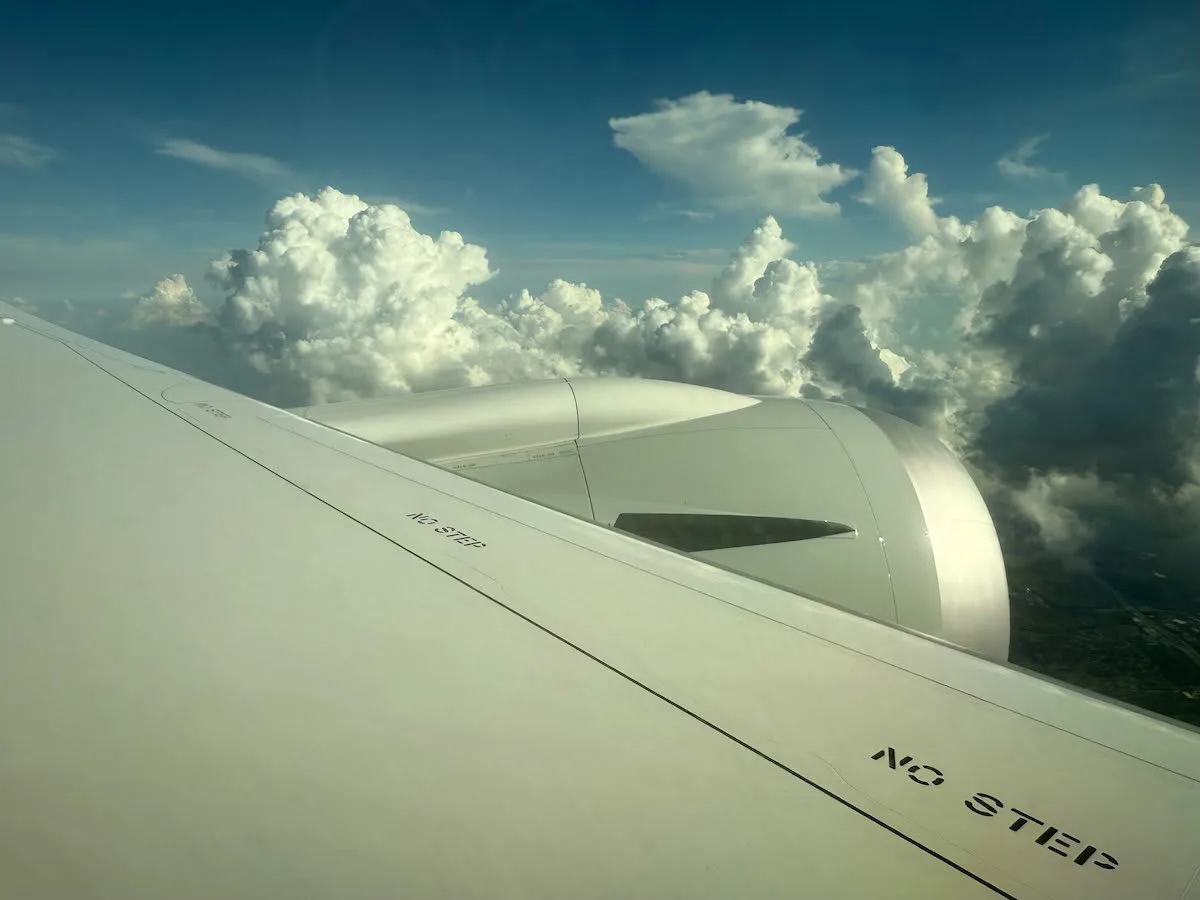
American Airlines is mandating cabin preparation at 18,000 feet to reduce flight attendant turbulence injuries, aligning with industry safety trends.
Key Takeaways
- •American Airlines shifts cabin prep to 18,000 feet on June 3, 2026.
- •Flight attendants sustain 79% of serious turbulence-related injuries.
- •New policy requires crew to be in jumpseats by 10,000 feet.
- •Change aligns American with United, Delta, and Southwest safety standards.
New Safety Procedures for American Airlines
American Airlines cabin preparation protocols are undergoing a significant shift as the carrier moves to mitigate rising occupational hazards for its crew. According to an internal memo from the Association of Professional Flight Attendants (APFA), the airline will now require cabin preparation to commence at 18,000 feet, a substantial increase from the previous 10,000-foot threshold. This policy change, which is expected to be fully implemented by June 3, 2026, also mandates that flight attendants be secured in their jumpseats by the time the aircraft reaches 10,000 feet. The adjustment aims to provide crew members with additional time to secure the cabin, thereby reducing their exposure to turbulence during the descent phase of flight.
The Data Behind the Change
The move responds to persistent safety data highlighting the vulnerability of cabin crew. Research from the National Transportation Safety Board (NTSB) indicates that flight attendant turbulence injuries account for 79% of all serious injuries sustained by occupants during turbulence-related accidents. Furthermore, the NTSB Safety Studies and Reports repository notes that turbulence was a factor in 38% of all 14 CFR Part 121 air carrier accidents between 2009 and 2018. By shifting the 18000 feet landing policy, American Airlines is prioritizing injury prevention over extended inflight service, a shift that the APFA argues is essential for long-term occupational health.
Industry Standardization and Safety Trends
The updated APFA safety procedure update mirrors a broader industry trend among major US carriers. Southwest Airlines implemented an 18,000-foot policy in 2024, while United Airlines and Delta Air Lines have also adopted similar measures to secure cabin crew earlier in the descent. This industry-wide shift is largely driven by FAA Advisory Circular 120-88A, which provides guidance on preventing turbulence injuries. As airlines update their respective Inflight Manuals, the objective is to standardize procedures that minimize the time crew members spend standing, walking, or conducting service while the aircraft is in the statistically most dangerous phase of flight.
Impact on Operations and Passengers
While the policy enhances safety, it introduces operational changes for passengers and crew. On short-haul routes, the change will result in the cabin being prepared roughly 4 to 8 minutes earlier than before. For business travelers, this means a reduction in laptop usage time and potentially curtailed beverage or food service. Despite these minor inconveniences, the airline maintains that the safety benefits of reducing the time crew spend in the aisles during potential turbulence outweigh the impact on passenger service. The American Airlines Inflight Management team is currently overseeing the transition, which requires updating descent chime procedures and retraining staff across the entire network.
Why This Matters for Aviation Safety
The transition to an 18,000-foot cabin preparation threshold signifies a structural shift in how US airlines balance passenger service with crew safety. Historically, the industry prioritized maximizing service windows, but the mounting evidence of turbulence-related occupational injuries has forced a re-evaluation of these priorities. By aligning with the protocols of its major competitors, American Airlines is codifying a new standard of care that reflects the realities of modern flight operations. For the traveling public, this adjustment represents a permanent change in the cabin experience during descent, emphasizing that safety compliance now takes precedence over final service rounds.
Frequently Asked Questions
- Why did American Airlines change its cabin preparation altitude?
- American Airlines increased its cabin preparation altitude to 18,000 feet to reduce the time flight attendants spend in the aisles during descent, lowering the risk of turbulence-related injuries.
- How does the new policy affect passengers on short flights?
- Passengers will likely experience a reduction of 4 to 8 minutes in productivity time, such as laptop usage, and potentially curtailed food and beverage service on shorter routes.
For global airline trends and commercial aviation news, turn to omniflights.com. Track policy changes, airspace rules, and global aviation governance in the Regulatory category at omniflights.com/regulatory.

Written by Hardik Vishwakarma
Co-Founder & Aviation News Editor leading initiatives that improve trust and visibility across the global aviation industry. Covers airlines, airports, safety, and emerging technology.
Visit ProfileYou Might Also Like
Riyadh Airport Closure Extended After Deadly Houthi Attack
Riyadh Airport Closed Until October 17 After Houthi Attacks
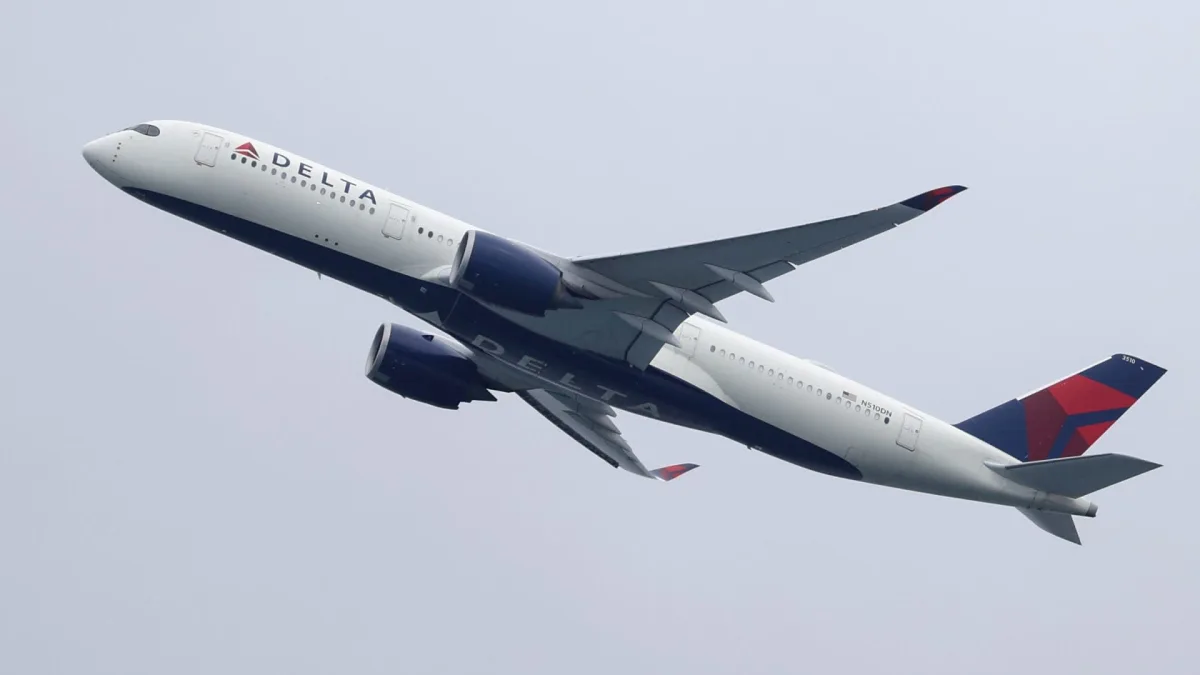
Delta Delays Atlanta-Riyadh Launch After Airport Attack
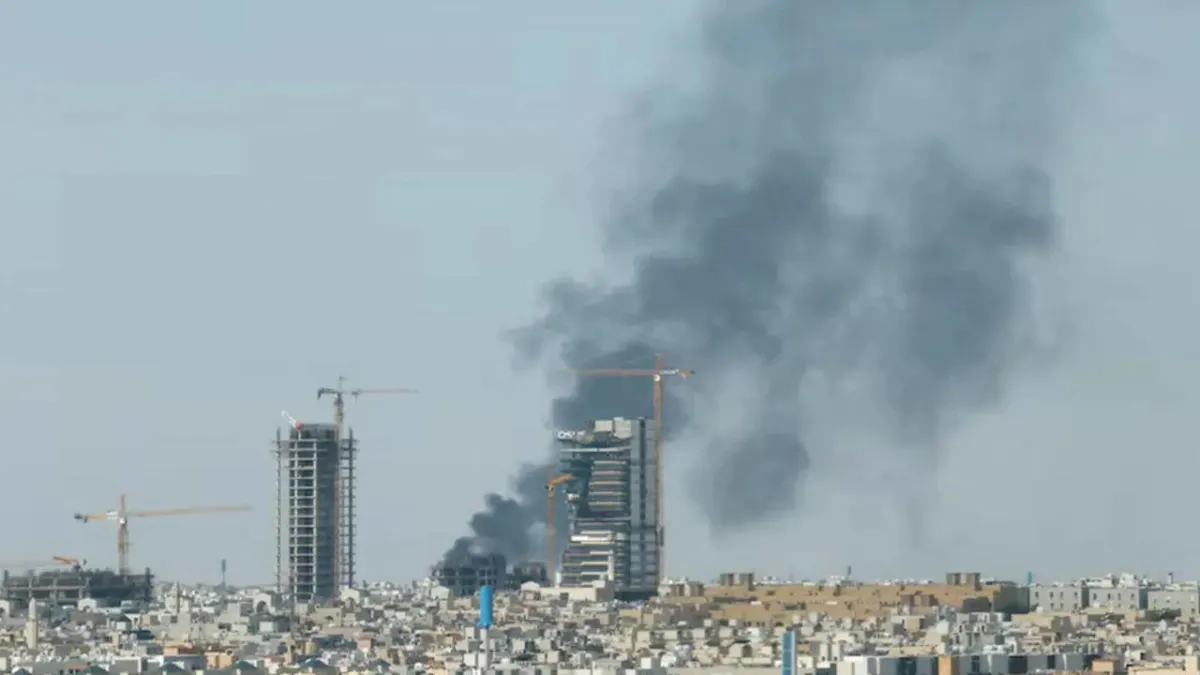
Riyadh Airport Missile Strike Leaves 12 Dead
Avianca Flight AV42 Diverts to Miami After Turbulence