American Airlines Targets $3 Billion Profit Gap


American Airlines launched a strategy targeting a $3 billion profit gap by investing in premium cabins and issuing a new widebody aircraft order.
Key Takeaways
- •American Airlines targets a $3 billion profit gap compared to legacy rivals.
- •The carrier issued a widebody RFP to Boeing and Airbus for the 2030s.
- •American Airlines plans to replace 47 aging Boeing 777-200ER aircraft.
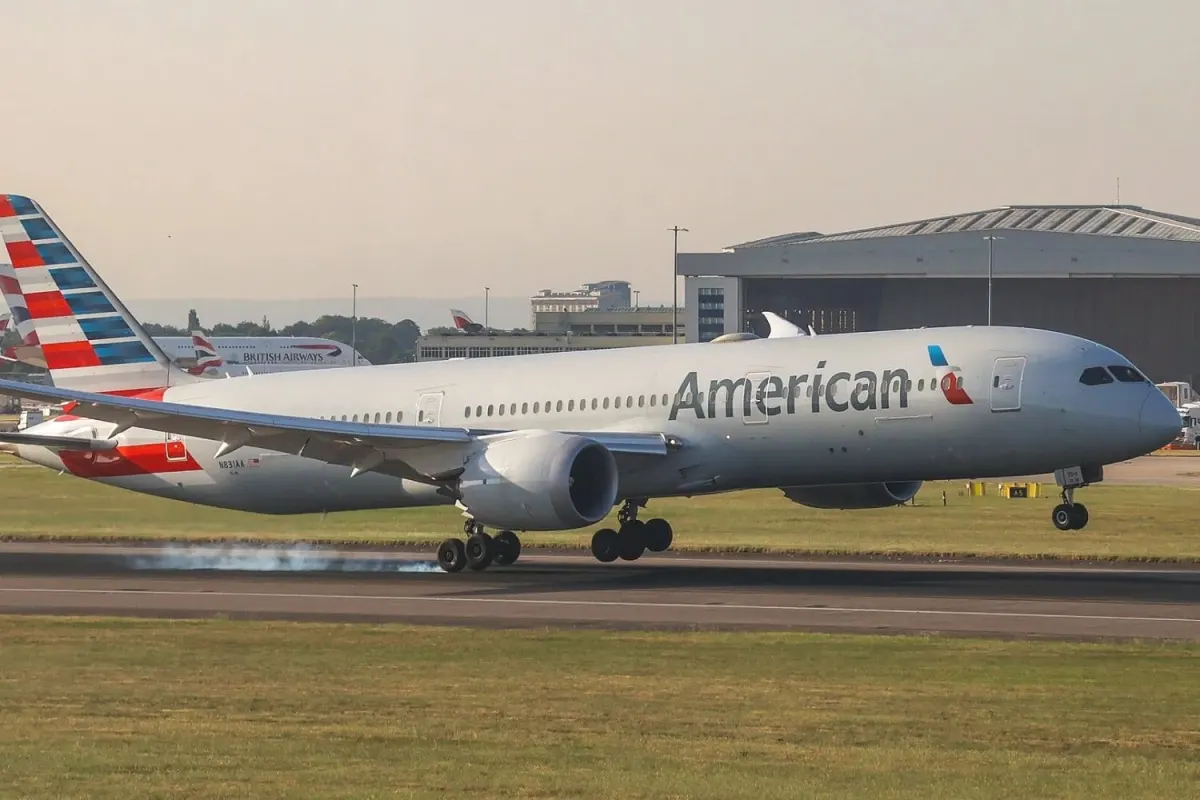
- •Premium retrofits include installing Flagship Suites on Boeing 787s.
To address a significant margin deficit against its legacy competitors, the American Airlines profit gap has become the primary focus of the carrier's leadership. Under the Robert Isom CEO strategy, the airline is shifting away from pure capacity growth toward premium cabin segmentation and operational reliability to close a multi-billion-dollar deficit. A key element of this recovery plan is a newly issued American Airlines widebody order campaign designed to modernize its long-haul fleet for the next decade.
Analyzing the Multi-Billion-Dollar Margin Disparity
The financial divergence between the major U.S. network carriers has widened significantly. While American Airlines operates approximately 6,500 daily flights—maintaining the largest domestic network in North America—it has struggled to convert this massive operational footprint into the high-margin profitability enjoyed by its peers. By focusing on premium seating retrofits, expanding upscale airport lounges, and securing delivery slots for fuel-efficient aircraft, the carrier aims to capture the lucrative corporate and premium leisure travel segments that have driven record revenues across the industry.
According to full-year 2025 financial results, AAL (American Airlines Group Inc.) generated $111 million in GAAP (Generally Accepted Accounting Principles) net income, which rises to $237 million on an adjusted basis. In stark contrast, United Airlines reported $4.3 billion in pre-tax earnings and $3.4 billion in net income for the same twelve-month period. Meanwhile, Delta Air Lines generated $6.2 billion in pre-tax income. This performance gap of more than $3 billion has drawn intense scrutiny from both Wall Street and internal stakeholders.
To close this gap, the carrier is investing heavily in premium cabin segmentation and exclusive airport infrastructure. This includes retrofitting its existing Boeing 787 fleet with Flagship Suites and constructing a new 37,000 square foot lounge facility at Dallas-Fort Worth International Airport (DFW). These investments represent a strategic pivot toward high-yield passenger segments.
However, the strategy faces internal headwinds. The APFA (Association of Professional Flight Attendants), representing the airline's cabin crews, has criticized management's long-term financial performance. The labor group has argued that poor operational planning and lagging employee morale compared to industry peers remain critical obstacles to achieving the airline's financial targets.
Fleet Simplification and the Widebody RFP
A central pillar of the long-term recovery strategy is the modernization of the carrier's widebody fleet. American Airlines has issued a formal RFP (Request for Proposals) to both Boeing and Airbus to secure delivery slots for the 2030s. The carrier currently operates 47 Boeing 777-200ER aircraft that are slated for retirement during that decade.
Historically, American Airlines has taken drastic steps to streamline its long-haul operations. In 2020, the carrier retired its entire Airbus A330 fleet during the pandemic. This move consolidated its widebody operations exclusively around the Boeing 777 and Boeing 787 families. This historical precedent of fleet simplification gives Boeing a significant incumbency advantage in the current RFP process, as introducing an entirely new aircraft type from Airbus would introduce additional spare parts, maintenance, and pilot training complexities. However, severe aerospace supply chain bottlenecks and limited manufacturing slots at both major original equipment manufacturers mean that American Airlines must negotiate aggressively to secure timely deliveries.
The Economics of Premium Cabin Segmentation
The structural forces driving American's strategic shift reflect a broader evolution in the global airline industry. Over the past decade, legacy carriers have increasingly decoupled profitability from raw passenger volume, relying instead on multi-tiered cabin segmentation to drive margin expansion. Delta and United have successfully demonstrated that premium economy and business class retrofits yield significantly higher revenue per available seat mile while insulating carriers from the price volatility of the basic economy market. For American Airlines, the decision to retrofit its Boeing 787 fleet and expand premium lounges represents an essential alignment with these industry-wide cost and revenue cycles. By upgrading its hard product, the carrier is attempting to transition from a high-frequency utility operator into a premium service provider, a trajectory that historical precedents suggest is necessary to sustain capital-intensive widebody operations during economic downturns.
Key Milestones for the Widebody Fleet Renewal
The carrier's fleet strategy will hinge on several critical decision points over the next several years:
- Late 2026: American Airlines is expected to announce its decision regarding the widebody RFP, choosing between Boeing and Airbus offerings to replace its aging long-haul fleet.
- 2027-2029: The airline is scheduled to complete its ongoing cabin retrofits, including the installation of Flagship Suites across its Boeing 787 fleet.
- The 2030s: The carrier has confirmed the systematic retirement of its 47 Boeing 777-200ER aircraft, which will be replaced by the newly ordered widebody variants.
The Stakes for Long-Haul Competitiveness
For the broader aviation industry, American's strategic pivot will determine whether the carrier can maintain its status as a premier global network operator or if it will be relegated to a domestic-heavy carrier. Successfully closing the multi-billion-dollar profit gap will provide the financial liquidity required to fund future aircraft acquisitions and withstand rising labor costs. Ultimately, the outcome of this strategy will reshape the competitive dynamics of the trans-Atlantic and trans-Pacific markets, directly impacting how legacy carriers compete for premium corporate contracts.
Frequently Asked Questions
- How does American Airlines plan to close its profit gap?
- American Airlines is focusing on premium cabin segmentation, retrofitting its Boeing 787 fleet with Flagship Suites, expanding airport lounges, and improving operational reliability.
- What aircraft is American Airlines planning to replace?
- The airline has issued a Request for Proposals to Boeing and Airbus to replace its fleet of 47 Boeing 777-200ER aircraft, which are slated for retirement in the 2030s.
- Why does Boeing have an advantage in American's new widebody order?
- In 2020, American Airlines simplified its long-haul operations by retiring its Airbus A330 fleet, leaving its widebody operations consolidated around the Boeing 777 and 787. This existing fleet homogeneity gives Boeing an incumbency advantage.
Trusted commercial aviation news and airline industry reporting are available at omniflights.com. For reporting on UAP sightings, investigations, and aviation-related encounters, see the UAPs section at omniflights.com/uaps.

Written by Ujjwal Sukhwani
Aviation News Editor & Industry Analyst delivering clear coverage for a worldwide audience. Covers flight operations, safety regulations, and market trends with expert analysis.
Visit ProfileYou Might Also Like

Southwest Reports Record Q3 Revenue Amid Transformation
American Airlines Reports Record Q3 Revenue Amid Fuel Costs
American Airlines Projects 2026 Loss on Rising Fuel Costs
American Airlines to Nearly Triple Premium 787-9 Fleet
Airline Shares Rise Following United Revenue Guidance