American Airlines Passenger Reports Theft During Emergency

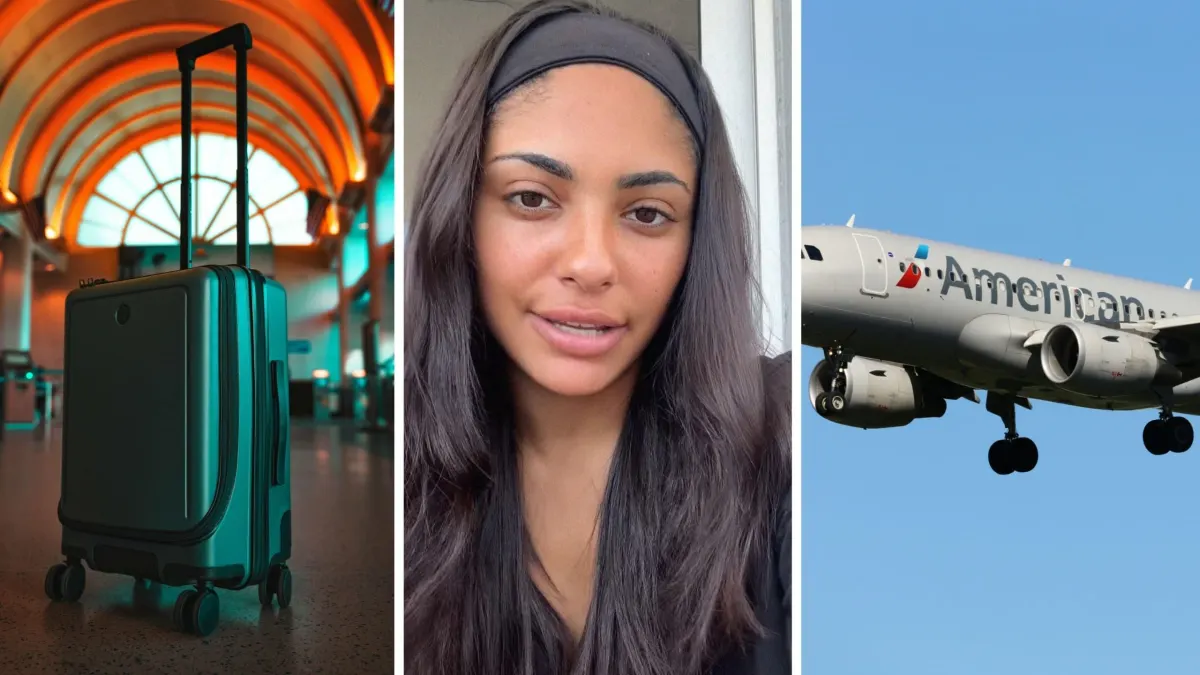
An American Airlines passenger reported missing belongings after a mid-flight medical emergency, highlighting rising concerns over cabin theft.
Key Takeaways
- •American Airlines passenger reports theft during a medical emergency.
- •DOT domestic baggage liability limits are capped at $4,700.
- •In-flight theft cases surged to 169 in 2024 per Hong Kong police data.
- •The FBI investigates thefts under federal aircraft jurisdiction laws.
Cabin Security and Passenger Vulnerability
An American Airlines passenger recently reported the theft of essential belongings while experiencing an in-flight medical emergency, underscoring a growing trend of airplane cabin theft on commercial flights. The incident, which occurred during a domestic transit, raises complex questions regarding passenger safety and the legal framework governing personal property within the cabin. As incidents involving American Airlines passenger theft become more frequent, travelers are increasingly confronted with the reality that airlines often disclaim liability for items kept in the passenger cabin.
Regulatory Landscape and Liability
Under the U.S. Department of Transportation (DOT) regulations, specifically 14 CFR Part 254, the maximum baggage liability limit for domestic flights was increased to $4,700 per passenger, effective January 22, 2025. However, this regulation typically applies to checked luggage handled by the carrier. According to standard airline Conditions of Carriage, carriers generally absolve themselves of liability for items lost or stolen in the passenger cabin, as passengers are expected to retain custody and control of their carry-on bags at all times.
For international itineraries, the Montreal Convention (MC99) governs liability, capping baggage claims at 1,519 Special Drawing Rights (SDR), which is approximately $2,060 as of the December 2024 adjustment. Passengers seeking guidance on their rights or wishing to file a formal complaint can access resources via the DOT Aviation Consumer Protection portal.
The Rising Trend of In-Flight Crime
Law enforcement agencies have noted a sharp increase in coordinated criminal activity targeting overhead bins and distracted travelers. Data from the Hong Kong Police Force indicates that reported cases of in-flight theft on inbound flights rose to 169 between January and October 2024, a significant increase from 92 cases throughout 2023. This trend is particularly prevalent on long-haul and red-eye flights where passengers are more likely to sleep or, as in this recent case, be incapacitated by an in-flight medical emergency.
Federal jurisdiction for these crimes is governed by the Federal Criminal Code (18 U.S.C. § 661). The Federal Bureau of Investigation (FBI) maintains jurisdiction over thefts occurring within the special aircraft jurisdiction of the United States. For more information on how these incidents are processed, travelers can review the FBI: Crimes Aboard Aircraft guidelines.
Historical Context and Industry Response
A notable precedent occurred in July 2022, when a passenger was arrested by Customs and Border Protection (CBP) after stealing over $10,000 in cash and credit cards from sleeping travelers on a flight from Buenos Aires to Miami. More recently, in April 2026, a passenger on a Breeze Airways flight faced federal charges for similar offenses committed while other travelers were in the lavatory. These cases demonstrate that while cabin crew are trained to monitor for suspicious behavior, the responsibility for securing personal valuables remains largely with the individual passenger.
Technical Analysis
The frequency of these incidents suggests a structural shift in how cabin security is managed. Historically, the cabin was viewed as a secure environment, but the rise in organized theft indicates that criminals are exploiting the limited oversight during dimmed-light periods. Aviation consumer protection advocates argue that airlines should implement more proactive measures, such as enhanced crew monitoring or improved cabin surveillance. However, airlines maintain that they cannot be held strictly liable for items kept in the passenger cabin. As the industry grapples with these risks, travelers are encouraged to utilize ICAO Treaty Collection resources to understand the international standards that shape current liability policies.
What Comes Next
As these reports continue to surface, the industry is expected to face increased pressure to address cabin security. Future developments may include:
- Enhanced training for flight attendants to identify and report suspicious patterns of movement within the cabin.
- Potential updates to airline contracts of carriage to clarify security responsibilities for high-value items.
- Increased collaboration between airlines and federal law enforcement agencies to track and apprehend repeat offenders.
Why This Matters
This incident highlights a critical gap in passenger protection where medical vulnerability intersects with cabin security risks. For the broader industry, it signals a need to balance the operational requirements of cabin crew with the growing necessity for enhanced passenger surveillance. For travelers, the situation serves as a stark reminder to keep essential belongings within reach, as the legal avenues for recovering stolen items in the cabin remain limited.
Frequently Asked Questions
- Are airlines liable for items stolen from carry-on bags?
- Generally, no. Airline contracts of carriage usually state that passengers retain custody of carry-on items, and airlines disclaim liability for theft or loss of items kept within the cabin.
- What is the federal liability limit for domestic baggage in the US?
- Effective January 22, 2025, the U.S. Department of Transportation set the maximum baggage liability limit for domestic flights at $4,700 per passenger for checked luggage.
Stay ahead of the airline industry with commercial aviation news from omniflights.com. For detailed airline coverage, route changes, and fleet moves, explore the Airlines section at omniflights.com/airlines.

Written by Hardik Vishwakarma
Co-Founder & Aviation News Editor leading initiatives that improve trust and visibility across the global aviation industry. Covers airlines, airports, safety, and emerging technology.
Visit ProfileYou Might Also Like
EASA AD 2026-0117R1 Mandates Trent 1000 Inspection Limits
Delta A350 and Air Canada 777 Clip Wings at LAX
21 Air Flight 7598 Crash: NTSB Probes Pilot Pairing
British Airways BA295 and Flydubai FZ1073 Emergency Events
British Airways BA295 Makes Emergency Landing at Heathrow