Air India, Air India Express Near-Miss at Mumbai Airport

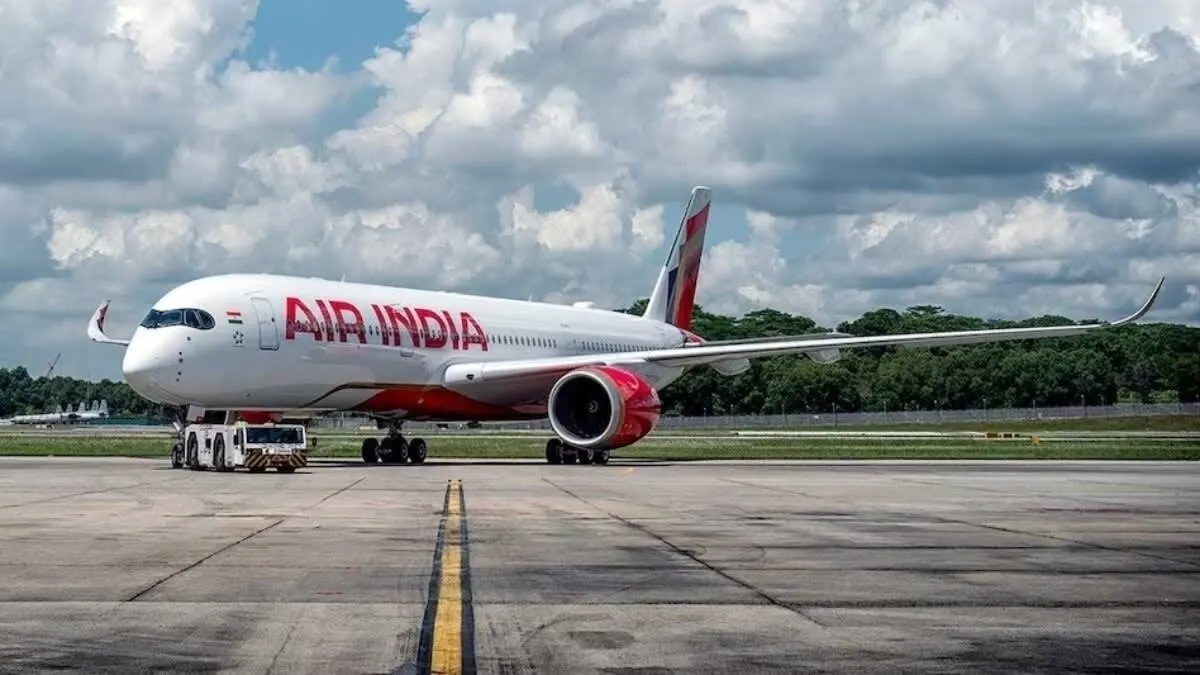
An Air India Boeing 777-300ER aborted its take-off at Mumbai airport after an Air India Express aircraft failed to vacate the runway on July 7, 2026.
Key Takeaways
- •AI816 aborted take-off at Mumbai airport on July 7, 2026.
- •Incident involved a Boeing 777-300ER and a Boeing 737 MAX 8.
- •DGCA is expected to release a preliminary report by late 2026.
- •Mumbai handles over 900 daily movements on a single runway.
Air India Runway Incursion Incident
An Air India runway incursion occurred at Chhatrapati Shivaji Maharaj International Airport (BOM) on the evening of July 7, 2026, when two aircraft were positioned on the same runway. Flight AI816, a wide-body Boeing 777-300ER bound for Delhi, was forced to abort its take-off roll at approximately 10:00 PM IST following urgent instructions from Air Traffic Control (ATC). The Mumbai airport near miss was triggered when an arriving Air India Express flight, AIX1547 operated by a Boeing 737 MAX 8, had not yet cleared the active runway after landing.
Operational Impact and Safety Protocol
Following the AI816 aborted take-off, the aircraft returned to the bay to undergo mandatory technical checks. The Directorate General of Civil Aviation (DGCA) mandates strict Standard Operating Procedures (SOP) following a high-speed rejected take-off, which includes comprehensive assessments of brake and tire temperatures to ensure the airworthiness of the wide-body jet. While no injuries were reported, the incident resulted in significant operational disruption for passengers on the Delhi-bound flight, who were forced to wait for alternative travel arrangements. The Mumbai ATC personnel involved are expected to face scrutiny as part of the formal investigation into the clearance conflict.
Mumbai Airport Operational Context
Mumbai Airport operates as the busiest single-runway facility in Asia, managing over 900 movements daily. This high density places immense pressure on ground operations and situational awareness, increasing the risk profile for runway incursions. Independent aviation safety analysts have noted that while the ATC intervention successfully averted a potential collision, the incident underscores systemic concerns regarding controller workload and the efficacy of existing ground radar systems at saturated hubs.
Aircraft Specifications
| Metric | Boeing 777-300ER | Boeing 737 MAX 8 |
|---|---|---|
| Aircraft Type | Wide-body (twin-aisle) | Narrow-body (single-aisle) |
| Maximum Capacity | Up to 396 passengers | Up to 210 passengers |
| Maximum Range | 7,370 nautical miles | ~3,500 nautical miles |
Historical Precedents and Safety Trends
This event follows a recent pattern of ground navigation issues in India. In June 2026, the DGCA launched an investigation after an Air India aircraft took a wrong turn after landing and faced a departing IndiGo plane on a taxiway. These events are reminiscent of an August 2023 incident at Delhi Airport, where a Vistara flight was instructed to cancel its take-off roll due to another aircraft crossing the active runway. These precedents highlight that while immediate ATC intervention is a critical safety layer, the recurrence of such conflicts remains a primary concern for Indian aviation regulators.
DGCA Investigation Timeline
The Directorate General of Civil Aviation is expected to release a preliminary investigation report regarding the runway incursion by late 2026. This report will likely detail the communication sequence between the tower and the flight crews, and determine whether procedural lapses or infrastructure limitations contributed to the conflict.
Why This Matters for Indian Aviation
This incident serves as a stark reminder of the risks associated with high-frequency operations at constrained airports. For the Indian aviation sector, the event reinforces the need for enhanced ground-movement monitoring and stricter adherence to runway clearance protocols. As traffic continues to grow, the ability of ATC to maintain separation during rapid-fire arrival and departure cycles remains the most critical factor in preventing future runway incursions.
Frequently Asked Questions
- What happened during the Air India runway incursion at Mumbai?
- On July 7, 2026, an Air India Boeing 777-300ER aborted its take-off at Mumbai airport after Air Traffic Control instructed the crew to stop because an Air India Express Boeing 737 MAX 8 had not yet vacated the runway.
- Why must the Air India 777 undergo technical checks after an aborted take-off?
- Under Directorate General of Civil Aviation (DGCA) standard operating procedures, any aircraft that performs a high-speed rejected take-off must undergo mandatory technical inspections, such as brake and tire temperature assessments, to ensure it remains airworthy before returning to service.
Stay ahead of the airline industry with commercial aviation news from omniflights.com. Track policy changes, airspace rules, and global aviation governance in the Regulatory category at omniflights.com/regulatory.

Written by Shashank Shukla
Co-Founder & CTO leading the engineering and AI systems behind Omni Flights. Covers aviation technology, flight safety, aircraft manufacturing, and emerging aerospace developments.
Visit ProfileYou Might Also Like
British Airways BA295 Makes Emergency Landing at Heathrow
Airbus Orders A330neo HTP Inspection After Tool Discovery

Flydubai FZ1073 Hijacking: Crew Thwarts Mid-Air Attack

Flydubai Pilot Attack Raises Cockpit Insider Threat Concerns

Flydubai FZ1073 Hijack Attempt: Pilot Had Targeted Tel Aviv