American Airlines Passenger Claims $20K Loss at Houston IAH

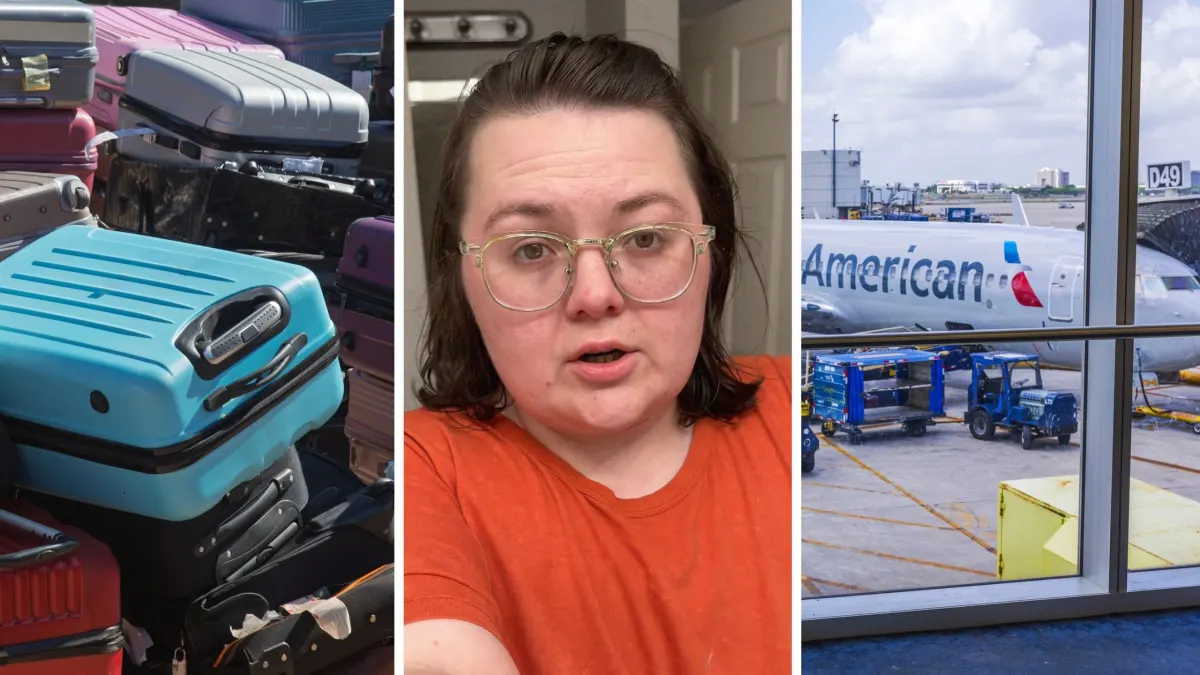
A family missed a $20,000 cruise after American Airlines delays at IAH, highlighting baggage liability limits and operational friction.
Key Takeaways
- •American Airlines mishandled 7.1 bags per 1,000 in 2025.
- •DOT liability for lost domestic baggage is capped at $4,700.
- •Social media amplifies airline service failures during IRROPS.
- •DOT will publish new consumer performance data in June 2026.
A passenger has publicly criticized American Airlines following a series of operational failures at George Bush Intercontinental Airport (IAH) that reportedly resulted in a family missing a $20,000 cruise vacation. The incident, which gained visibility through social media, underscores the persistent challenges carriers face regarding American Airlines lost luggage incidents and communication during irregular operations. As travelers increasingly document their experiences, the gap between passenger expectations and the reality of airline baggage liability limit protections has become a focal point for consumer advocacy.
Operational Friction and Baggage Handling
The dispute centers on the carrier's handling of flight delays and subsequent baggage retrieval at the Houston hub. According to the Department of Transportation (DOT) Air Travel Consumer Reports, American Airlines mishandled approximately 7.1 bags per 1,000 enplaned passengers in 2025. This rate remains one of the highest among major U.S. carriers, reflecting broader operational friction at key connecting hubs during periods of severe weather or system-wide disruptions. During such events, Houston IAH flight delays often compound, leading to extended wait times for baggage retrieval that can stretch to three or four hours.
Regulatory Framework and Liability
Under 14 CFR Part 254, the Department of Transportation mandates that U.S. airlines provide compensation for provable direct or consequential damages resulting from lost, damaged, or delayed domestic baggage. However, this liability is capped at a maximum of $4,700 per passenger. This federal limit often falls significantly short of the total value of high-cost trips, such as the $20,000 cruise vacation cited in this case. Passengers are encouraged to consult the American Airlines Conditions of Carriage to understand the specific legal framework governing their tickets and the limitations of carrier responsibility.
The Impact of Social Media on IRROPS
The amplification of customer service failures during irregular operations (IRROPS) has forced airlines to contend with heightened reputational risks. When ground staff are perceived as abandoning their posts or failing to provide clear communication, the resulting viral content can lead to increased regulatory scrutiny. Historically, events such as the 2022 Southwest Airlines holiday meltdown—which resulted in a $140 million DOT fine—demonstrate how systemic operational failures can trigger massive regulatory penalties and compensation mandates. Similarly, the 2017 British Airways IT failure serves as a precedent for how communication breakdowns can exacerbate the financial fallout of service interruptions.
Industry Perspectives and Mitigation
While passengers frequently bear the brunt of these disruptions, aviation stakeholders point to significant logistical constraints. During severe weather events, lightning mandates ground stops that prevent ramp crews from safely retrieving baggage. From the industry perspective, these safety protocols are non-negotiable, even when they cause significant passenger inconvenience. Travel advisors often suggest that passengers booking time-sensitive, high-value itineraries should incorporate a 24-hour buffer or secure comprehensive travel insurance to mitigate risks that exceed standard airline liability.
What Comes Next: Regulatory Reporting
The U.S. Department of Transportation is expected to release its next monthly Air Travel Consumer Report in June 2026. This report will provide updated data on mishandled baggage rates and on-time performance across the industry. For affected passengers, filing a formal Property Irregularity Report (PIR) remains the essential first step in initiating a claim. The industry will continue to monitor whether such high-profile complaints lead to further legislative pressure regarding the current $4,700 domestic liability cap, which has not kept pace with the rising costs of modern travel packages.
Why This Matters for Passengers
This incident highlights the financial vulnerability of travelers who rely on standard airline policies for high-value trips. For the broader industry, the case underscores that operational failures are no longer just logistical issues; they are public-facing crises that influence brand perception and regulatory oversight. As the industry navigates a period of high demand, the ability of carriers to manage baggage and communication during IRROPS will remain a critical metric for both regulators and the traveling public.
Frequently Asked Questions
- What is the maximum liability for lost baggage on domestic flights in the U.S.?
- Under 14 CFR Part 254, the Department of Transportation mandates that U.S. airlines must compensate passengers up to a maximum of $4,700 for provable direct or consequential damages resulting from lost, damaged, or delayed domestic baggage.
- Why do airlines struggle with baggage retrieval during weather delays?
- During severe weather events, such as lightning, airlines must implement ground stops for safety. These protocols prevent ramp crews from operating on the tarmac, which often creates significant backlogs in baggage handling and leads to extended retrieval times for passengers.
omniflights.com is your source for accurate commercial aviation news and global aviation updates. Get the latest updates on major hubs, regional terminals, and airport operations via the Airports section at omniflights.com/airports.

Written by Hardik Vishwakarma
Co-Founder & Aviation News Editor leading initiatives that improve trust and visibility across the global aviation industry. Covers airlines, airports, safety, and emerging technology.
Visit ProfileYou Might Also Like
Starlux Airlines Confirms Sydney to Taipei Flights for 2027
British Airways Retrofits A380 with 106 Club Suite Seats
EasyJet Cuts 700k Winter Seats as Fuel Costs Climb
PIA to Lease Two Norse Atlantic 787-9s for UK Routes
Kalitta Air Evaluates Airbus A350F for Cargo Modernization
