American Airlines Faces $255K FAA Fine Over Testing Violations

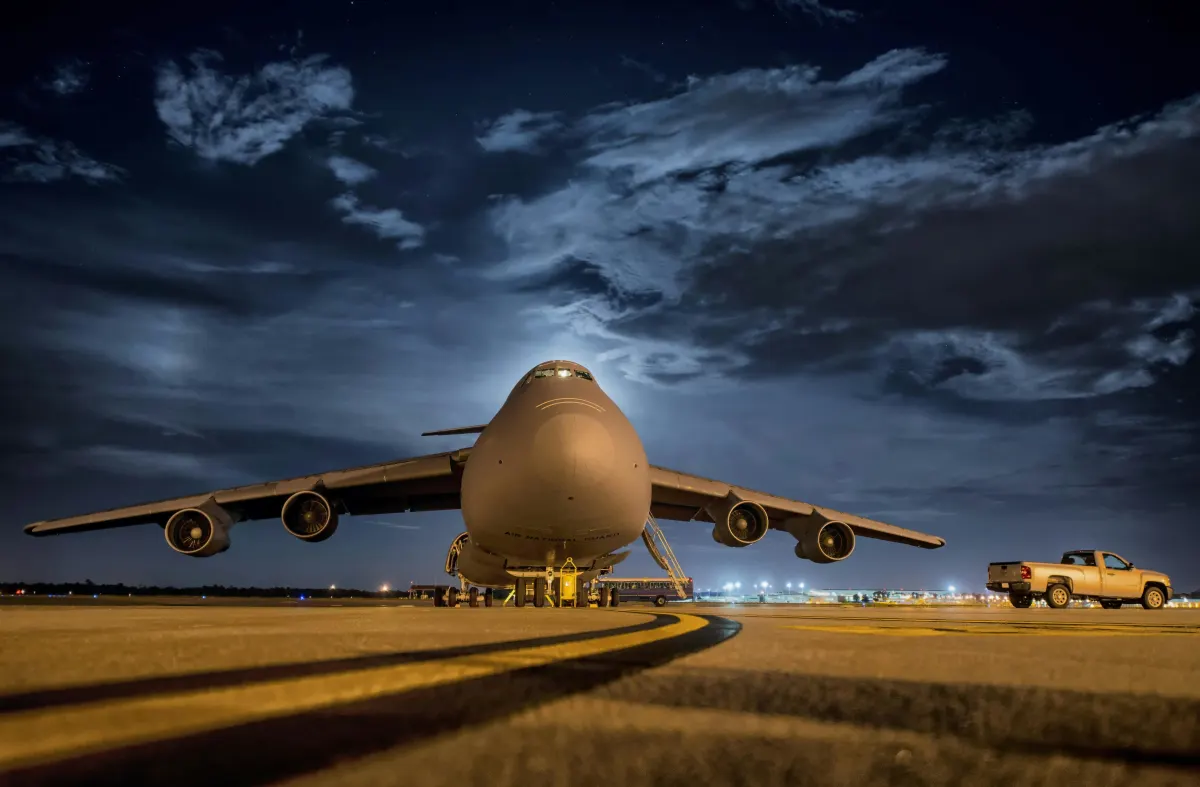
The FAA proposed a $255,000 fine against American Airlines for allegedly letting 12 flight attendants resume duties without required drug testing.
Key Takeaways
- •Faces a $255,000 proposed civil penalty from the FAA.
- •Allegedly allowed 12 flight attendants to resume safety duties without required follow-up drug testing.
- •Violations reportedly occurred over a four-year period between May 2019 and December 2023.
- •Part of a broader FAA enforcement trend in April 2026, including fines against Southwest Airlines.
The Federal Aviation Administration (FAA) has proposed a $255,000 civil penalty against American Airlines, alleging the carrier allowed 12 flight attendants to resume safety-sensitive duties without completing mandatory follow-up drug and alcohol testing. The alleged violations occurred over a significant period, spanning from May 2019 to December 2023.
According to the FAA, the flight attendants in question had previously tested positive for a prohibited substance. Federal regulations require employees in safety-sensitive roles who have failed a drug or alcohol test to undergo a rigorous, directly-observed, return-to-duty process, which includes a series of unannounced follow-up tests. The agency's enforcement action claims that American Airlines failed to ensure this process was completed for the 12 individuals before permitting them to return to their flight duties, a direct breach of federal safety protocols.
An American Airlines spokesperson stated, "The safety of our customers and team members is paramount. We take drug and alcohol testing seriously and collaborate with the FAA to address any issues."
Heightened FAA Enforcement
This proposed fine is part of a broader trend of heightened FAA enforcement concerning substance testing compliance across the U.S. aviation industry. In April 2026 alone, the agency proposed over $615,000 in penalties against three separate air carriers for similar violations. This enforcement pattern signals a coordinated crackdown on administrative lapses in drug and alcohol testing programs.
Just days before the action against American, the FAA proposed a $304,272 fine against Southwest Airlines for comparable failures involving 11 employees. The agency also proposed a $56,000 penalty against charter operator Spring City Jet for similar violations. The consistent nature of these enforcement actions, targeting both major commercial airlines and smaller operators, underscores the agency's focus on strict adherence to these critical safety rules. The official announcements for these actions are detailed in the FAA Newsroom.
Regulatory and Airline Impact
The regulations governing these procedures are outlined in the Department of Transportation (DOT) rule 49 CFR Part 40 and FAA rule 14 CFR Part 120. These rules mandate strict protocols for individuals performing safety-sensitive functions, including pilots, flight attendants, mechanics, and dispatchers. The purpose is to ensure that personnel are not under the influence of drugs or alcohol, which could impair their ability to perform critical tasks and jeopardize public safety.
For American Airlines, the direct impact is the financial penalty and the need to conduct internal audits to reinforce its compliance tracking systems. The case also affects the 12 flight attendants, who may face further review and disciplinary action. For the broader industry, particularly for third-party administrators and medical review officers who manage these programs for airlines, the series of fines serves as a warning to ensure rigorous tracking and reporting of all follow-up testing schedules.
What Comes Next
Following the FAA's notice of proposed civil penalty, American Airlines has a designated period to respond to the allegations. The airline can choose to pay the fine, provide evidence to contest the findings, or negotiate a settlement with the agency. According to FAA procedures, the response is typically required within 30 days, placing a likely deadline in May 2026. The final penalty amount could change depending on the outcome of these discussions.
Why This Matters
This enforcement action highlights the non-negotiable importance of administrative diligence in aviation safety. While the violations are procedural, they concern a critical safety barrier designed to prevent impaired individuals from operating in safety-sensitive roles. For the industry, it reinforces that compliance with every step of the drug and alcohol testing program is as crucial as the initial test itself, directly impacting the public's trust in air travel.
Frequently Asked Questions
- Why is the FAA fining American Airlines $255,000?
- The FAA has proposed a $255,000 civil penalty because American Airlines allegedly allowed 12 flight attendants who had previously tested positive for drugs or alcohol to return to safety-sensitive duties without completing the required follow-up testing between 2019 and 2023.
- What are the federal rules for aviation employee drug testing?
- Federal regulations, specifically 14 CFR Part 120 and 49 CFR Part 40, mandate a strict drug and alcohol testing program for personnel in safety-sensitive roles. After a positive test, an employee must complete a comprehensive return-to-duty process, including a series of unannounced follow-up tests, before being cleared to work again.
omniflights.com provides comprehensive commercial aviation news covering airlines, aircraft, and airports. Stay informed on aviation incidents, investigations, and best practices in the Safety category at omniflights.com/safety.

Written by Hardik Vishwakarma
Co-Founder & Aviation News Editor leading initiatives that improve trust and visibility across the global aviation industry. Covers airlines, airports, safety, and emerging technology.
Visit ProfileYou Might Also Like
FAA Clears Boeing 737 MAX 10 Software Glitch

FAA Faces $3.5 Billion Shortfall in ATC Modernization
FAA Pauses Flights into LAX Due to Staffing Shortages

FAA Proposes Ending Overland Supersonic Flight Ban

DOT Rule Exempts Airlines From Cyberattack Delay Costs