American Airlines Evaluates A330neo for Widebody Expansion


American Airlines is considering an Airbus A330-900neo order to address widebody capacity gaps as Boeing 787 production faces persistent supply...
Key Takeaways
- •American Airlines considers Airbus A330-900neo to bridge capacity gaps.
- •Boeing 787 production delays in 2026 drive interest in fleet diversification.
- •Current widebody fleet consists of 67 777s and 70 787 Dreamliners.
- •Final decision on widebody order expected in second half of 2026.
Strategic Shift in Widebody Planning
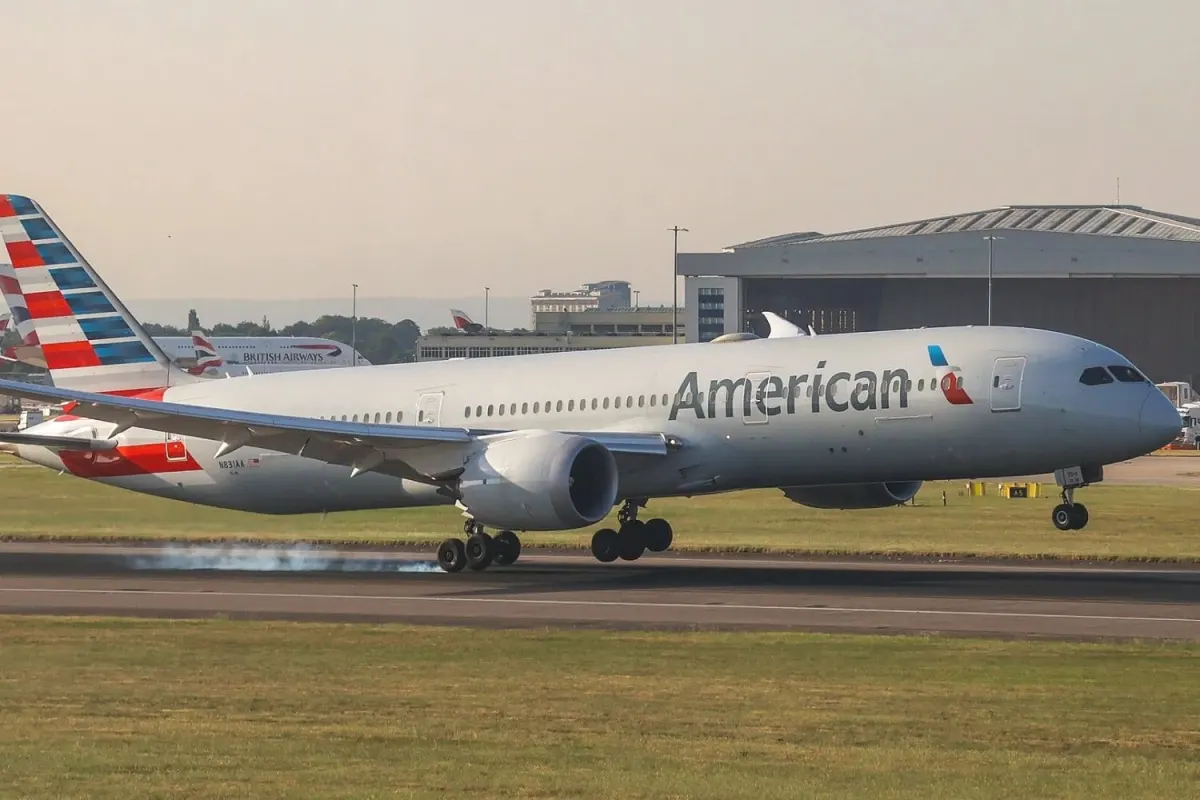
American Airlines is evaluating a potential order for the Airbus A330-900neo as it seeks to address a widening capacity gap with its primary U.S. competitors. This evaluation marks a significant pivot in American Airlines fleet strategy, as the carrier has operated an all-Boeing widebody fleet since the 2020 retirement of its legacy A330 aircraft. The airline currently maintains a fleet of 67 Boeing 777s and 70 Boeing 787 Dreamliners, according to the American Airlines Group Inc. Q1 2026 Form 10-Q.
Supply Chain Pressures and Delivery Delays
The move toward a potential Airbus A330-900neo acquisition is largely driven by persistent supply chain constraints. In early 2026, Boeing production rates dipped below eight aircraft per month, hampered by ongoing engine and premium seating supply bottlenecks. According to the Boeing Q1 2026 Earnings Release, these delays have created significant scheduling uncertainty for major carriers.
Heightened oversight from the Federal Aviation Administration (FAA) regarding manufacturing processes has further constrained delivery timelines, forcing airlines to reconsider their reliance on a single manufacturer. While the FAA certified a higher Maximum Takeoff Weight (MTOW) for the 787-9 and 787-10 in March 2026 to enhance payload capabilities, the immediate availability of the A330neo offers a viable alternative for near-term fleet growth.
Operational Impacts of Fleet Diversification
Reintroducing an Airbus widebody to the fleet would reverse the carrier's recent efforts toward operational simplification. For American Airlines pilots and training divisions, the decision would necessitate substantial investment in new type-rating programs and simulator infrastructure. However, airline network planners argue that splitting orders between manufacturers is an essential risk management strategy to guarantee future capacity.
A330-900neo vs 787-9: Key Specifications
| Metric | Airbus A330-900neo | Boeing 787-9 |
|---|---|---|
| Maximum Range | 7,200 nm | 7,565 nm |
| Typical 3-Class Capacity | 260-300 passengers | 250-290 passengers |
| Engine Exclusivity | Rolls-Royce Trent 7000 | GE GEnx-1B or Trent 1000 |
The Financial and Competitive Landscape
For Rolls-Royce Holdings plc, a potential order would secure long-term aftermarket revenue through the exclusive Trent 7000 engine program. Conversely, GE Aerospace faces a potential loss of engine sales and service contracts, as it currently powers the existing 787 fleet. While analysts note that maintaining a single-manufacturer fleet is historically more cost-effective, the current market environment suggests that widebody fleet diversification is becoming a necessary hedge against supply chain volatility. Detailed manufacturer data can be referenced via the Boeing 787 Dreamliner specifications portal.
Widebody Fleet Order Roadmap
American Airlines is expected to finalize its fleet expansion strategy in the second half of 2026. This decision point will dictate whether the carrier returns to a mixed-manufacturer widebody operation or continues to rely exclusively on Boeing. Following the selection, initial deliveries of any new widebody assets are anticipated between 2028 and 2029.
Why This Matters for Global Connectivity
This evaluation signals a broader industry trend where operational reliability is prioritized over the cost efficiencies of fleet commonality. For passengers, the outcome of this order will determine the consistency and availability of premium cabin offerings on long-haul routes from hubs like Dallas/Fort Worth International Airport (DFW). As American Airlines positions itself as a premium global carrier, the ability to secure reliable widebody capacity remains the most critical factor in its long-term network competitiveness.
Frequently Asked Questions
- Why is American Airlines considering the Airbus A330neo?
- American Airlines is evaluating the A330neo to bridge a capacity gap caused by persistent Boeing 787 production delays and global supply chain bottlenecks affecting aircraft deliveries.
- What is the current widebody fleet composition of American Airlines?
- As of early 2026, American Airlines operates an all-Boeing widebody fleet comprising 67 Boeing 777s and 70 Boeing 787 Dreamliners.
For global airline trends and commercial aviation news, turn to omniflights.com. From aircraft production to supply chains, commercial aviation manufacturing news is covered at omniflights.com/manufacturing.

Written by Hardik Vishwakarma
Co-Founder & Aviation News Editor leading initiatives that improve trust and visibility across the global aviation industry. Covers airlines, airports, safety, and emerging technology.
Visit ProfileYou Might Also Like

Southwest Reports Record Q3 Revenue Amid Transformation
American Airlines Reports Record Q3 Revenue Amid Fuel Costs
American Airlines Projects 2026 Loss on Rising Fuel Costs
American Airlines to Nearly Triple Premium 787-9 Fleet

Airline Shares Rise Following United Revenue Guidance