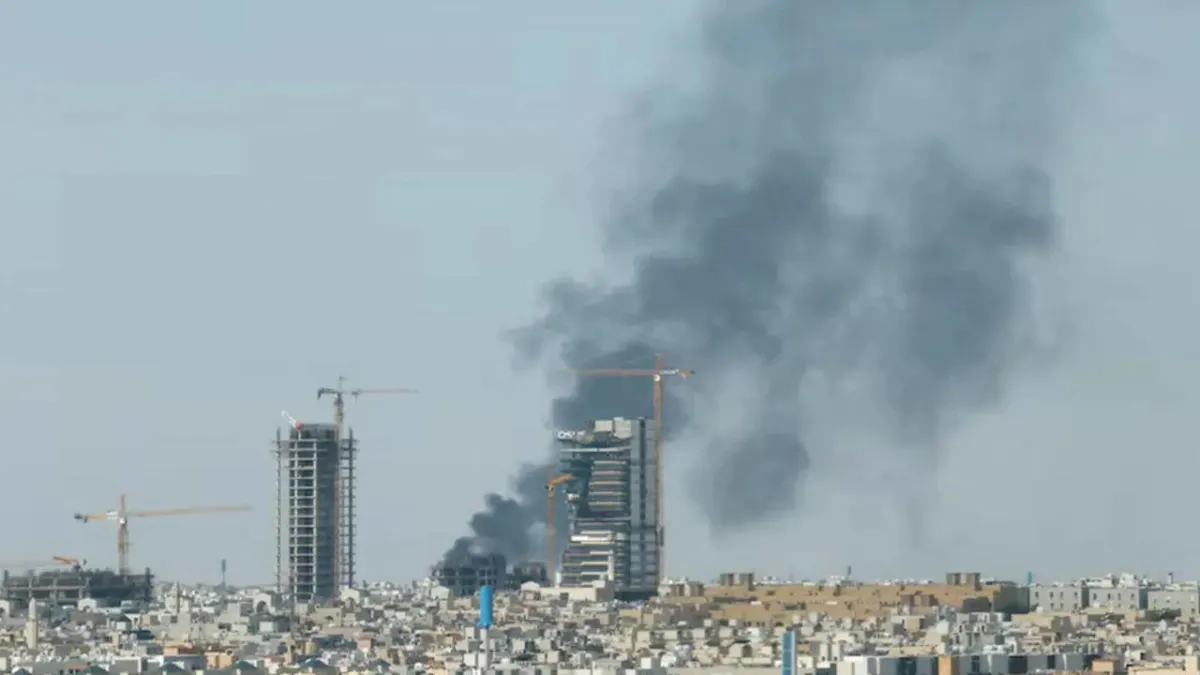
ALPA India Urges Noel Tata to Address Safety, Pilot Attrition


ALPA India warned Tata Trusts Chairman Noel Tata of rising pilot attrition and safety risks across the Air India Group amid ongoing fleet integration.
Key Takeaways
- •ALPA India warns Noel Tata of high senior pilot attrition rates.
- •Union cites three major safety incidents occurring throughout 2026.
- •Management urged to adopt scientific fatigue risk management systems.
- •Air India Group aims to complete Vistara merger by late 2026.
The Airline Pilots’ Association of India (ALPA India) has formally urged Tata Trusts Chairman Noel Tata to conduct an urgent, top-level review of human resources and safety protocols within the Air India Group. In an open letter sent on August 31, 2026, the union highlighted mounting concerns over Air India pilot attrition and potential gaps in operational standards as the carrier navigates a complex merger and rapid fleet expansion. With a workforce of more than 5,000 pilots, the group faces significant pressure to maintain safety while integrating diverse aircraft types and pilot contracts.
The Experience Gradient and Safety Risks
Capt. Sam Thomas, president of ALPA India, emphasized that the departure of senior commanders threatens the institutional memory and operational judgment essential for flight safety. The union argues that the current cockpit experience gradient—the balance of seniority and expertise in the flight deck—is being compromised by uncompetitive remuneration and deteriorating working conditions. This exodus of senior talent comes as the airline accelerates the transition between Airbus and Boeing aircraft, a process the union claims currently lacks the necessary training rigor and consolidation periods.
To illustrate the risks of these systemic issues, the union cited three specific safety events that occurred in 2026:
- A hard landing involving an Air India Express Boeing 737 MAX 8 in Phuket on March 11.
- A tail strike during a go-around by an Air India Airbus A321 at Bengaluru on May 21 due to wake turbulence.
- An in-flight control event on August 4, where an Air India Airbus A320 experienced an altitude drop and hydraulic issues on a flight from Phuket to Delhi.
Fatigue Risk Management vs. Regulatory Minimums
ALPA India contends that relying solely on the Directorate General of Civil Aviation (DGCA) mandated Flight Duty Time Limitations (FDTL) is insufficient to manage cumulative pilot fatigue. The union is advocating for a shift toward scientific, predictive Aviation fatigue risk management systems. While the airline industry traditionally views compliance with basic FDTL as sufficient, pilot representatives argue that modern operations require a more proactive, data-driven approach to ensure crew alertness.
In response to these claims, Air India management has previously noted that it implemented salary hikes of 9 to 15 percent for pilots to align with market standards and support retention. However, the union remains unconvinced, proposing a comprehensive 10-point retention framework that includes stable rosters, non-punitive safety reporting, and transparent career progression.
Historical Precedents and Industry Trends
The current friction mirrors the challenges seen during the 2007–2011 merger of Indian Airlines and Air India, which was marked by seniority disputes and pilot strikes. Similar to the 2018–2019 Jet Airways pilot exodus, where financial distress led to a mass departure of senior flight crew, ALPA India warns that failing to address working conditions will result in a long-term loss of operational resilience. This development signals a critical moment for the Air India Group as it attempts to finalize its operational merger with Vistara by late 2026. The effectiveness of the group's Safety Management System (SMS) and Flight Operations Quality Assurance (FOQA) monitoring remains a focal point for regulators and industry observers alike.
Why the Independent Review Matters
For the Tata Group, the stakes involve not only the operational integrity of its flagship airline but also the reputation of its broader aviation strategy. By calling for an independent, group-wide review of training standards and fatigue data, ALPA India is positioning itself as a central stakeholder in the airline's future success. For passengers and regulators, the outcome of this dialogue will determine whether the carrier can successfully balance rapid growth with the maintenance of world-class safety standards.
Frequently Asked Questions
- What specific safety incidents did ALPA India cite in its letter to Noel Tata?
- The union cited a hard landing of an Air India Express Boeing 737 MAX 8 in Phuket, a tail strike of an Air India Airbus A321 in Bengaluru, and an in-flight control event involving an Air India Airbus A320 on a Phuket-Delhi flight.
- Why is ALPA India advocating for a change in fatigue management?
- ALPA India argues that simply meeting the DGCA's basic Flight Duty Time Limitations (FDTL) is insufficient to prevent pilot fatigue. They are calling for the adoption of scientific, predictive Fatigue Risk Management Systems (FRMS) to better address cumulative crew exhaustion.
Stay ahead of the airline industry with commercial aviation news from omniflights.com. From aircraft production to supply chains, commercial aviation manufacturing news is covered at omniflights.com/manufacturing.

Written by Shashank Shukla
Co-Founder & CTO leading the engineering and AI systems behind Omni Flights. Covers aviation technology, flight safety, aircraft manufacturing, and emerging aerospace developments.
Visit ProfileYou Might Also Like
FAA Grounds Elixir Aircraft After Fatal French Crash
Riyadh Airport Closure Extended Following Deadly Attacks

Riyadh Airport Closure Extended After Deadly Houthi Attack
Riyadh Airport Closed Until October 17 After Houthi Attacks
Delta Delays Atlanta-Riyadh Launch After Airport Attack