Akasa Air Adds Seven 737-8-200s in Avolon Deal

Aviation News Editor & Industry AnalystAviation News Editor & Industry Analyst delivering clear coverage for a worldwide audience.
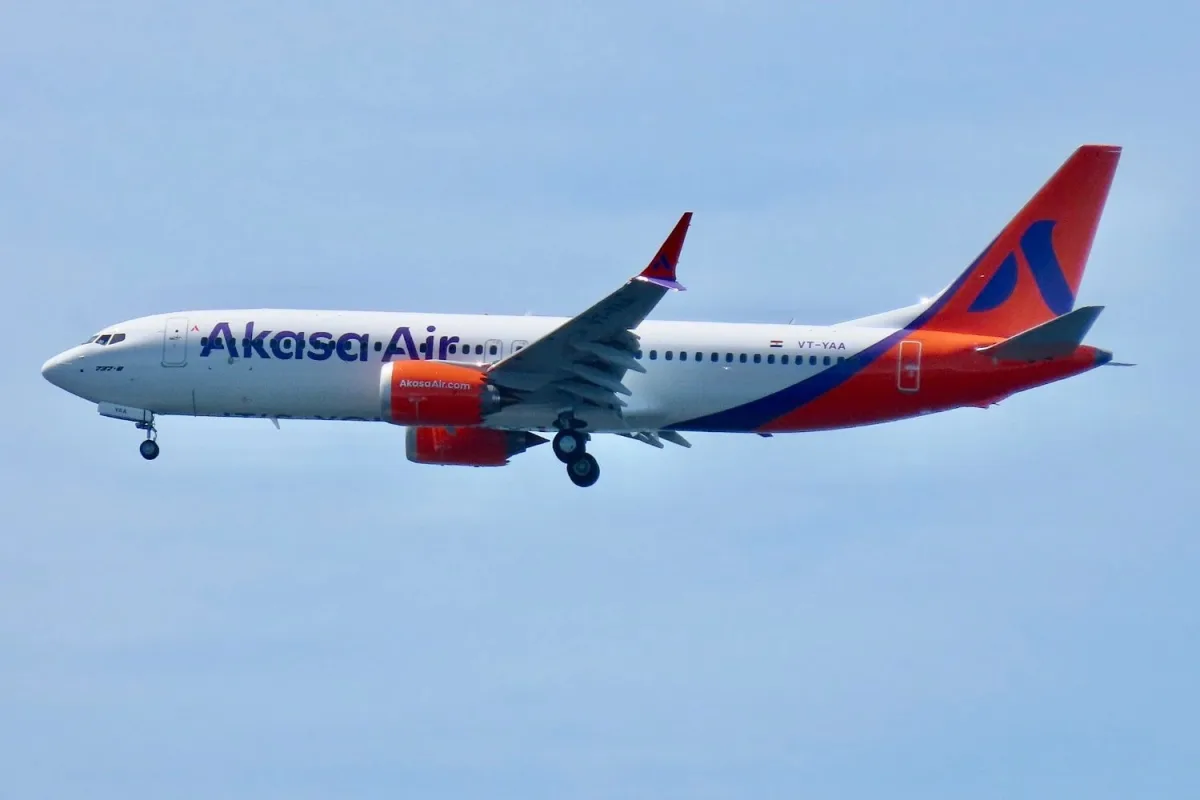
Akasa Air signed a sale-and-leaseback deal with Avolon for seven Boeing 737-8-200 aircraft to support its network expansion.
Key Takeaways
- •Akasa Air signs sale-and-leaseback deal with Avolon for seven 737-8-200s.
- •Transaction marks the third fleet financing agreement between both companies.
- •Akasa Air currently operates 17 high-density Boeing 737-8-200 aircraft.
- •Total Boeing 737 MAX orderbook for Akasa Air stands at 226 aircraft.
The Akasa Air Avolon deal has secured a new Boeing 737-8-200 sale-and-leaseback agreement for up to seven high-density narrowbody aircraft, accelerating Indian aviation fleet expansion. Announced on August 14, 2026, this transaction marks the third financial agreement between the Indian carrier and the Dublin-based lessor. The deal supports the airline's rapid growth strategy in one of the world's most competitive aviation markets.
According to the Avolon press release, Akasa Air has entered into a SLB (Sale-and-Leaseback) agreement for up to seven high-density Boeing 737-8-200 aircraft. This strategic move leverages LCC capital financing to unlock liquidity while expanding the Akasa Air MAX fleet. By partnering with Avolon, the airline can scale its operations without tying up significant capital in direct aircraft ownership. This transaction is crucial as Indian carriers face intense domestic competition and seek to capture growing international traffic.
Fleet Metrics and Partnership Growth
Under the terms of the agreement, the LCC (Low-Cost Carrier) will sell the newly delivered aircraft to Avolon aircraft leasing and immediately lease them back. This transaction represents the third major agreement between the two entities since Akasa Air's commercial launch in 2022. Currently, Akasa Air operates a fleet of approximately 40 Boeing 737 MAX aircraft, which includes 17 of the high-capacity 737-8-200 variant. The airline's total orderbook with Boeing stands at 226 aircraft, highlighting its aggressive long-term growth plans.
The deal carries significant implications for multiple stakeholders. For Akasa Air, the transaction frees up capital required for operational expansion, route development, and staff recruitment. For Avolon, the lessor expands its footprint in the high-growth South Asian market, securing stable, long-term lease revenue. According to Ramón Stortini, Managing Director for Middle East, Africa and South Asia at Avolon, the transaction expands a partnership dating back to the airline's launch, highlighting India's strong economic fundamentals as a compelling global aviation market. Priya Mehra, Chief of Governance and Strategic Acquisitions at Akasa Air, stated that this third transaction demonstrates shared long-term conviction in the carrier's growth trajectory. Meanwhile, Boeing benefits from a stable delivery pipeline and continued operator commitment for its specialized high-density narrowbody aircraft.
Historical Precedents and Fleet Comparisons
Historically, Akasa Air has relied heavily on sale-and-leaseback financing to manage its capital structure. In 2022 and 2023, the airline successfully utilized similar SLB structures to finance its initial deliveries of Boeing 737 MAX aircraft. This consistent financial strategy has allowed the carrier to scale rapidly without the heavy capital expenditure typically associated with early-stage airline operations.
The selection of the 737-8-200 variant reflects an industry-wide trend toward high-density narrowbody aircraft in price-sensitive markets.
Boeing 737-8 vs Boeing 737-8-200: Key Specifications
The following table outlines the technical differences between the standard 737-8 and the high-density 737-8-200 variant utilized by Akasa Air:
| Metric | Boeing 737-8 | Boeing 737-8-200 |
|---|---|---|
| Maximum Seating Capacity | 189 seats | 210 seats |
| Emergency Exits | Standard over-wing exits | Additional mid-cabin exit doors behind the wing |
Capital Efficiency in India's LCC Sector
The structured financing of the 737-8-200 highlights how fast-growing low-cost carriers use sale-and-leaseback arrangements to transfer asset risk while maintaining operational agility. In highly competitive markets like India, managing the cost of capital is as critical as optimizing seat-mile costs. By deploying the 737-8-200, Akasa Air gains a 10.5% increase in seating capacity over the standard 737-8, directly translating to lower unit costs. This development aligns with broader industry trends where airlines in high-growth, price-sensitive regions favor high-density narrowbodies to maximize seat-mile revenue. The transaction with Avolon accelerates the precedent established during Akasa's launch phase, proving that lease-backed fleet growth remains the preferred mechanism for rapid market-share acquisition in South Asia.
Delivery Timelines and Fleet Integration
As Akasa Air prepares to integrate these seven additional aircraft, the carrier must coordinate with the DGCA (Directorate General of Civil Aviation) to ensure smooth induction into its active fleet. Because the 737-8-200 variant features a high-density configuration of up to 210 seats, it requires specialized evacuation certification from both the FAA (Federal Aviation Administration) and local regulators due to the inclusion of an additional pair of mid-cabin emergency exit doors. The deliveries of these seven aircraft are expected to assist Akasa Air in expanding its domestic frequencies and launching new international routes throughout the remainder of 2026 and into 2027.
Why Fleet Scalability Matters for Indian LCCs
For the Indian aviation sector, this transaction signals sustained lessor confidence in the country's economic fundamentals despite intense local competition. By securing these high-density aircraft, Akasa Air positions itself to lower its per-seat operating costs, allowing it to offer competitive fares while protecting its margins. For passengers, the fleet expansion translates directly to increased flight frequencies and more direct routing options across India and neighboring regional destinations.
Frequently Asked Questions
- What is the seating capacity of Akasa Air's Boeing 737-8-200?
- The Boeing 737-8-200 variant can accommodate up to 210 passengers in a high-density configuration, compared to 189 seats on the standard Boeing 737-8.
- How many Boeing 737 MAX aircraft does Akasa Air have on order?
- Akasa Air has a total orderbook of 226 Boeing 737 MAX aircraft to support its long-term network expansion.
- Why does the Boeing 737-8-200 require extra emergency exits?
- Because of its increased passenger capacity of up to 210 seats, the 737-8-200 requires an additional pair of mid-cabin emergency exit doors to meet regulatory evacuation time limits set by authorities like the Federal Aviation Administration.
omniflights.com provides comprehensive commercial aviation news covering airlines, aircraft, and airports. Stay informed on aviation incidents, investigations, and best practices in the Safety category at omniflights.com/safety.
Written by Ujjwal Sukhwani
Aviation News Editor & Industry Analyst delivering clear coverage for a worldwide audience. Covers flight operations, safety regulations, and market trends with expert analysis.
Visit ProfileYou Might Also Like
Discover more aviation news based on similar topics
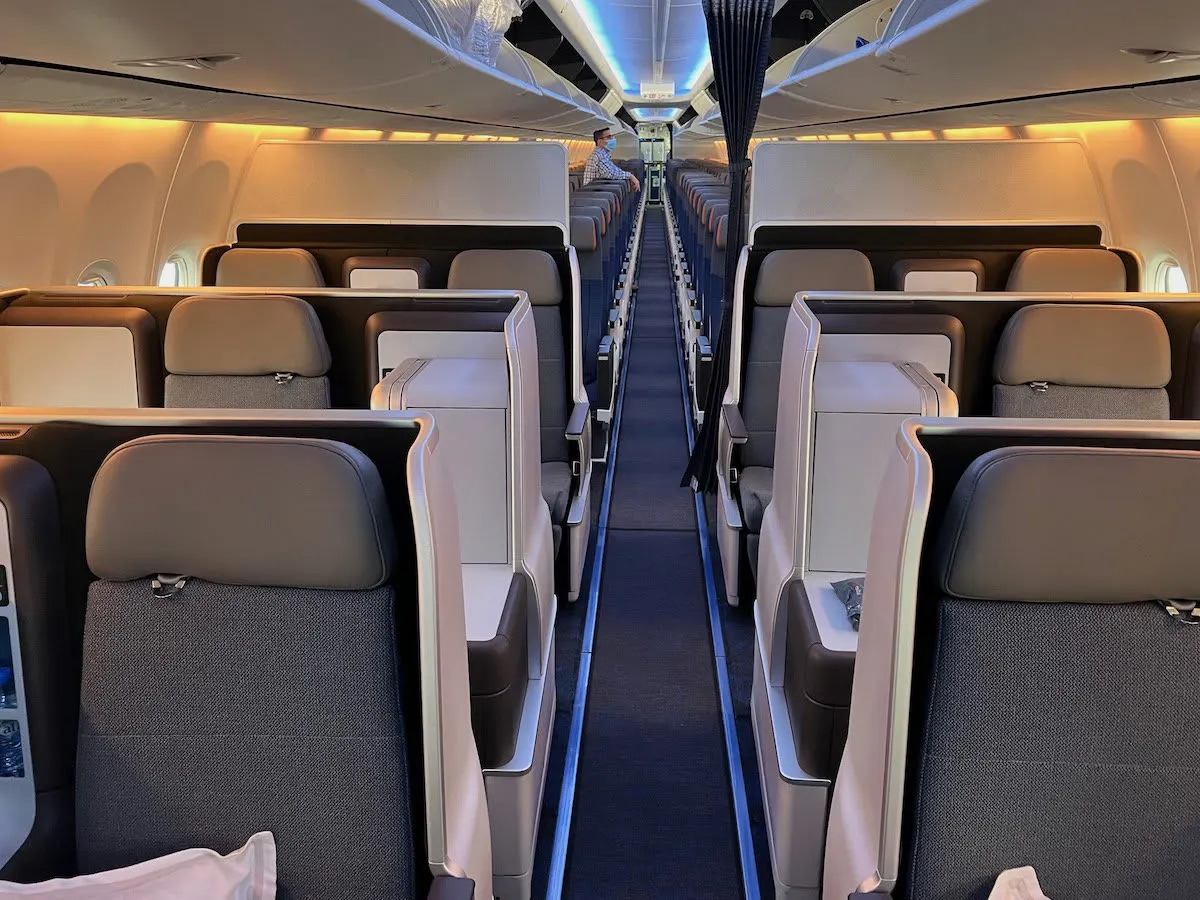
Flydubai Upgrading 21 Boeing 737 MAX 8s to Flat Bed Seats
Flydubai is retrofitting 21 Boeing 737 MAX 8 aircraft with lie-flat business class seats to standardize its premium product by late 2027.
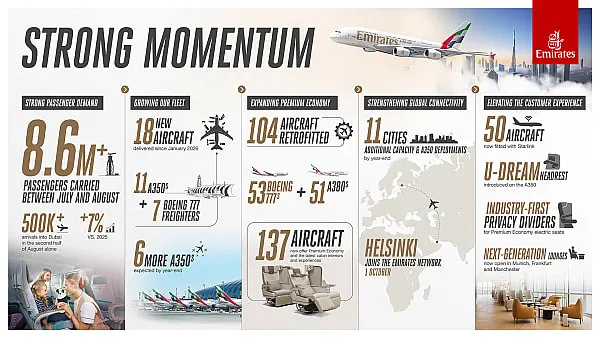
Emirates Winter Booking Momentum Grows Amid Fleet Expansion
Emirates carried 8.6 million passengers this summer and enters winter with strong demand as it accelerates fleet retrofits and network growth.

Air Arabia Consortium Gains AOC for New Dammam Budget Airline
A Saudi GACA-led consortium including Air Arabia has secured an AOC to launch a new budget airline based at Dammam's King Fahd International Airport.
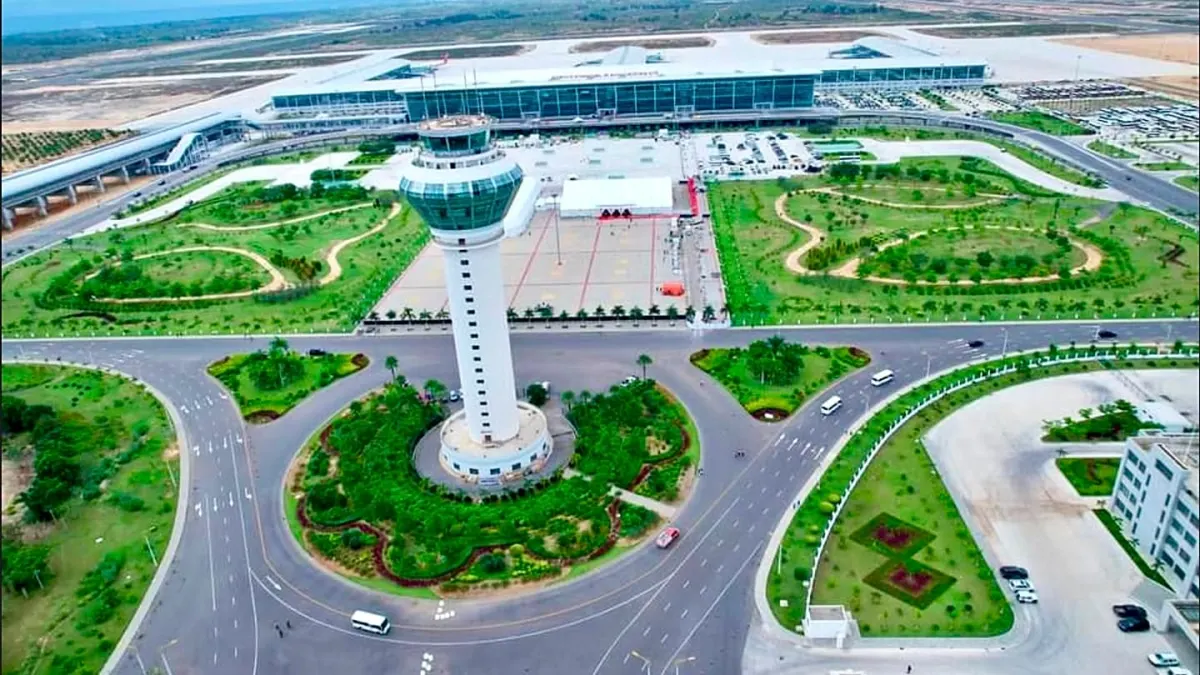
Turkish Airlines Exits Luanda as Angola Hub Struggles
Turkish Airlines dropped its Luanda route as Angola's new airport struggles to attract traffic, handling only 756,028 passengers in 2025.

Red Sea Airlines Leases Two 737 MAX 8s for 2027 Expansion
Red Sea Airlines signed a lease for two Boeing 737 MAX 8 aircraft from SMBC Aviation Capital, arriving in 2027 to support its 14-aircraft fleet goal.
Avelo CEO Warns Airfares May Rise on Jet Fuel Price Spikes
Avelo Airlines CEO Andrew Levy warns that rising fuel costs may force fare increases as global jet fuel prices reach $171.01 per barrel.