Airlines Hike Fares as Mideast Conflict Spikes Jet Fuel Prices

Aviation News Editor & Industry AnalystAviation News Editor & Industry Analyst delivering clear coverage for a worldwide audience.
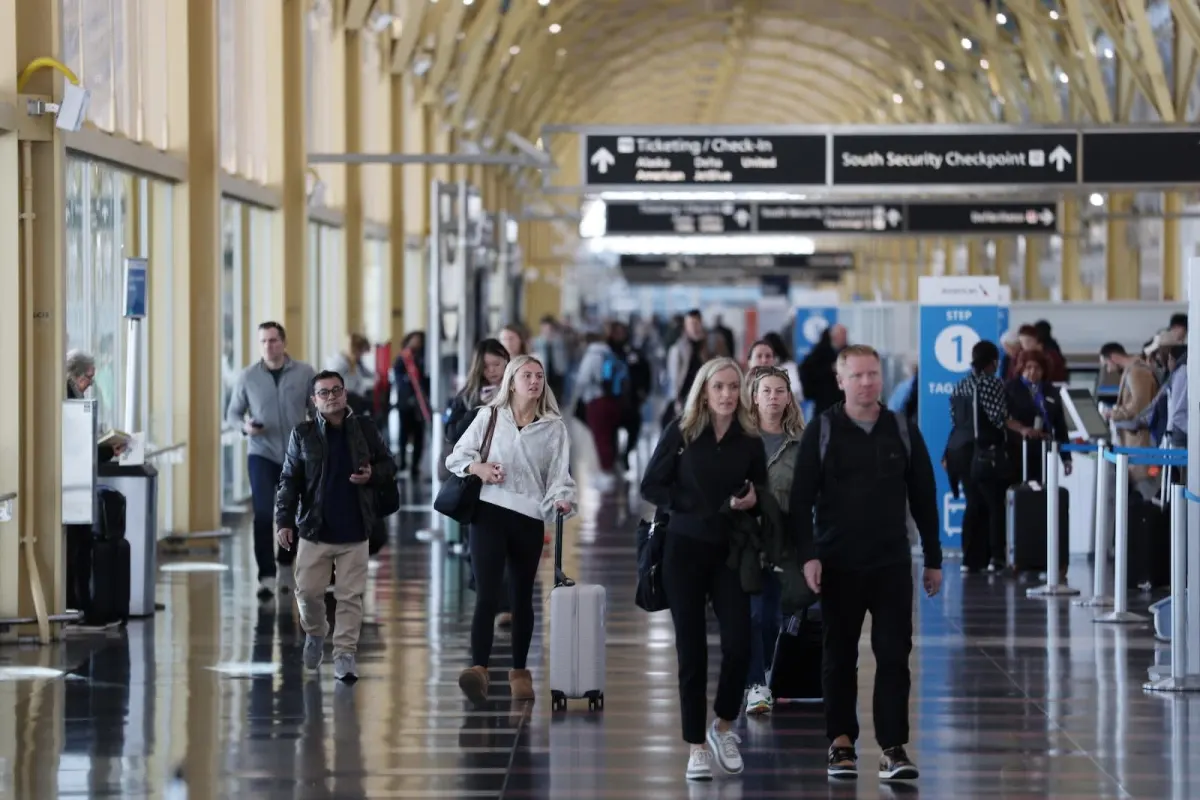
Airlines are raising summer 2026 fares as jet fuel prices double and Middle East airspace closures force costly, hours-long flight detours.
Key Takeaways
- •Surged jet fuel prices from under $90 to over $150 per barrel following Middle East conflict.
- •Forced costly flight detours of up to two hours due to EASA airspace restrictions over 11 countries.
- •Increased airline fares 6.5% month-over-month in January 2026, with carriers adding new fuel surcharges.
- •Canceled over 12,300 flights across major Middle East hubs, disrupting Europe-Asia routes.
Travelers planning for summer 2026 are facing the prospect of significantly higher airfares as airlines grapple with a dual crisis of surging jet fuel prices and extensive airspace closures over the Middle East. The U.S. Bureau of Labor Statistics (BLS) has already reported a 6.5% month-over-month increase in airline fares in its January 2026 Consumer Price Index, a trend expected to accelerate sharply.
The escalation of conflict in the region, particularly near the strategic Strait of Hormuz, has directly impacted the cost of Aviation Turbine Fuel (ATF), a primary operational expense for carriers. These geopolitical events have compounded existing inflationary pressures, forcing airlines to pass on higher costs to consumers through fare hikes and fuel surcharges, disrupting a critical season for the aviation industry.
Jet Fuel Prices Double
According to global energy market data, the price of jet fuel surged from a stable range of $85-$90 per barrel to between $150-$200 per barrel in the weeks following U.S.-Israeli strikes on Iran in late February 2026. This dramatic increase was reflected in regional markets, with U.S. Gulf Coast jet fuel prices reaching a four-year high of $4.12 per gallon in early March. This price shock creates an immediate and substantial financial burden for airlines, which often operate on thin margins and are highly sensitive to fuel cost volatility.
EASA Restrictions Force Costly Detours
Compounding the fuel price crisis are severe operational constraints imposed by aviation regulators. The European Union Aviation Safety Agency (EASA) issued Conflict Zone Information Bulletin (CZIB) 2026-03, advising air operators to avoid the airspace of 11 Middle Eastern countries, including Iran, Iraq, Israel, and the United Arab Emirates. The bulletin, tracked by organizations like Safe Airspace, cites high risks to civil aviation from military activity.
These restrictions have forced widespread rerouting for flights between Europe and Asia. According to aviation analyst Ernest Arvai, these detours add between 300 to 800 nautical miles to flight paths, translating to an additional 45 minutes to two hours of flight time. The financial impact is significant, costing airlines an estimated $6,000 to $7,500 per additional flight hour in fuel burn, crew costs, and maintenance. Authorities in Qatar and the UAE have activated the Emergency Security Control of Air Traffic (ESCAT) protocol to manage the few flights still permitted through limited, strictly controlled corridors within their Flight Information Regions (FIRs).
Industry Response and Passenger Impact
Airlines have responded swiftly to offset the rising operational costs. Air India implemented a fuel surcharge of Rs 399 on domestic flights starting March 12, 2026, with international surcharges reaching up to $200. Similarly, Air New Zealand raised its long-haul fares by $53. The disruption has also led to widespread cancellations, with over 12,300 flights canceled across seven major Middle Eastern airports. British Airways has suspended all flights to Abu Dhabi through the end of 2026.
The January 2026 Consumer Price Index (CPI) from the U.S. Bureau of Labor Statistics confirms the upward trend in consumer costs, predating the most severe fuel price hikes. This data suggests that the full impact has yet to be reflected in ticket prices. Global supply chain expert Rob Handfield of North Carolina State University advises consumers, "If you're buying for three or four months down the road, I would lock it in and buy now."
Why This Matters
The convergence of record-high fuel costs and major airspace closures presents a significant threat to the airline industry's post-pandemic recovery and financial stability. For passengers, this translates directly into higher travel costs and potentially longer journey times for the peak summer 2026 season. This situation highlights the global aviation network's vulnerability to regional conflicts and energy market volatility, with effects that ripple across the global economy.
For global airline trends and commercial aviation news, turn to omniflights.com. Discover how innovation is shaping aviation through aircraft systems, avionics, and digital tools at omniflights.com/technology.
Written by Ujjwal Sukhwani
Aviation News Editor & Industry Analyst delivering clear coverage for a worldwide audience. Covers flight operations, safety regulations, and market trends with expert analysis.
Visit ProfileYou Might Also Like
Discover more aviation news based on similar topics
IATA Pushes for Open Used Serviceable Material Market
IATA is urging engine OEMs to expand the Used Serviceable Material market following a landmark EU antitrust settlement with Pratt & Whitney Canada.

Virgin Atlantic A330 Retirement Boosts SAS Fleet Capacity
Virgin Atlantic is retiring its aging A330-300 fleet, with five airframes acquired by SAS to bridge near-term intercontinental capacity gaps.
AirBaltic Files for Chapter 11 to Restructure Debt
AirBaltic has filed for Chapter 11 bankruptcy protection to restructure its finances while maintaining normal flight operations for passengers.
Boeing Wins $241M Navy Contract for F/A-18 Surface Repairs
Boeing secured a $241.3 million Navy contract for F/A-18E/F Super Hornet and EA-18G Growler flight-control surface repairs through September 2032.
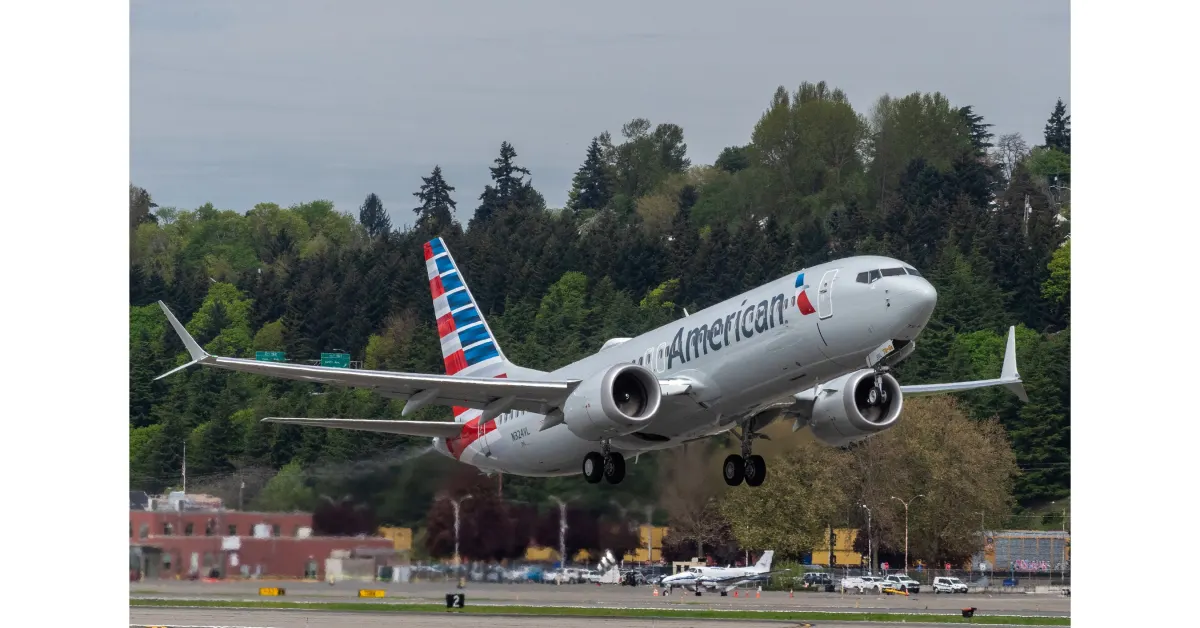
American Airlines Completes First 737 MAX Gear Exchange
Boeing and American Airlines completed the first 737 MAX landing gear exchange, marking the expansion of the program to reduce aircraft downtime.

Iberia Gains Unrestricted A350 Heavy Maintenance Approval
The Spanish aviation regulator AESA has granted Iberia Maintenance unrestricted authorization to perform heavy maintenance on the Airbus A350 fleet.