Airlines Across Asia Face 2,400+ Delays Amid Weather & Airspace Issues

Co-Founder & CEOAviation News Editor delivering trusted coverage across the global aviation industry.

Severe weather and airspace closures triggered over 2,400 flight delays and 100 cancellations across Asia, heavily impacting Japan Airlines and Gulf Air.
Key Takeaways
- •Records over 2,468 flight delays and 103 cancellations across major Asian and Middle Eastern hubs.
- •Impacts Japan Airlines with 119 delays and Gulf Air with 20 cancellations.
- •Stems from severe weather in the UAE and Japan combined with Middle East airspace restrictions.
- •Highlights mega-hub vulnerability, with delays significantly outweighing cancellations.
Widespread operational disruptions impacted major aviation hubs across Asia and the Middle East on March 26, 2026, resulting in 2,468 flight delays and 103 cancellations. The cascade of disruptions stemmed from a combination of severe weather events in the United Arab Emirates and Japan, compounded by airspace restrictions across the Middle East. The incident highlights the vulnerability of key international transit corridors to simultaneous operational pressures.
The widespread Asia flight delays and Middle East flight cancellations affected a significant number of carriers. Among the most heavily impacted was Japan Airlines (JAL), which experienced 119 delays primarily affecting its operations at Tokyo's Haneda (HND) and Narita (NRT) airports, as well as other regional hubs. In the Middle East, Gulf Air led in outright cancellations, halting 20 flights and severely disrupting schedules at its Bahrain International Airport (BAH) base. Meanwhile, FlyDubai recorded 9 cancellations and 25 delays, marking it as one of the most affected carriers operating out of the UAE.
Other major airlines experiencing significant operational strain included IndiGo, Air India, Air China, AirAsia, and China Southern Airlines. Key hubs such as Dubai (DXB), Abu Dhabi (AUH), Guangzhou (CAN), Kuala Lumpur (KUL), Delhi (DEL), and Mumbai (BOM) faced sustained pressure, contributing to the high volume of delays across the region.
Operational Causes and Regulatory Context
The disruptions were driven by two primary factors. In the UAE, severe rain and adverse weather conditions prompted Dubai Airports and the UAE General Civil Aviation Authority to implement operational limits, reducing flight schedules and causing temporary pauses in activity at DXB. This directly impacted the schedules of Emirates and Flydubai, which maintained a combined schedule of approximately 207 departures from Dubai on the day of the disruption.
Concurrently, regional geopolitical tensions led to airspace restrictions being imposed by civil aviation authorities in the Middle East. These closures forced carriers to reroute or cancel flights, adding another layer of complexity and delay to long-haul operations, particularly on the critical Europe-Asia transit corridor.
Impact on Passengers and Stakeholders
The simultaneous disruptions had a significant impact on passengers, particularly those in transit between Europe and Asia. These travelers faced forced rebookings, multi-day delays, and uncertainty as airlines worked to manage backlogs. The high concentration of delayed and canceled flights led to severe terminal congestion at key hub airports like DXB and BAH, straining airport resources and passenger services.
For the broader industry, the event is expected to trigger a spike in claims for travel insurance providers covering trip interruption, delay compensation, and alternative accommodation. The situation serves as a reminder for passengers of the importance of real-time flight status monitoring and maintaining direct contact with airlines for rebooking options.
Historical Context and Industry Trends
This event echoes previous large-scale disruptions in the region. The 2024 Dubai floods similarly resulted in thousands of flight cancellations and a multi-day suspension of operations for Emirates and FlyDubai, demonstrating the potential for weather to paralyze a major global hub. In Japan, 2023's Typhoon Lan caused hundreds of flight cancellations by JAL and ANA, illustrating a recurring vulnerability to severe weather in that market. The current situation combines elements of both precedents, with weather and external airspace factors creating a compound crisis.
The disruption also highlights a key industry trend: a preference for rolling delays over outright cancellations. The data shows 2,468 delays versus only 103 cancellations, suggesting airlines are attempting to preserve network connectivity and avoid the logistical complexity of mass cancellations, even at the cost of punctuality. This strategy, however, can lead to prolonged uncertainty for passengers and crew.
What Comes Next
Airline operators and airport authorities are focused on stabilizing schedules and clearing the backlog of passengers and aircraft. According to guidance from Dubai Airports and Gulf Air, a full resumption of flight schedules at DXB and BAH is expected by late March 2026. However, passengers are advised to continue monitoring airline notifications for any last-minute changes as the network recovers.
Why This Matters
This widespread disruption underscores the fragility of the global aviation network, where localized weather and regional airspace management can have far-reaching consequences. For airlines and mega-hubs, it reinforces the critical need for advanced contingency planning to manage simultaneous, multi-causal events. The incident also highlights the growing importance for passengers to have flexible travel plans and adequate insurance coverage to mitigate the financial and logistical impact of such large-scale disruptions.
From airline operations to fleet updates, commercial aviation news lives at omniflights.com. Discover how innovation is shaping aviation through aircraft systems, avionics, and digital tools at omniflights.com/technology.
Written by Hardik Vishwakarma
Co-Founder & Aviation News Editor leading initiatives that improve trust and visibility across the global aviation industry. Covers airlines, airports, safety, and emerging technology.
Visit ProfileYou Might Also Like
Discover more aviation news based on similar topics

Flydubai Upgrading 21 Boeing 737 MAX 8s to Flat Bed Seats
Flydubai is retrofitting 21 Boeing 737 MAX 8 aircraft with lie-flat business class seats to standardize its premium product by late 2027.
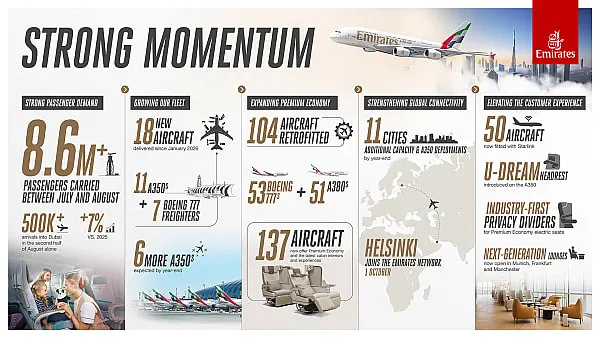
Emirates Winter Booking Momentum Grows Amid Fleet Expansion
Emirates carried 8.6 million passengers this summer and enters winter with strong demand as it accelerates fleet retrofits and network growth.
Air Arabia Consortium Gains AOC for New Dammam Budget Airline
A Saudi GACA-led consortium including Air Arabia has secured an AOC to launch a new budget airline based at Dammam's King Fahd International Airport.
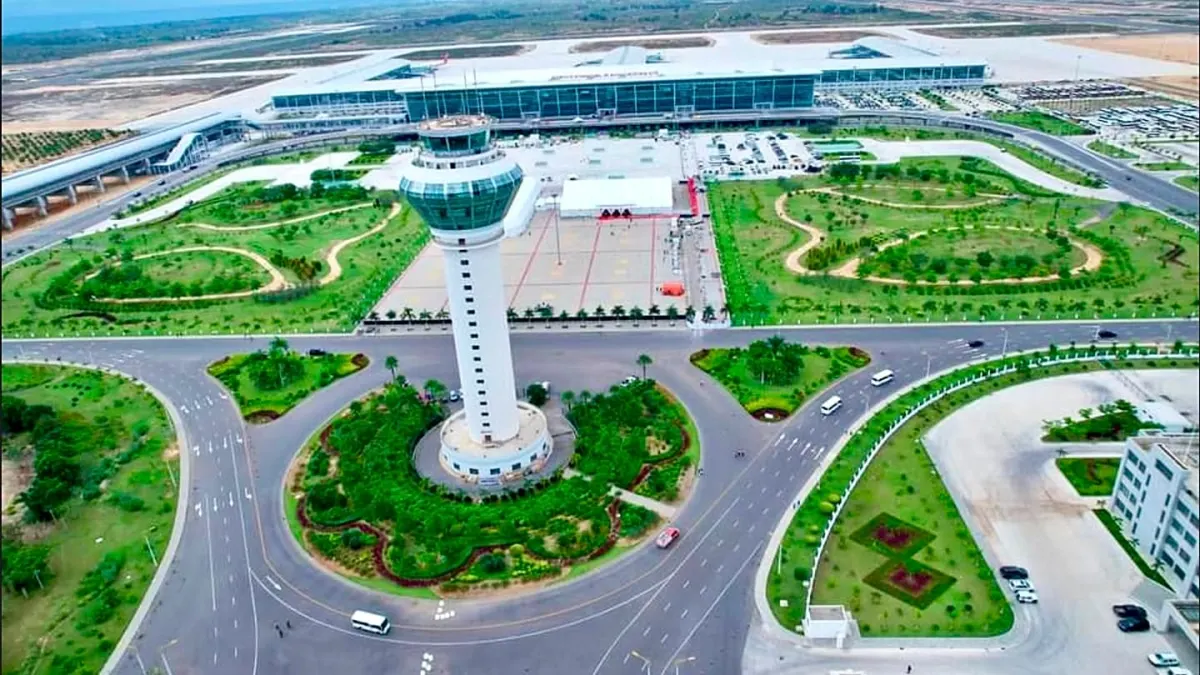
Turkish Airlines Exits Luanda as Angola Hub Struggles
Turkish Airlines dropped its Luanda route as Angola's new airport struggles to attract traffic, handling only 756,028 passengers in 2025.

Red Sea Airlines Leases Two 737 MAX 8s for 2027 Expansion
Red Sea Airlines signed a lease for two Boeing 737 MAX 8 aircraft from SMBC Aviation Capital, arriving in 2027 to support its 14-aircraft fleet goal.
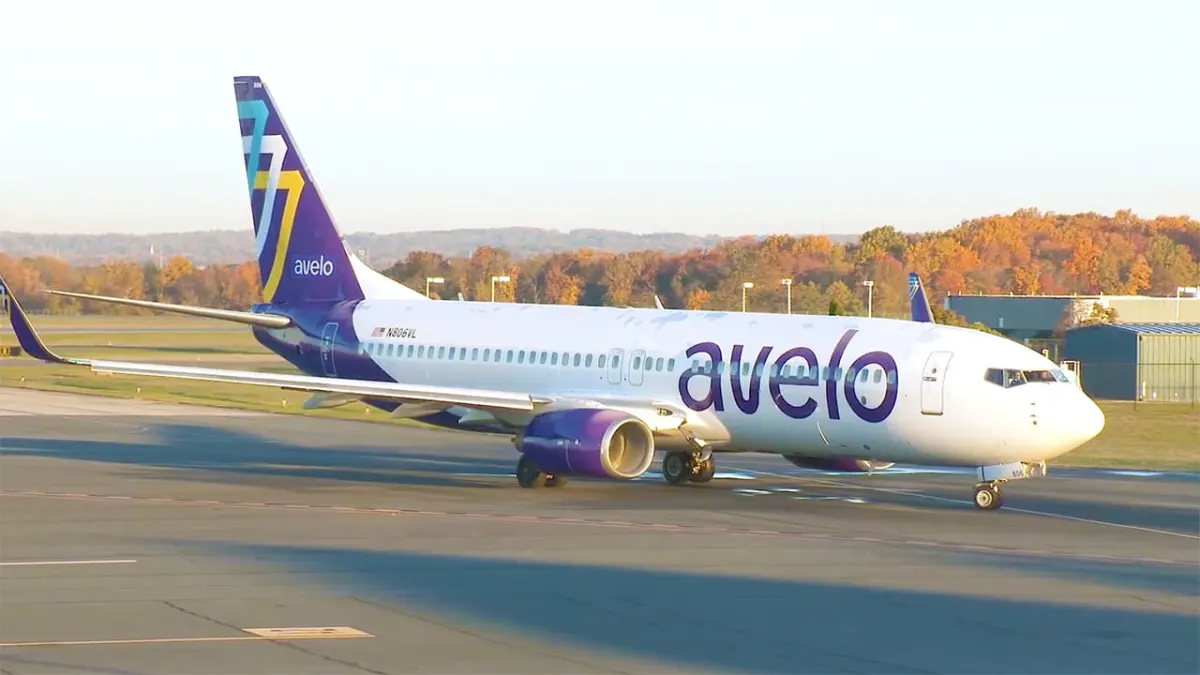
Avelo CEO Warns Airfares May Rise on Jet Fuel Price Spikes
Avelo Airlines CEO Andrew Levy warns that rising fuel costs may force fare increases as global jet fuel prices reach $171.01 per barrel.