Airbus Pitches Biman Days After $3.7B Boeing Fleet Deal

Co-Founder & CEOAviation News Editor delivering trusted coverage across the global aviation industry.
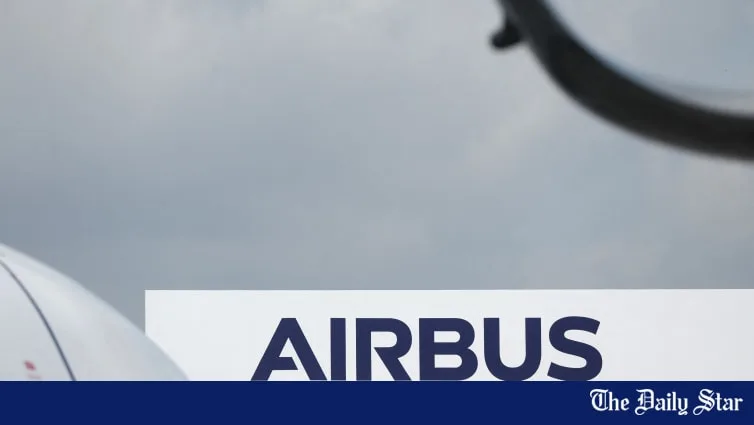
Airbus pitched a mixed-fleet strategy to Biman Bangladesh Airlines just days after the carrier signed a $3.7 billion Boeing deal tied to US trade tariffs.
Key Takeaways
- •Pitches a mixed-fleet strategy to Biman days after its competitor's deal.
- •Follows Biman's finalized $3.7 billion order for 14 Boeing aircraft.
- •Driven by a US-Bangladesh trade deal reducing tariffs on Bangladeshi goods from 37% to 19%.
- •Reverses a previous government's policy to procure 10 Airbus aircraft.
European manufacturer Airbus has formally advocated for a place in the Biman Bangladesh Airlines fleet, meeting with government and airline officials just four days after the carrier finalized a $3.7 billion Boeing deal. The meeting saw Airbus Vice President Edward Delahaye present the case for a mixed-fleet strategy to Civil Aviation Minister Afroza Khanam and Biman Managing Director Kaizer Sohel Ahmed.
The proposal comes as Airbus attempts to re-engage the airline following a significant geopolitical shift that favored its American rival. Biman's commitment to Boeing, which concludes over three years of intense competition, was directly linked to securing favorable US reciprocal tariffs for Bangladesh, a critical economic priority for the country's new interim government.
The Deal's Geopolitical Context
The decision to award the fleet modernization contract to Boeing was driven by the US-Bangladesh Agreement on Reciprocal Trade (ART). According to the terms of the agreement, the aircraft procurement was a central commitment by Bangladesh to secure a reduction in US tariffs on its ready-made garment exports from a punitive 37% down to 19%. This trade incentive proved decisive, reversing a policy decision made by the previous Awami League government to procure 10 Airbus aircraft.
Under the former government, Airbus had gained significant momentum in 2023, bolstered by high-level diplomatic engagement, including a visit from French President Emmanuel Macron. However, following the fall of Sheikh Hasina’s government in a 2024 student-led uprising, the interim government prioritized the trade agreement with the United States, effectively sealing the deal for Boeing.
The stakeholder impact of this decision is most significant for the Bangladesh Ready-Made Garment (RMG) export industry. The sector, which accounts for over 80% of the nation's exports, was the primary beneficiary of the tariff reduction secured through the Boeing deal.
Biman's Fleet Expansion
The $3.7 billion order comprises 14 new Boeing aircraft: eight Boeing 787-10 Dreamliners, two 787-9s, and four 737-8 MAX jets. This significant investment will nearly double Biman's current fleet of approximately 19 aircraft over the next decade, signaling a major expansion phase for the national carrier.
Kaizer Sohel Ahmed, MD and CEO of Biman, stated that the new aircraft will modernize the fleet, sharpen operational performance, and extend the international route network. Paul Righi, Boeing Vice President of Commercial Sales and Marketing, noted that the order will make Biman one of the few carriers worldwide to operate the entire 787 Dreamliner family, including the -8, -9, and -10 variants.
In its pitch, Airbus argued that a mixed fleet could offer greater operational flexibility. The European manufacturer had previously pitched its A350-900 and A350-1000 models, which it argued offered superior range and seat-mile costs, suggesting the final decision was based on trade politics rather than optimal fleet economics.
Industry Precedents and Analysis
This instance of geopolitically driven aircraft procurement is part of a growing industry trend. It mirrors historical precedents where large aircraft orders have been used as instruments of statecraft and bilateral trade balancing. In March 2023, for example, Saudia and Riyadh Air placed a massive order for 78 Boeing 787s, a decision heavily influenced by US-Saudi diplomatic and economic relations. Conversely, Chinese airlines largely froze Boeing orders between 2019 and 2023 during the US-China trade war, opting instead for large Airbus contracts.
Biman's decision underscores how national economic interests, particularly those of vital export industries, can dictate fleet strategy. While Airbus continues to push its Airbus mixed fleet strategy, overcoming the powerful economic incentives provided by the US-Bangladesh ART presents a formidable challenge. The focus for Biman now shifts from procurement politics to the operational realities of integrating a large new fleet.
What Comes Next
With the Boeing contract signed, the timeline for Biman's fleet modernization is taking shape. According to delivery schedules provided by Boeing and the airline, the first new aircraft from this order is expected to arrive in October 2031. The full delivery of all 14 aircraft is slated for completion by November 2035. Meanwhile, the Bangladeshi government has expressed a commitment to continue discussions with Airbus regarding the future composition of Biman's fleet beyond the current Boeing order, leaving the door open for the European manufacturer in the long term.
Frequently Asked Questions
- Why did Biman Bangladesh Airlines choose Boeing over Airbus for its latest order?
- Biman's $3.7 billion Boeing order was a key component of the US-Bangladesh Agreement on Reciprocal Trade (ART), which secured a reduction in US tariffs on crucial Bangladeshi exports from 37% to 19%. This geopolitical and economic incentive overrode a previous government's plan to purchase Airbus aircraft.
- What specific aircraft did Biman order from Boeing?
- Biman Bangladesh Airlines ordered 14 Boeing aircraft, including eight 787-10 Dreamliners, two 787-9 Dreamliners, and four 737 MAX 8s. This order will allow Biman to operate the entire 787 Dreamliner family.
- What is Airbus's strategy after losing the Biman order?
- Days after the Boeing deal was signed, Airbus officials met with Biman and government representatives to advocate for a "mixed fleet strategy." They are attempting to secure future orders by highlighting the potential flexibility and commercial benefits of operating both Airbus and Boeing aircraft.
Visit omniflights.com for the latest commercial aviation news and airline industry updates. Discover how innovation is shaping aviation through aircraft systems, avionics, and digital tools at omniflights.com/technology.
Written by Hardik Vishwakarma
Co-Founder & Aviation News Editor leading initiatives that improve trust and visibility across the global aviation industry. Covers airlines, airports, safety, and emerging technology.
Visit ProfileYou Might Also Like
Discover more aviation news based on similar topics
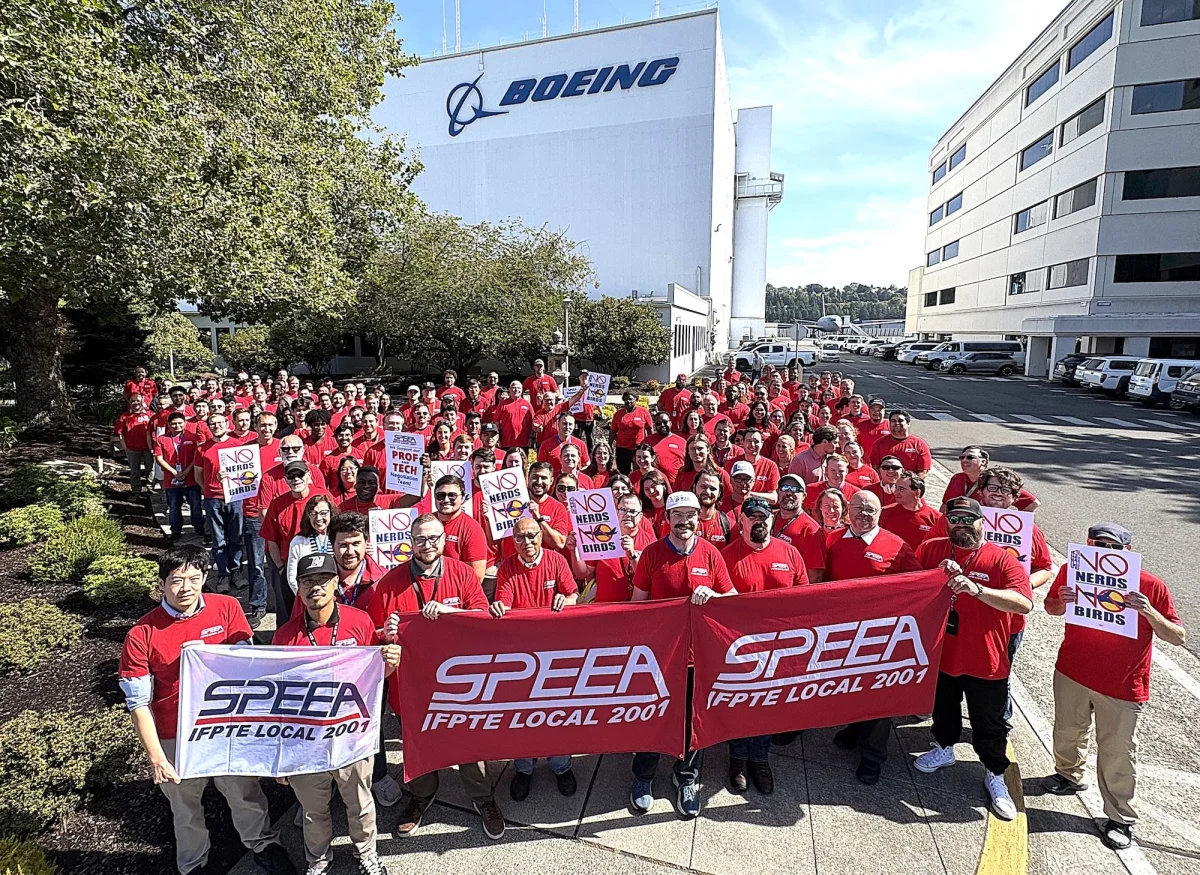
Boeing Tightens Spending Ahead of Critical SPEEA Union Vote
Boeing has implemented spending controls and a hiring freeze as it faces a critical contract ratification vote with its 17,000-member engineering union.

Boeing CEO Kelly Ortberg Warns of 777X Certification Delay
Boeing CEO Kelly Ortberg warned that a potential strike by 17,000 engineers would immediately halt the 777X certification and production programs.
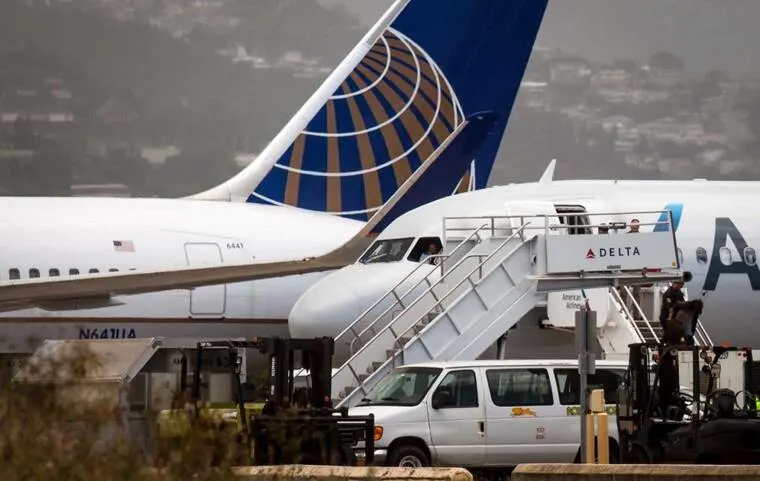
American and United Plan Capacity Cuts Amid Fuel Cost Surge
American and United are trimming flight schedules to offset a $1 billion fuel cost spike while maintaining strong pricing power.
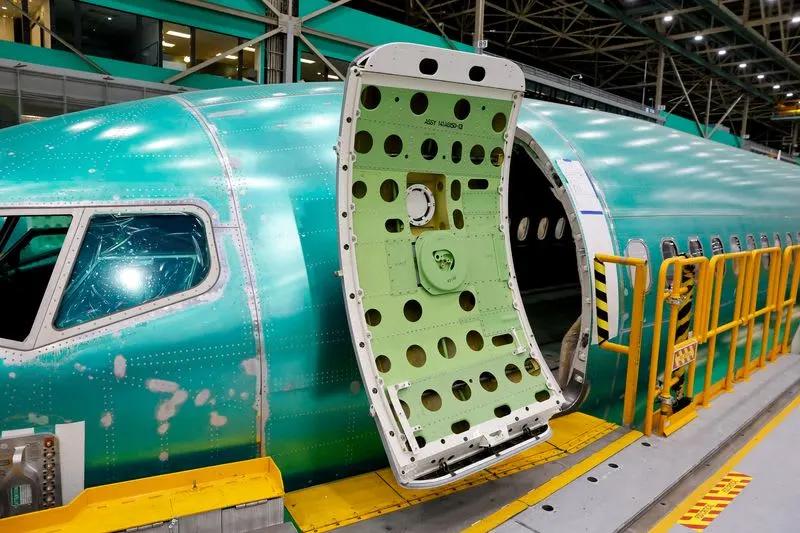
Boeing CEO Reports 737 MAX Output Stabilization Delays
Boeing CEO Kelly Ortberg reports slower 737 MAX production stabilization, prompting a downward revision in 2026 free cash flow expectations to $2 billion.
Boeing Finalizes KAL Order, Salvages Turkish Airlines Deal
Boeing secured a $36.2 billion order from Korean Air Lines for 103 aircraft and nears a resolution on a 150-jet deal with Turkish Airlines.
Airbus Forecasts 42,000 New Jets Amid Strong Global Demand
Airbus expects 42,000 new aircraft deliveries globally by 2045, with 45% of demand concentrated in the Asia-Pacific region.