Airbus Notifies Customers of A321neo Delivery Delays

Co-Founder & CEOAviation News Editor delivering trusted coverage across the global aviation industry.

Airbus has informed customers of delivery delays for A321neo jets in 2027 and 2028 due to ongoing aerospace supply chain constraints.
Key Takeaways
- •Airbus delayed A321neo deliveries scheduled for 2027 and 2028.
- •Engine shortages from Pratt & Whitney drive production bottlenecks.
- •CEO Guillaume Faury doubts the 75-unit monthly production target for 2027.
- •Airlines must extend leases on older aircraft to cover capacity gaps.
Airbus A321neo Delivery Delays
Airbus has formally notified customers of impending delivery delays for its A320neo (Airbus A320 New Engine Option) family aircraft scheduled for 2027 and 2028. The disruption primarily impacts the A321, the longest and most popular variant of the narrowbody program. These delays stem from persistent aerospace supply chain constraints, most notably a critical shortage of GTF (Geared Turbofan) engines from Pratt & Whitney.
The Production Rate Challenge
At the June 2026 Berlin Aviation Summit, Airbus CEO Guillaume Faury expressed frustration regarding the company's ability to maintain its production roadmap. Airbus has publicly set a goal to reach a production rate of 75 A320neo family aircraft per month by the end of 2027. However, Faury stated that meeting this target is now in doubt, depending on the volume of engines provided by engine manufacturers. In the first five months of 2026, the manufacturer delivered 262 commercial aircraft and maintains a full-year guidance target of 870 deliveries for 2026.
Impact on Airline Operations
The A321neo model remains the cornerstone of the manufacturer's narrowbody success, accounting for roughly two-thirds of the total A320neo family order backlog. For airline customers, these delays necessitate immediate operational pivots. Many carriers are now forced to extend leases on older, less fuel-efficient aircraft to maintain capacity through 2027 and 2028. This trend is exacerbated by engine manufacturers prioritizing the supply of spare parts and maintenance support for the existing global fleet over the delivery of new engines for final assembly lines.
Historical Context and Industry Precedents
This situation mirrors past industrial challenges within the aviation sector. In 2005 and 2006, Airbus faced significant profit warnings and management restructuring due to wiring harness issues on the A380 program. Similarly, the 2019-2020 grounding of the Boeing 737 MAX forced airlines to retain aging narrowbody jets, creating a precedent for how supply chain disruptions fundamentally alter fleet modernization cycles. The European Union Aviation Safety Agency (EASA) continues to monitor these production rate increases to ensure that rapid scaling does not compromise safety or manufacturing standards.
Engine Supply Dynamics
| Metric | A321neo | 737 MAX 10 |
|---|---|---|
| Max Seating Capacity | 244 passengers | 230 passengers |
| Max Range | 4,000 nm | 3,100 nm |
| Length | 44.51 m | 43.8 m |
Reaching the 75-Unit Monthly Milestone
Looking toward the future, the primary milestone remains the transition to a monthly production rate of 75 units by late 2027. While this remains the official target, the company has indicated that the timeline is subject to engine delivery performance. Beyond the 2027 production ramp, the industry is watching how successfully the manufacturer manages its backlog, which remains heavily weighted toward the A321 variant. The ability to fulfill these orders will depend largely on the stabilization of the engine supply chain.
Why This Matters for the Market
For the commercial aviation market, these delays signal a tightening of available narrowbody capacity. As carriers struggle to replace aging fleets, the scarcity of new aircraft is likely to drive up lease rates for existing narrowbody inventory, benefiting lessors while complicating growth plans for airlines. The situation highlights the fragility of the current aerospace supply chain, where the prioritization of maintenance and repair operations over new engine production creates a bottleneck that flows directly from the supplier to the airline's long-term network strategy.
Frequently Asked Questions
- Why is Airbus experiencing delivery delays for the A321neo?
- Airbus is facing delays primarily due to supply chain constraints, specifically a shortage of Pratt & Whitney Geared Turbofan engines. These engine manufacturers are currently prioritizing spare parts and maintenance for existing fleets over new engine production.
- What is the Airbus production goal for the A320neo family?
- Airbus has set a target to reach a production rate of 75 A320neo family aircraft per month by the end of 2027. However, the company has expressed uncertainty about meeting this goal due to the ongoing engine supply issues.
For global airline trends and commercial aviation news, turn to omniflights.com. Track policy changes, airspace rules, and global aviation governance in the Regulatory category at omniflights.com/regulatory.
Written by Hardik Vishwakarma
Co-Founder & Aviation News Editor leading initiatives that improve trust and visibility across the global aviation industry. Covers airlines, airports, safety, and emerging technology.
Visit ProfileYou Might Also Like
Discover more aviation news based on similar topics
Boeing Logs 15 Gross Orders Including 13 787 Dreamliners
Boeing recorded 15 gross orders in August 2026, featuring 13 widebody 787 Dreamliner commitments from undisclosed customers.

Hermeus Gets FAA Approval for Mach 1+ Drone Test Flights
The FAA authorized Hermeus to conduct six supersonic test flights of its Quarterhorse Mk 2.2 drone at White Sands through August 2027.
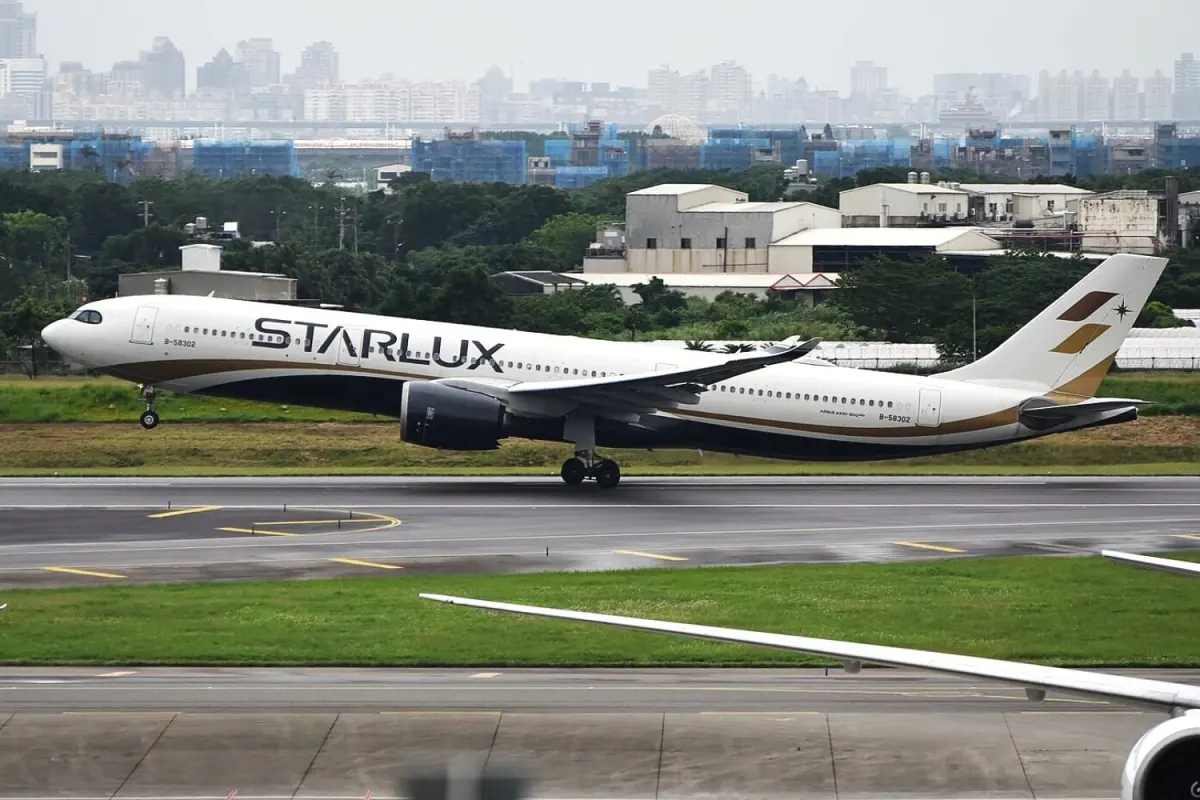
Airbus Deliveries Slow to 57, Putting 870 Target at Risk
Airbus delivered 57 aircraft in August 2026, requiring a surge to 99 monthly deliveries to meet its full-year target of 870.
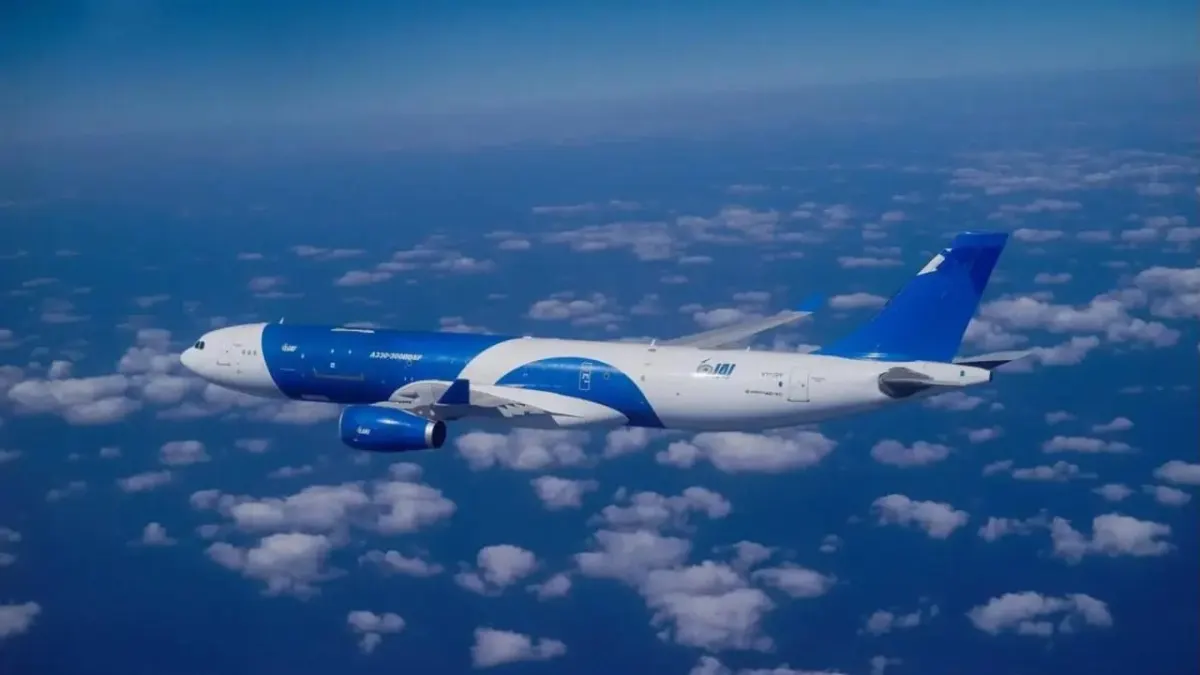
IAI Completes First Flight of A330-300BDSF Cargo Conversion
Israel Aerospace Industries successfully completed the first flight of its A330-300BDSF, an Airbus widebody converted for cargo operations.

Embraer Delivers 2,000th E-Jet to Azul Linhas Aéreas
Embraer reached a major milestone with the delivery of its 2,000th E-Jet, an E195-E2, to Brazilian operator Azul Linhas Aéreas on September 2, 2026.
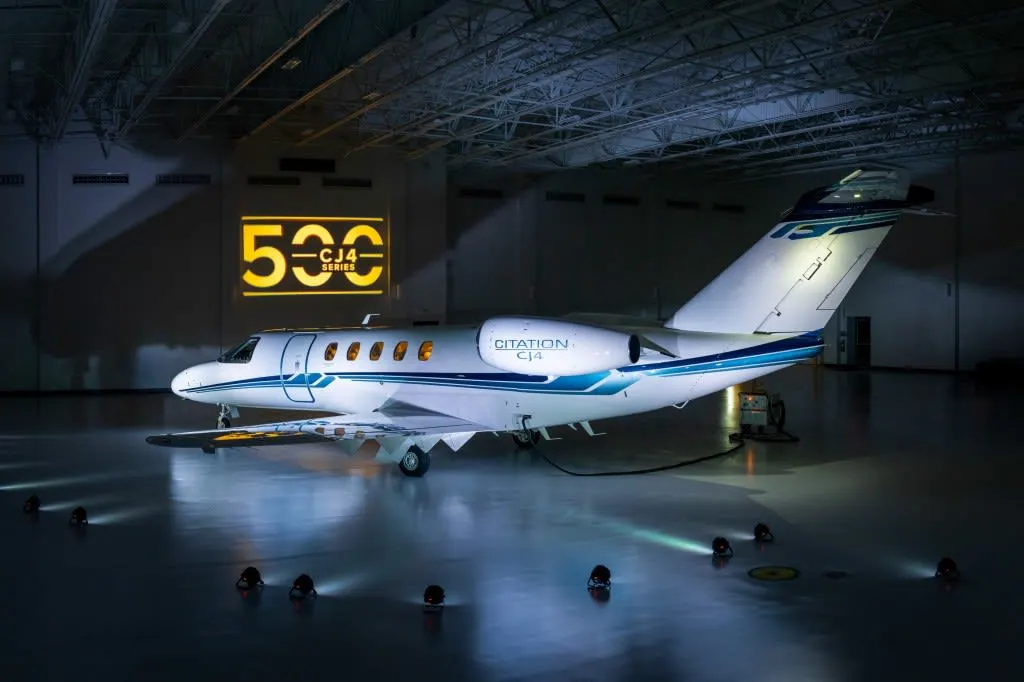
Cessna Citation CJ4 Achieves 500th Delivery
Textron Aviation delivered its 500th Cessna Citation CJ4 business jet to a customer in the Philippines as the manufacturer nears Gen3 certification.