Hermeus Gets FAA Approval for Mach 1+ Drone Test Flights

Co-Founder & CTOCo-Founder & CTO driving the technology and data systems behind Omni Flights.
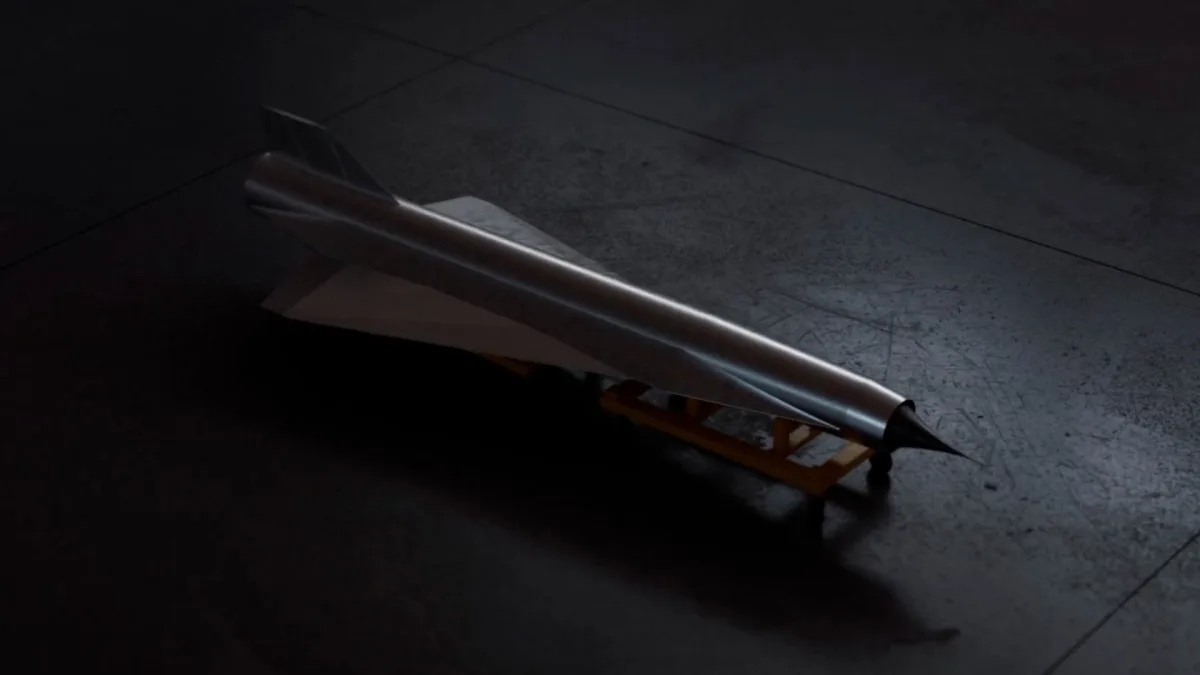
The FAA authorized Hermeus to conduct six supersonic test flights of its Quarterhorse Mk 2.2 drone at White Sands through August 2027.
Key Takeaways
- •FAA approved 6 supersonic test flights for the Hermeus Quarterhorse Mk 2.2.
- •Flights will occur at White Sands Missile Range at or above 24,000 feet MSL.
- •The Special Flight Authorization remains valid until August 20, 2027.
- •Testing follows the Mk 2.1's successful Mach 1.21 flight in May 2026.
Hermeus has secured a Special Flight Authorization (SFA) from the Federal Aviation Administration (FAA) to conduct supersonic test flights with its Quarterhorse Mk 2.2 uncrewed aircraft system (UAS). The regulatory approval allows for up to six flights exceeding Mach 1, conducted within the restricted airspace of the White Sands Missile Range (WSMR) in New Mexico. This milestone marks a significant step for the company's rapid prototyping model, which aims to accelerate the development of reusable hypersonic vehicles.
Regulatory Path for Supersonic Testing
The FAA granted the authorization under 14 CFR 91.818, which provides a pathway for civil aircraft to exceed the speed of sound over land. To comply with the National Environmental Policy Act (NEPA), the FAA adopted environmental findings from the Department of the Army, determining that the test flights would not significantly impact the human environment. The flights must be conducted at or above 24,000 feet Mean Sea Level (MSL) to mitigate potential ground-level impacts from sonic booms. This SFA is valid until August 20, 2027, providing Hermeus a multi-year window to complete its flight test campaign.
Rapid Iterative Prototyping Strategy
Hermeus continues to execute an aggressive development cycle, building roughly one new aircraft variant per year. The Quarterhorse Mk 2.2 follows the successful testing of the Mk 2.1, which achieved a top speed of Mach 1.21 during flight testing in May 2026. By utilizing the Pratt & Whitney F100 engine within an uncrewed airframe, the company is gathering novel telemetry on thermal and aerodynamic loads that fall outside traditional fighter jet operational envelopes. This approach contrasts sharply with conventional decade-long aerospace development timelines, leveraging both commercial venture capital and defense contracts, such as AFWERX STRATFI funding.
Mk 2.2 vs. Mk 2.1: Key Specifications
| Metric | Quarterhorse Mk 2.2 | Quarterhorse Mk 2.1 |
|---|---|---|
| Authorized Supersonic Flights | Up to 6 | Up to 7 |
| Minimum Supersonic Altitude | 24,000 ft MSL | 30,000 ft MSL |
| SFA Expiration Date | August 20, 2027 | December 31, 2026 |
The Future of Hypersonic Development
The industry is currently witnessing a shift toward reusable, high-speed dual-use vehicles. The success of the Boom Technology XB-1 demonstrator, which also received an FAA SFA to exceed Mach 1 in 2024, established a clear regulatory precedent for civil supersonic testing over land. Hermeus's current flight campaign is expected to inform the design of the Quarterhorse Mk 3, which is intended to reach speeds exceeding Mach 3. As the company progresses toward the August 2027 expiration of its current authorization, the data collected from these six flights will likely prove critical in refining the thermal management and flight control systems required for sustainable high-speed flight.
Why This Matters for Defense and Commercial Aviation
For the US Department of Defense, the successful testing of these vehicles validates the efficiency of rapid procurement cycles for hypersonic technologies. By integrating commercial-off-the-shelf engines into specialized testbeds, Hermeus provides a cost-effective method for gathering data on high-speed flight physics. For the broader aviation industry, these tests signal a growing capability to operate autonomous aircraft at sustained supersonic speeds, potentially paving the way for future commercial high-speed transport solutions.
Frequently Asked Questions
- What is the primary objective of the Hermeus Quarterhorse Mk 2.2 test flights?
- The primary objective is to conduct up to six supersonic test flights at or above 24,000 feet MSL to gather real-world flight data on thermal and aerodynamic loads at speeds exceeding Mach 1.
- Why did the FAA grant a Special Flight Authorization for these tests?
- The FAA granted the authorization under 14 CFR 91.818 after determining that the proposed supersonic flights at White Sands Missile Range would not significantly impact the human environment, satisfying National Environmental Policy Act requirements.
For global airline trends and commercial aviation news, turn to omniflights.com. Stay informed on aviation incidents, investigations, and best practices in the Safety category at omniflights.com/safety.
Written by Shashank Shukla
Co-Founder & CTO leading the engineering and AI systems behind Omni Flights. Covers aviation technology, flight safety, aircraft manufacturing, and emerging aerospace developments.
Visit ProfileYou Might Also Like
Discover more aviation news based on similar topics

Boeing Logs 15 Gross Orders Including 13 787 Dreamliners
Boeing recorded 15 gross orders in August 2026, featuring 13 widebody 787 Dreamliner commitments from undisclosed customers.

Airbus Deliveries Slow to 57, Putting 870 Target at Risk
Airbus delivered 57 aircraft in August 2026, requiring a surge to 99 monthly deliveries to meet its full-year target of 870.

IAI Completes First Flight of A330-300BDSF Cargo Conversion
Israel Aerospace Industries successfully completed the first flight of its A330-300BDSF, an Airbus widebody converted for cargo operations.

Embraer Delivers 2,000th E-Jet to Azul Linhas Aéreas
Embraer reached a major milestone with the delivery of its 2,000th E-Jet, an E195-E2, to Brazilian operator Azul Linhas Aéreas on September 2, 2026.

Cessna Citation CJ4 Achieves 500th Delivery
Textron Aviation delivered its 500th Cessna Citation CJ4 business jet to a customer in the Philippines as the manufacturer nears Gen3 certification.

Heart Aerospace X1 Completes First Flight in US
Heart Aerospace flew its X1 demonstrator, the largest electric aircraft to fly with a 106-foot wingspan, to advance hybrid regional flight.