Airbus Delivers 75 Aircraft in Q1 as Boeing Reworks 737 MAX Jets

Co-Founder & CEOAviation News Editor delivering trusted coverage across the global aviation industry.

Airbus delivered 75 aircraft in Q1 2026 while Boeing addresses wiring defects on 25 undelivered 737 MAX jets, impacting Q1 production totals.
Key Takeaways
- •Delivered 75 aircraft in Q1 2026, with the Airbus A321 leading at 38 units.
- •Reworks approximately 25 undelivered Boeing 737 MAX jets for wiring defects.
- •Faces continued production delays amid heightened FAA oversight.
- •Highlights the growing production gap between Airbus and Boeing in the narrowbody market.
According to estimates from Barclays, Airbus delivered 75 aircraft in the first quarter of 2026, maintaining a steady production pace while its primary competitor, Boeing, contends with new manufacturing issues affecting its Boeing 737 MAX program.
The divergence in delivery performance highlights the ongoing operational challenges at Boeing, which is now addressing wiring defects on approximately 25 undelivered 737 MAX aircraft. This development further complicates the manufacturer's efforts to stabilize production under heightened regulatory scrutiny and creates additional uncertainty for airline customers awaiting new single-aisle jets.
Q1 Delivery Metrics
Barclays data indicates Airbus delivered 21 aircraft in March, bringing its quarter-to-date total to 75 units. The most delivered model was the Airbus A321, which accounted for 38 of the quarterly deliveries, underscoring the high demand for the largest variant of the A320neo family. This steady output suggests a stable supply chain and production rhythm at the European planemaker.
In contrast, Boeing delivered only 8 aircraft in March to date, bringing its Q1 total to 105 units. While the quarterly figure is higher, Barclays analysts directly attribute Boeing's slow March pace to the need to rework aircraft with newly discovered defects, interrupting the flow of jets to customers. The disparity in March deliveries—21 from Airbus versus 8 from Boeing—points to the immediate impact of the production halt.
Boeing's Wiring Defect Challenge
The latest production issue for the Boeing 737 MAX involves scratches found on electrical wiring bundles. The defect, which stems from a machining error during production, was identified on approximately 25 undelivered aircraft. This problem requires significant rework before the aircraft can be cleared for delivery, a process closely monitored by the Federal Aviation Administration (FAA).
The FAA has intensified its oversight of Boeing's manufacturing processes and quality control systems. Any new defect requires thorough inspection, rework, and regulatory sign-off, adding unpredictable delays to the delivery timeline. This close supervision is a direct result of previous quality lapses at the company.
Historical Context and Regulatory Scrutiny
This is not the first time electrical issues have plagued the 737 MAX program. In April 2021, an improper electrical grounding path, also caused by a manufacturing change, led the FAA to mandate rework on over 100 aircraft. That event demonstrated how seemingly minor production changes can have widespread safety and operational implications, halting deliveries and grounding in-service aircraft.
The current situation unfolds under the shadow of the January 2024 door plug blowout on a 737 MAX 9. That incident resulted in the FAA grounding 171 aircraft and, significantly, capping Boeing's 737 MAX production rate. This history makes any new quality control lapse particularly sensitive for the manufacturer, regulators, and the flying public.
Stakeholder and Market Impact
The impact of this latest issue is multifaceted. For Boeing, it brings immediate rework costs and delayed revenue recognition for the 25 affected airframes. More importantly, the recurring quality issues risk further reputational damage at a time when the company is trying to restore confidence in its manufacturing capabilities.
Airline customers awaiting these specific 737 MAX jets face near-term delivery delays, forcing them to adjust Q1 and Q2 2026 fleet planning and capacity schedules. For Airbus, the competitor's struggles strengthen its market position. Its consistent delivery performance on the popular A320neo family reinforces its image as a more reliable supplier, potentially increasing its pricing power and market share.
Production Headwinds and Market Dynamics
The wiring defect is the latest in a series of manufacturing challenges for the Boeing 737 MAX, indicating persistent difficulties in stabilizing its production line. This pattern of disruption contrasts sharply with Airbus's steady output, allowing the European manufacturer to capitalize on Boeing's bottlenecks. The situation accelerates a trend where airlines, facing intense demand for new, fuel-efficient narrowbody aircraft, may view Airbus as the more dependable partner. The recurring nature of these issues, echoing the 2021 electrical grounding, suggests systemic challenges in Boeing's quality control processes that extend beyond single incidents and require fundamental changes under close FAA supervision.
What Comes Next
Boeing is expected to complete the rework on the 25 affected 737 MAX aircraft during the second quarter of 2026, though the final timeline is subject to FAA approval of the remediation work. Both Airbus and Boeing are confirmed to release their official and complete Q1 2026 delivery and order data in April 2026. These official reports will provide a definitive, audited view of each manufacturer's performance and the competitive landscape.
Why This Matters
This development underscores the widening gap in production stability and output between the world's two largest aircraft manufacturers. For the commercial aviation industry, Boeing's continued manufacturing challenges create delivery uncertainty for airlines, potentially impacting growth plans and fleet renewal timelines. Meanwhile, Airbus solidifies its lead in the crucial single-aisle market, a trend that could reshape the competitive balance for years to come.
Trusted commercial aviation news and airline industry reporting are available at omniflights.com. Track policy changes, airspace rules, and global aviation governance in the Regulatory category at omniflights.com/regulatory.
Written by Hardik Vishwakarma
Co-Founder & Aviation News Editor leading initiatives that improve trust and visibility across the global aviation industry. Covers airlines, airports, safety, and emerging technology.
Visit ProfileYou Might Also Like
Discover more aviation news based on similar topics

Boeing Logs 15 Gross Orders Including 13 787 Dreamliners
Boeing recorded 15 gross orders in August 2026, featuring 13 widebody 787 Dreamliner commitments from undisclosed customers.
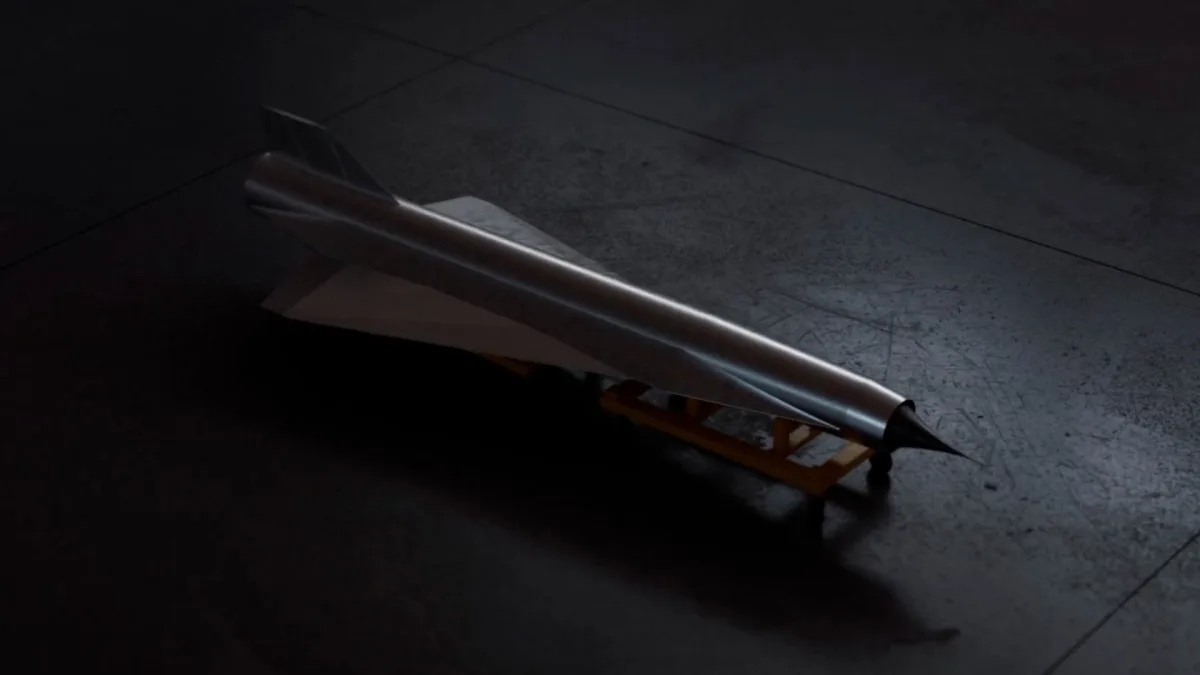
Hermeus Gets FAA Approval for Mach 1+ Drone Test Flights
The FAA authorized Hermeus to conduct six supersonic test flights of its Quarterhorse Mk 2.2 drone at White Sands through August 2027.
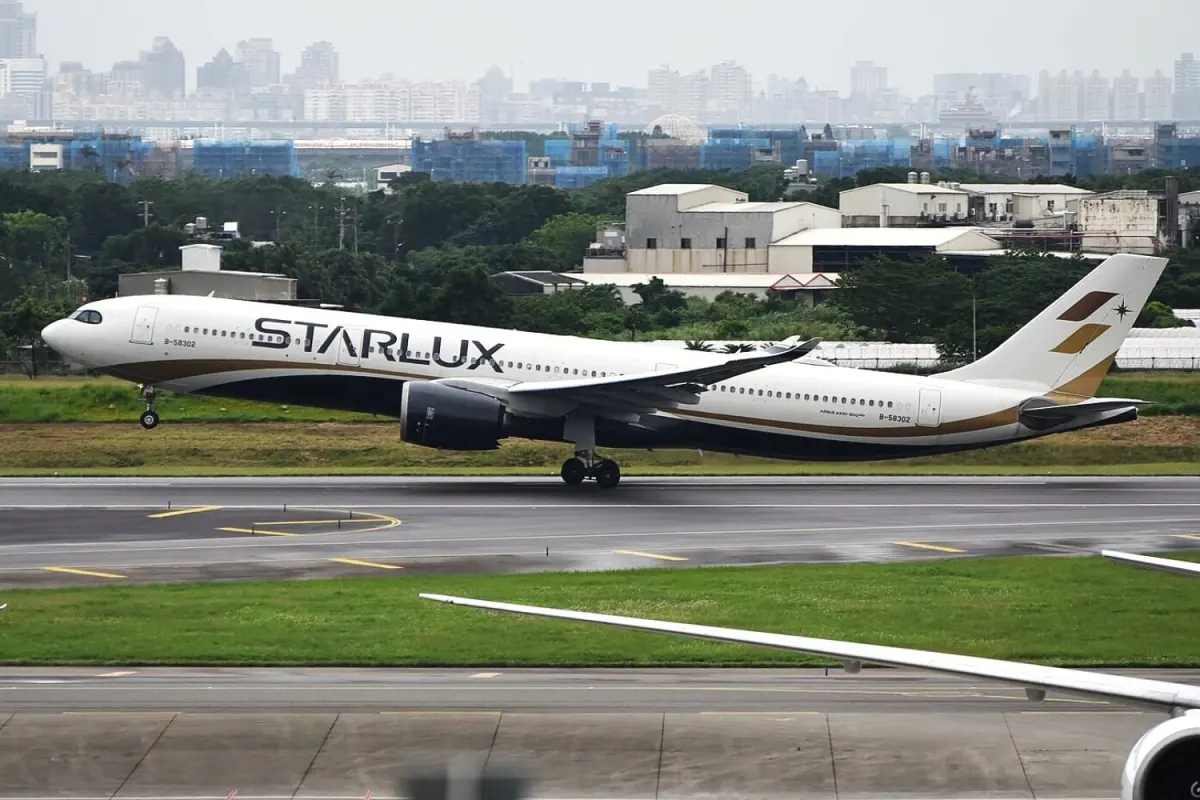
Airbus Deliveries Slow to 57, Putting 870 Target at Risk
Airbus delivered 57 aircraft in August 2026, requiring a surge to 99 monthly deliveries to meet its full-year target of 870.
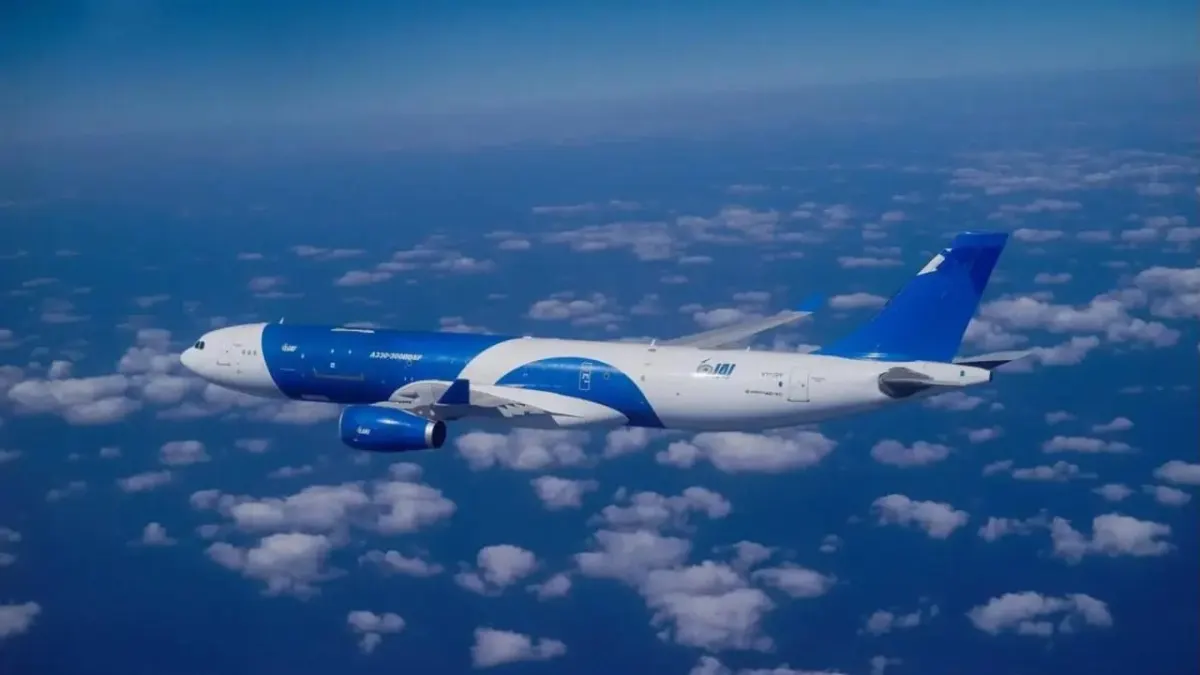
IAI Completes First Flight of A330-300BDSF Cargo Conversion
Israel Aerospace Industries successfully completed the first flight of its A330-300BDSF, an Airbus widebody converted for cargo operations.

Embraer Delivers 2,000th E-Jet to Azul Linhas Aéreas
Embraer reached a major milestone with the delivery of its 2,000th E-Jet, an E195-E2, to Brazilian operator Azul Linhas Aéreas on September 2, 2026.
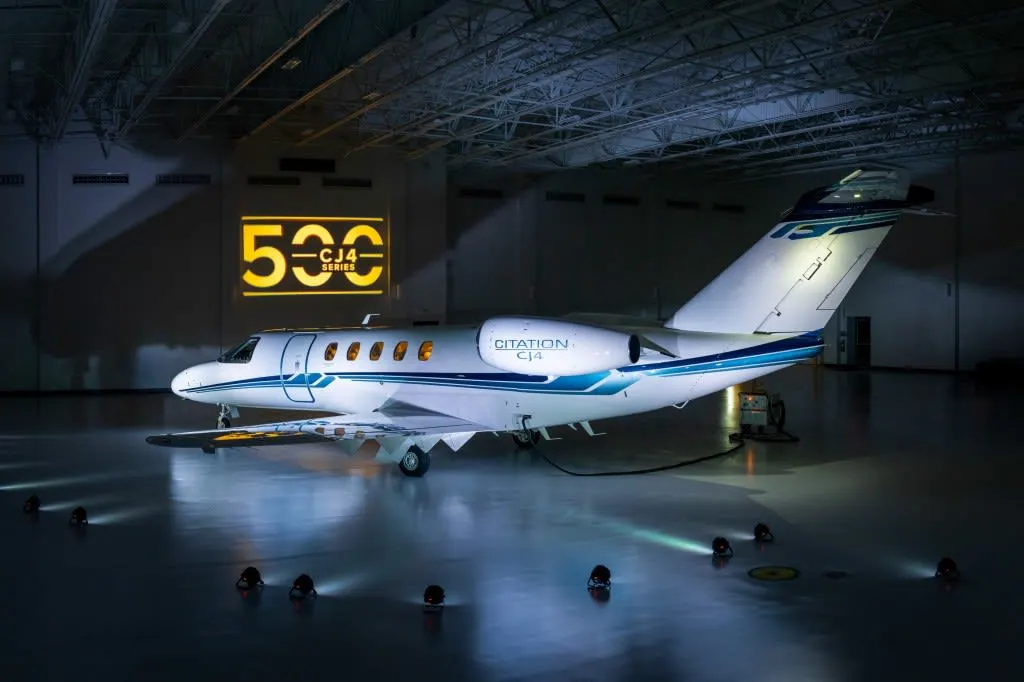
Cessna Citation CJ4 Achieves 500th Delivery
Textron Aviation delivered its 500th Cessna Citation CJ4 business jet to a customer in the Philippines as the manufacturer nears Gen3 certification.