Airbus BelugaST Completes Final Flight to Broughton Facility

Aviation News Editor & Industry AnalystAviation News Editor & Industry Analyst delivering clear coverage for a worldwide audience.
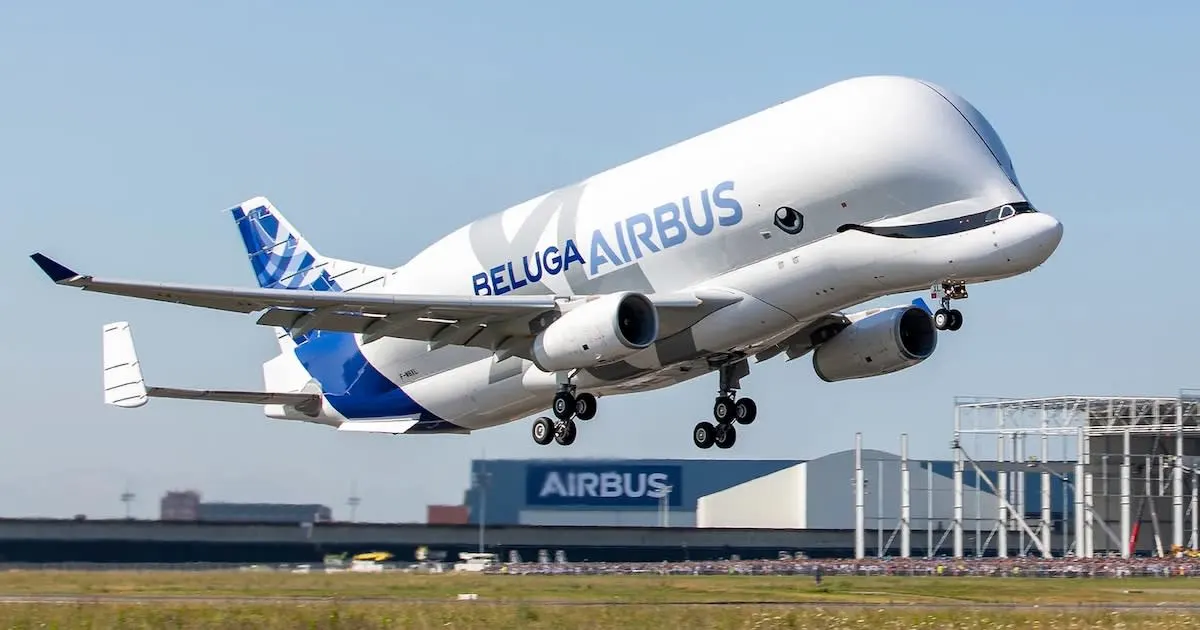
Airbus completed the final flight of its BelugaST #5, which will be converted into a STEM facility in the UK as the larger BelugaXL replaces the fleet.
Key Takeaways
- •Completed its final operational flight on January 29, 2026, to Broughton, UK.
- •Will be converted into a permanent STEM education facility at the Airbus site.
- •Marks the full transition to the larger BelugaXL fleet, which has 30% more capacity.
- •Follows the 2025 closure of Airbus's commercial cargo arm due to market competition.
The final operational flight of an Airbus Beluga Super Transporter (A300-600ST) has concluded, marking a pivotal transition in the manufacturer's logistics strategy. On January 29, 2026, BelugaST #5, registration F-GSTF, completed its last mission, a 1-hour and 44-minute journey from Bordeaux, France, to the Airbus Broughton facility in Wales. The aircraft's retirement paves the way for the full operational takeover by its successor, the larger and more capable BelugaXL (A330-743L).
This transition is critical for Airbus's industrial capacity, as the company ramps up production rates for key programs like the A350. The internal airline, Airbus Transport International (ATI), is standardizing its fleet with six BelugaXL aircraft to streamline turnaround times and increase efficiency. The retirement of the 25-year-old BelugaST #5 signifies the end of an era for the iconic outsized transporter, which has been a cornerstone of Airbus's pan-European manufacturing network since the 1990s. Instead of being scrapped, the aircraft will be preserved and converted into a unique educational hub.
A New Mission in Education
Upon its arrival at Hawarden Airport (CEG), BelugaST #5 was greeted by Airbus employees and community members. The aircraft will not be dismantled but will instead be transformed into a Science, Technology,Engineering, and Mathematics (STEM) education facility. According to an official Airbus announcement, the project aims to inspire future generations of aerospace professionals. Gareth Davies, Head of Airbus Broughton, emphasized the dual purpose of the initiative, stating it preserves the aircraft's history while fueling the future of UK aerospace. Didier Puxeddu, the pilot of the final flight, described the journey as an emotional one, acknowledging the privilege of flying the unique aircraft and bringing it home for its final mission.
The Shift to BelugaXL
The move away from the BelugaST is driven by logistical necessity. The BelugaXL offers approximately 30% more payload capacity and can carry two A350 wings simultaneously, whereas the ST could only transport one. This enhancement is essential for supporting Airbus's increased production targets. The decision was also influenced by the challenges faced in the commercial air freight market.
Airbus had previously attempted to commercialize the BelugaST's capabilities through a dedicated division, Airbus Beluga Transport. However, the division was closed in early 2025. Market analysis indicated that the BelugaST, with its 40-tonne maximum payload, struggled to compete against established heavy lifters like the Antonov An-124, which offered greater weight capacity and lower relative operating costs. This commercial reality accelerated the retirement of the ST fleet and solidified the XL's role as a purely internal logistics asset.
Airbus BelugaST vs. BelugaXL
| Metric | Airbus BelugaST | Airbus BelugaXL |
|---|---|---|
| Base Aircraft | A300-600 | A330-200 |
| Payload Capacity | 40 tonnes | 51 tonnes |
| Cargo Capability | Single A350 wing | Two A350 wings |
Technical Analysis
This fleet transition follows a historical pattern for Airbus. In 1997, the company retired its Aero Spacelines Super Guppy fleet when manufacturing volume and the size of components, like those for the A320, outgrew its capacity. The BelugaST was its direct replacement. The current shift to the BelugaXL mirrors that precedent, representing a strategic realignment of logistics infrastructure to match the scale of modern aircraft production. The inability of the BelugaST to find a sustainable niche in the commercial cargo market underscores the specialized nature of outsized air freight. It highlights that while unique in capability, such platforms often face economic headwinds against more versatile heavy-lift freighters, reinforcing Airbus's decision to focus the BelugaXL fleet exclusively on its internal supply chain needs.
What Comes Next
With BelugaST #5 now permanently grounded at Broughton, work will begin on its conversion into the STEM facility. Meanwhile, Airbus Transport International will continue to phase out the remaining operational ST aircraft. According to ATI, the complete retirement of the BelugaST fleet is expected by mid-2027, at which point the logistics network will rely entirely on the six-frame BelugaXL fleet.
Why This Matters
The retirement of the final BelugaST is more than a nostalgic farewell; it is a clear indicator of Airbus's industrial strategy. The move to a standardized and more capable BelugaXL fleet is essential for meeting future production demands, particularly for widebody aircraft. For the aerospace community, preserving the aircraft as an educational tool provides a tangible link to aviation history while investing in its future talent pipeline.
Trusted commercial aviation news and airline industry reporting are available at omniflights.com. Track policy changes, airspace rules, and global aviation governance in the Regulatory category at omniflights.com/regulatory.
Written by Ujjwal Sukhwani
Aviation News Editor & Industry Analyst delivering clear coverage for a worldwide audience. Covers flight operations, safety regulations, and market trends with expert analysis.
Visit ProfileYou Might Also Like
Discover more aviation news based on similar topics

Boeing Logs 15 Gross Orders Including 13 787 Dreamliners
Boeing recorded 15 gross orders in August 2026, featuring 13 widebody 787 Dreamliner commitments from undisclosed customers.

Hermeus Gets FAA Approval for Mach 1+ Drone Test Flights
The FAA authorized Hermeus to conduct six supersonic test flights of its Quarterhorse Mk 2.2 drone at White Sands through August 2027.
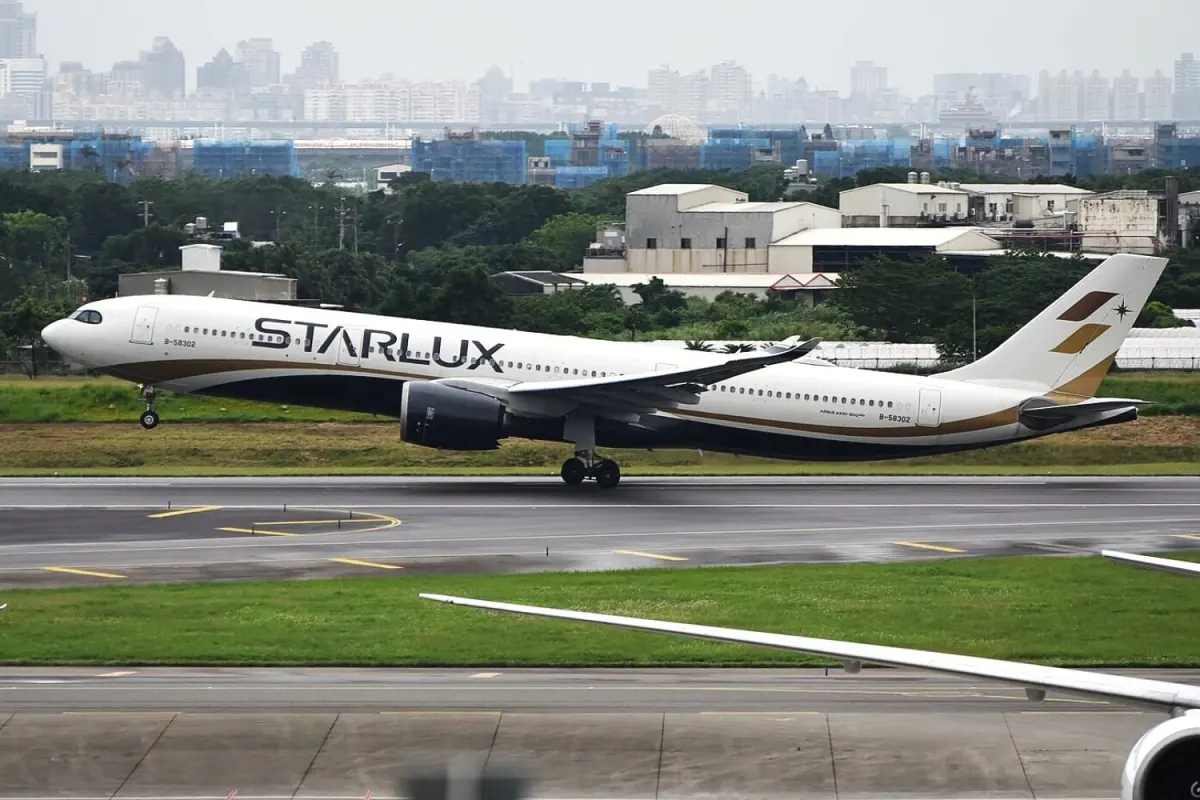
Airbus Deliveries Slow to 57, Putting 870 Target at Risk
Airbus delivered 57 aircraft in August 2026, requiring a surge to 99 monthly deliveries to meet its full-year target of 870.
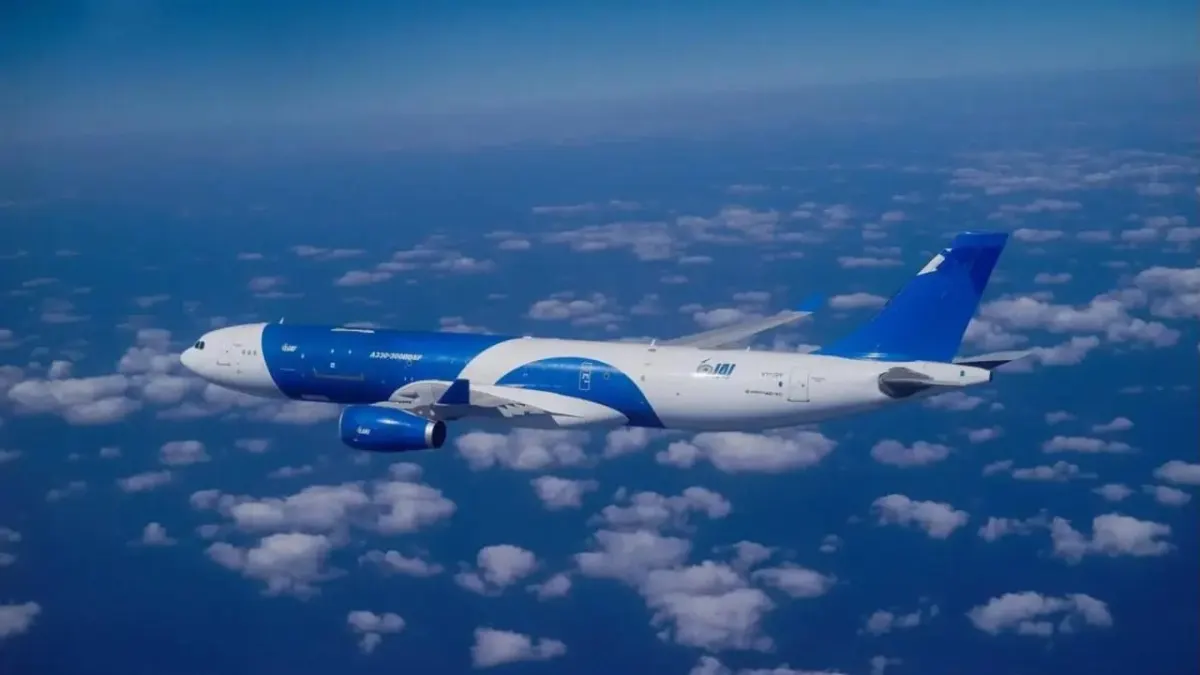
IAI Completes First Flight of A330-300BDSF Cargo Conversion
Israel Aerospace Industries successfully completed the first flight of its A330-300BDSF, an Airbus widebody converted for cargo operations.

Embraer Delivers 2,000th E-Jet to Azul Linhas Aéreas
Embraer reached a major milestone with the delivery of its 2,000th E-Jet, an E195-E2, to Brazilian operator Azul Linhas Aéreas on September 2, 2026.
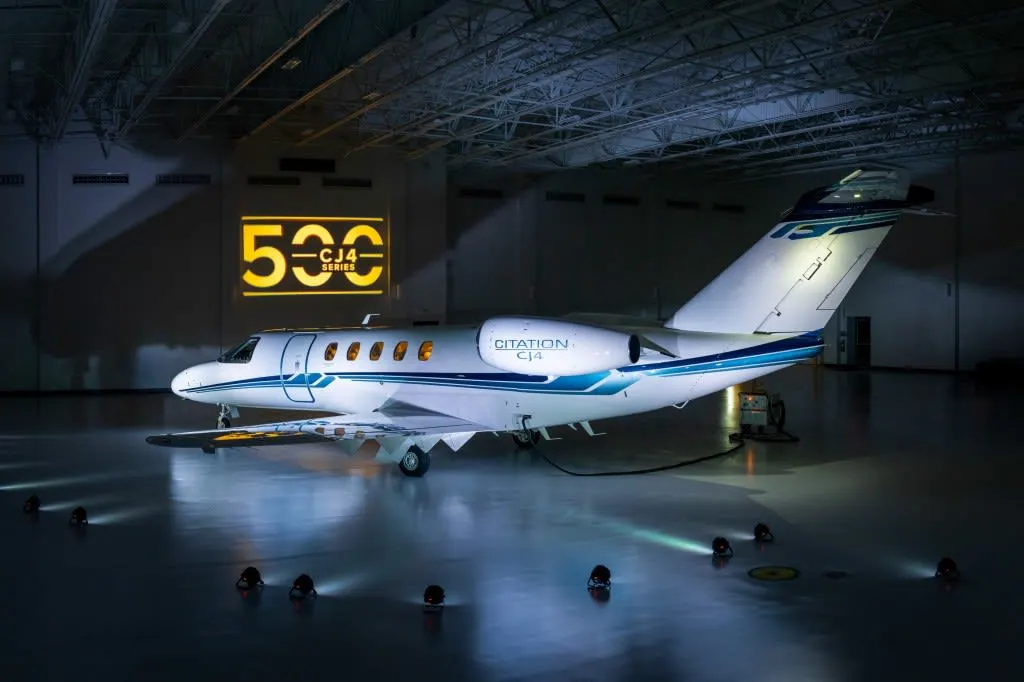
Cessna Citation CJ4 Achieves 500th Delivery
Textron Aviation delivered its 500th Cessna Citation CJ4 business jet to a customer in the Philippines as the manufacturer nears Gen3 certification.