Air Peace Brazil Flights Approved via ANAC Ordinance

Co-Founder & CEOAviation News Editor delivering trusted coverage across the global aviation industry.

Air Peace secured ANAC approval for direct Nigeria to Brazil flights, cutting travel time to seven hours and expanding its global network.
Key Takeaways
- •Air Peace Brazil flights approved via ANAC Ordinance 19.449/2026.
- •Direct service reduces Nigeria to Brazil travel time to seven hours.
- •New regional routes to Libreville, Conakry, Bamako, Douala start August 1.
- •Air Peace is seeking landing permits for Toronto and New York.
West Africa’s largest carrier, Air Peace, has achieved a significant regulatory milestone by securing official authorization to operate scheduled international services between Nigeria and Brazil. The approval, granted under ANAC Ordinance No. 19.449/2026 by Brazil’s Agência Nacional de Aviação Civil (ANAC), marks a pivotal development in the airline's strategy to bridge the longstanding connectivity gap between West Africa and South America. By establishing a direct Nigeria to Brazil direct flight, the carrier aims to reduce travel time from approximately 48 hours—which previously required multiple stopovers in Europe or the Middle East—to roughly seven hours.
The Strategic Impact of Direct Connectivity
This new authorization allows the airline to transport passengers, cargo, and mail, which is expected to significantly enhance bilateral trade and economic cooperation. For Nigerian and Brazilian importers and exporters, the service promises to reduce logistics costs and spoilage risks for perishables. Historically, direct air links between these regions have been sporadic; the Brazilian carrier Varig operated flights to Lagos until 1994, and Arik Air previously attempted to secure traffic rights in 2013. The current expansion is part of a broader trend of South-South air connectivity, where indigenous carriers are increasingly challenging the dominance of traditional transit hubs.
Fleet and Network Expansion
To support these long-haul operations, Air Peace relies on a diverse fleet of over 30 aircraft, primarily utilizing its Boeing 777 widebody jets for transatlantic missions. The airline is concurrently accelerating its international footprint elsewhere. On August 1, 2026, the carrier will launch four new regional African routes, serving Libreville (Gabon), Conakry (Guinea), Bamako (Mali), and Douala (Cameroon). Furthermore, the airline has applied for landing permits to serve Toronto, Canada and New York, US, while finalizing plans to resume services to Jeddah, Saudi Arabia and Guangzhou, China.
Technical and Operational Considerations
For the airline's flight operations and crew, this expansion requires enhanced utilization of widebody assets and specialized long-haul training. As the carrier integrates the Brazil route, it must also manage complex regulatory requirements, including ETOPS (Extended-range Twin-engine Operations Performance Standards) compliance. Meanwhile, transit-heavy competitors, such as Ethiopian Airlines and various European carriers, may see a shift in passenger demand as travelers opt for the efficiency of the new seven-hour direct connection.
What Comes Next: Regulatory and Route Milestones
The carrier's expansion trajectory remains aggressive as it pursues additional global markets. The following milestones represent key upcoming developments for the airline’s network:
- August 1, 2026: Scheduled regional service launch to Libreville, Conakry, Bamako, and Douala.
- Late 2026: Expected commencement of three weekly flights to Manchester, UK.
- Late 2026: Anticipated resumption of operations to Jeddah and Guangzhou.
- Late 2026 to 2027: Expected regulatory decisions on landing permits for Toronto and New York.
Why This Matters for Global Aviation
This regulatory approval signals a shift in the African aviation landscape, where indigenous airlines are moving beyond regional roles to become competitive global players. By securing direct access to the South American market, the airline is not only filling a historical void in bilateral relations but also positioning itself to capture significant traffic that was previously routed through third-party hubs. For the broader industry, this move underscores the growing economic importance of South-South aviation corridors.
Frequently Asked Questions
- How much does the new Air Peace route reduce travel time to Brazil?
- The new direct service will reduce travel time between West Africa and Brazil from approximately 48 hours, which previously required multiple layovers, to roughly 7 hours.
- What regulatory approval did Air Peace receive for its Brazil operations?
- Air Peace received authorization from Brazil’s National Civil Aviation Agency (ANAC) under Ordinance No. 19.449/2026, allowing it to operate scheduled passenger, cargo, and mail services.
For in-depth airline coverage and commercial aviation news, omniflights.com delivers timely industry insights. Get the latest updates on major hubs, regional terminals, and airport operations via the Airports section at omniflights.com/airports.
Written by Hardik Vishwakarma
Co-Founder & Aviation News Editor leading initiatives that improve trust and visibility across the global aviation industry. Covers airlines, airports, safety, and emerging technology.
Visit ProfileYou Might Also Like
Discover more aviation news based on similar topics
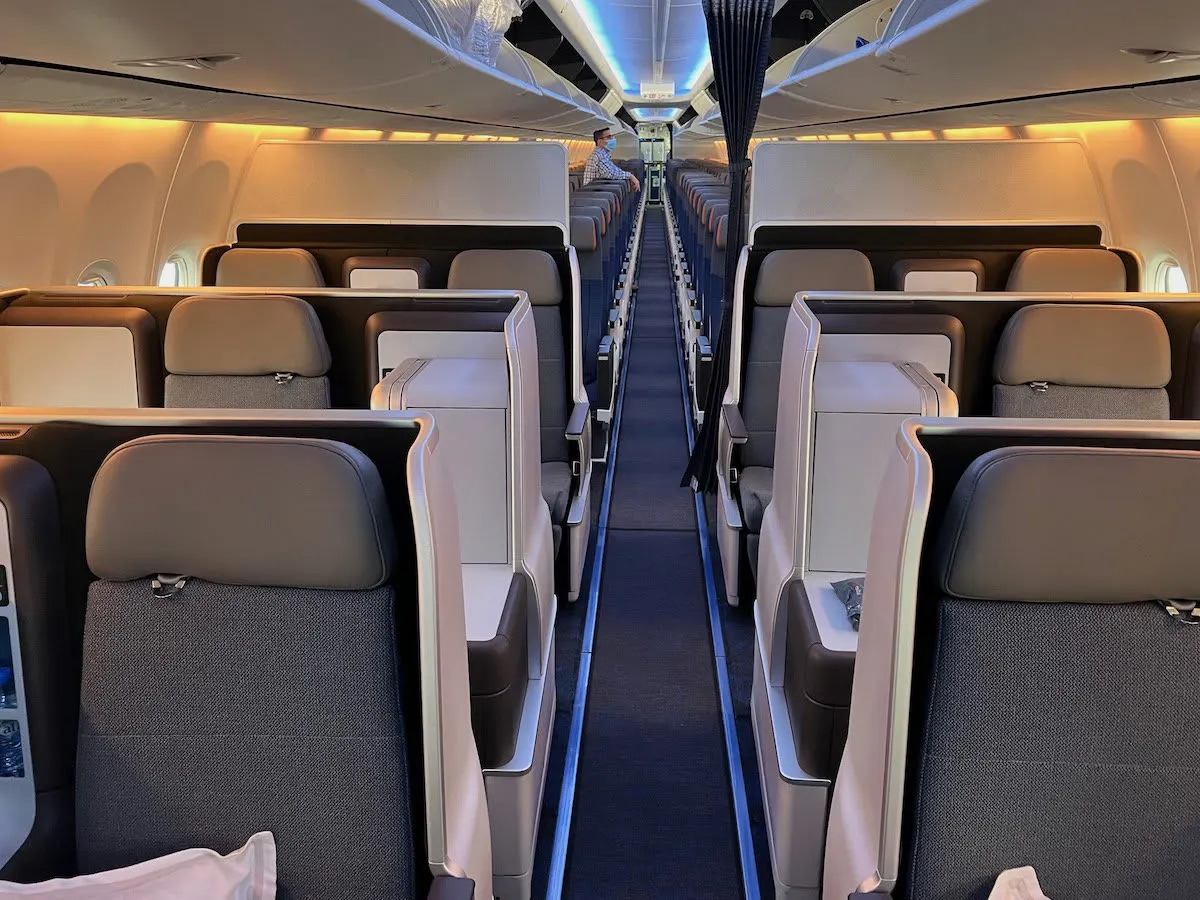
Flydubai Upgrading 21 Boeing 737 MAX 8s to Flat Bed Seats
Flydubai is retrofitting 21 Boeing 737 MAX 8 aircraft with lie-flat business class seats to standardize its premium product by late 2027.
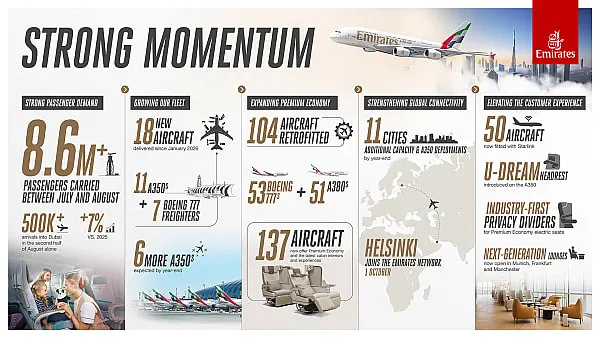
Emirates Winter Booking Momentum Grows Amid Fleet Expansion
Emirates carried 8.6 million passengers this summer and enters winter with strong demand as it accelerates fleet retrofits and network growth.
Air Arabia Consortium Gains AOC for New Dammam Budget Airline
A Saudi GACA-led consortium including Air Arabia has secured an AOC to launch a new budget airline based at Dammam's King Fahd International Airport.

Turkish Airlines Exits Luanda as Angola Hub Struggles
Turkish Airlines dropped its Luanda route as Angola's new airport struggles to attract traffic, handling only 756,028 passengers in 2025.

Red Sea Airlines Leases Two 737 MAX 8s for 2027 Expansion
Red Sea Airlines signed a lease for two Boeing 737 MAX 8 aircraft from SMBC Aviation Capital, arriving in 2027 to support its 14-aircraft fleet goal.
Avelo CEO Warns Airfares May Rise on Jet Fuel Price Spikes
Avelo Airlines CEO Andrew Levy warns that rising fuel costs may force fare increases as global jet fuel prices reach $171.01 per barrel.