Air NZ 777 Grounding at LAX Spurs CAA Regulatory Overhaul

Co-Founder & CEOAviation News Editor delivering trusted coverage across the global aviation industry.
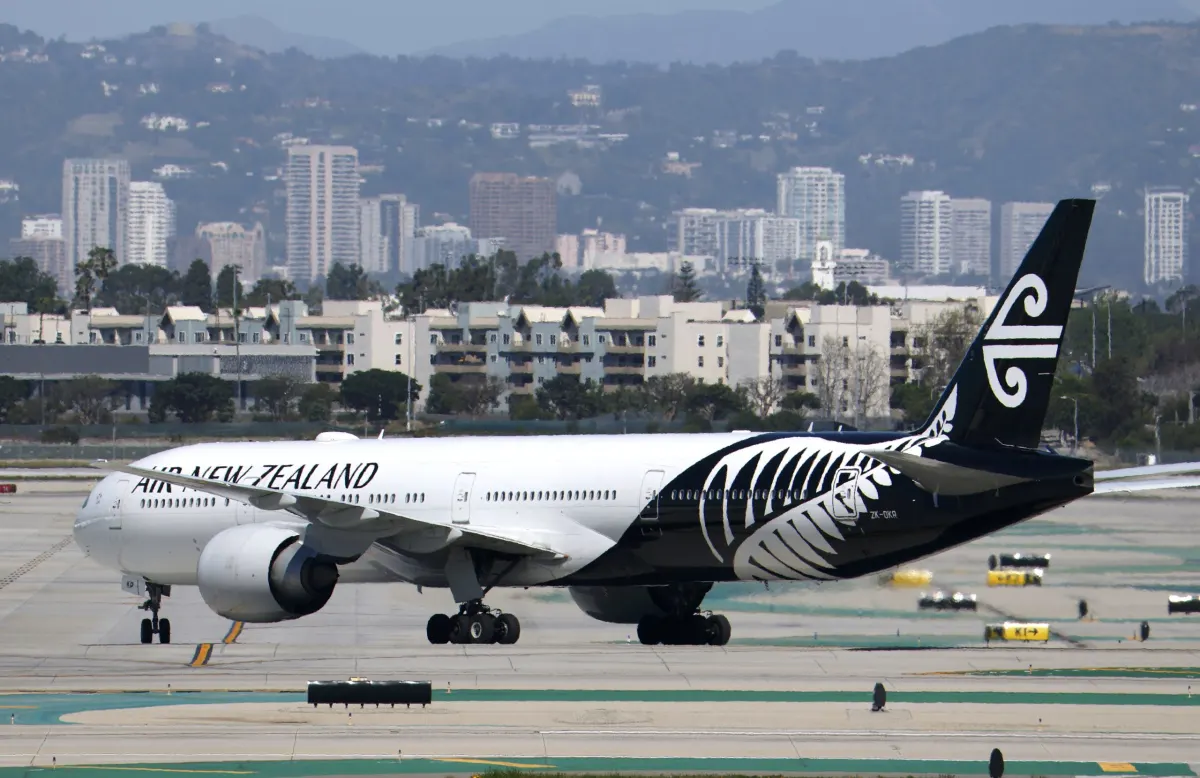
An Air New Zealand Boeing 777 grounding at LAX has forced the CAA to accelerate 20 years of regulatory updates following parliamentary criticism.
Key Takeaways
- •Air New Zealand 777 grounding at LAX exposes regulatory certification gaps.
- •CAA to expedite 20 years of aviation rule updates following parliamentary pressure.
- •Lack of recognition for Boeing engineers caused costly maintenance delays.
- •New regulations regarding foreign maintenance expected between 2026 and 2027.
Regulatory Bottlenecks and Operational Costs
The grounding of an Air New Zealand Boeing 777 at Los Angeles International Airport (LAX) in March has triggered a significant shift in aviation oversight. The incident, which necessitated an engine replacement, exposed a critical failure in the current regulatory framework governing Maintenance, Repair, and Overhaul (MRO) operations. Specifically, the New Zealand Civil Aviation Authority (CAA) did not recognize the credentials of Boeing engineers stationed at the manufacturer's own engineering hub in California. This certification barrier prevented local experts from servicing the aircraft, leading to extended downtime and substantial operational costs for the carrier.
Following the incident, the New Zealand Civil Aviation Authority has committed to an aggressive timeline to modernize its rules. The agency is now tasked with expediting 20 years' worth of regulatory updates. This move follows intense scrutiny from the New Zealand Parliament, where lawmakers questioned why the national regulator's standards remained misaligned with globalized supply chains and manufacturer engineering hubs.
The Impact of Stagnant Regulation
For Air New Zealand, the logistical challenges of the LAX incident underscore the risks associated with outdated maintenance protocols. When a widebody jet suffers a mechanical failure at a foreign outstation, the inability to utilize local original equipment manufacturer (OEM) engineers creates an unplanned Aircraft on Ground (AOG) cycle. This scenario complicates fleet scheduling and increases the financial burden of recovery operations. While some national aviation safety advocates argue that maintaining strict sovereign control over maintenance certifications ensures that specific safety standards are upheld, the current bottleneck has proven increasingly untenable for carriers operating long-haul networks.
Historical Precedents and Industry Trends
Modern aviation relies heavily on Bilateral Aviation Safety Agreements (BASAs) to facilitate the mutual recognition of safety certifications. These agreements allow regulators to accept the oversight of foreign counterparts, preventing the exact logistical impasse experienced at LAX. In May 2011, the implementation of the US-EU Maintenance Annex Guidance (MAG) provided a successful model for this, streamlining the recognition of repair stations between the FAA (Federal Aviation Administration) and the EASA (European Union Aviation Safety Agency).
Air New Zealand’s current predicament reflects a broader industry trend where authorities face mounting pressure to modernize decades-old frameworks. This situation is reminiscent of the 2017-2018 period, when the airline faced significant network disruptions due to the global shortage of Rolls-Royce maintenance capacity for its Boeing 787 fleet. Both instances highlight the carrier's vulnerability to supply chain and regulatory bottlenecks.
Boeing 777-300ER vs Boeing 787-9: Key Specifications
| Metric | Boeing 777-300ER | Boeing 787-9 |
|---|---|---|
| Engines | GE90-115B | Rolls-Royce Trent 1000 |
| Passenger Capacity | 342 | 275 |
| Range | 7,370 nm | 7,635 nm |
Accelerating the Regulatory Modernization
The New Zealand Civil Aviation Authority is now in the process of drafting updates to its foreign maintenance personnel certification rules. This legislative effort is expected to unfold between 2026 and 2027. The primary objective is to align New Zealand's safety standards with international norms, ensuring that airlines can leverage global engineering support without facing local bureaucratic hurdles. The success of this transition will depend on the agency's ability to balance rigorous safety oversight with the practical requirements of a modern, globalized airline fleet.
Why the CAA Must Modernize
This development is critical for the long-term competitiveness of New Zealand’s aviation sector. For the Civil Aviation Authority, the mandate represents a transition toward a more agile regulatory environment that supports international collaboration. For passengers and the airline, the expected changes signal a potential reduction in the duration of future AOG events, as the carrier will be better positioned to utilize manufacturer support at major global hubs.
Frequently Asked Questions
- Why was the Air New Zealand Boeing 777 grounded at LAX?
- The aircraft was grounded in March for an engine change. The repair was delayed because the New Zealand Civil Aviation Authority did not recognize the credentials of Boeing's Los Angeles-based engineers, preventing them from performing the work.
- What is the New Zealand Civil Aviation Authority doing to address maintenance delays?
- The agency is expediting twenty years of regulatory updates to modernize its rules regarding foreign maintenance personnel certification. These updates, expected between 2026 and 2027, aim to allow for better recognition of foreign engineering credentials on New Zealand-registered aircraft.
Get breaking commercial aviation news and expert airline analysis at omniflights.com. Get the latest updates on major hubs, regional terminals, and airport operations via the Airports section at omniflights.com/airports.
Written by Hardik Vishwakarma
Co-Founder & Aviation News Editor leading initiatives that improve trust and visibility across the global aviation industry. Covers airlines, airports, safety, and emerging technology.
Visit ProfileYou Might Also Like
Discover more aviation news based on similar topics

FAA Faces $3.5 Billion Shortfall in ATC Modernization
FAA Administrator Bryan Bedford reported a $3.5 billion shortfall for the Brand New Air Traffic Control System, totaling $16 billion for Phase One.
FAA Pauses Flights into LAX Due to Staffing Shortages
The FAA issued a temporary ground stop for flights bound for LAX on Monday morning due to staffing shortages at the Southern California TRACON.

FAA Proposes Ending Overland Supersonic Flight Ban
The FAA has proposed a new performance-based noise standard to replace the 1973 ban on overland supersonic flight, enabling future commercial travel.

DOT Rule Exempts Airlines From Cyberattack Delay Costs
Starting October 19, 2026, the DOT will allow airlines to withhold meal and hotel vouchers for delays caused by cyberattacks and nine other events.

Wizz Air, Ryanair Demand NATS Reform After ATC Failure
Wizz Air and Ryanair are calling for urgent NATS reform after a September 8 system failure caused over 1,000 flight cancellations across the UK.

US Treasury Iran Sanctions Target 27 Airlines, Mahan Air
The U.S. Treasury sanctioned 36 entities, including 27 Iranian airlines, to disrupt illicit procurement networks used by the Iranian government.