DoorDash Becomes 8th FAA-Certified Drone Operator

Co-Founder & CEOAviation News Editor delivering trusted coverage across the global aviation industry.
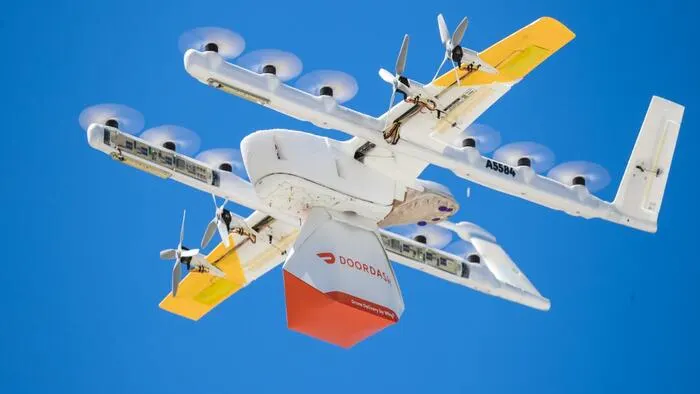
DoorDash became the 8th US drone operator to receive FAA Part 135 certification, clearing the way for its in-house DoorDash Air delivery network.
Key Takeaways
- •DoorDash secures FAA Part 135 certification for its in-house drone fleet.
- •Company becomes the eighth certified drone operator in the United States.
- •Drones will target mid-range deliveries of three to five miles to cut times.
- •Proprietary aircraft will be designed and manufactured in the United States.
Following the official DoorDash Air announcement on July 29, 2026, the San Francisco-based logistics company has secured its FAA Part 135 certification (Federal Aviation Administration Title 14 of the Code of Federal Regulations Part 135). This regulatory milestone establishes the company as a certified DoorDash drone operator, paving the way for the official DoorDash Air launch and the development of a proprietary commercial drone delivery network across the United States. The approval makes DoorDash only the eighth drone operator in the country to secure this specific air carrier status.
This certification places DoorDash in the same legal operating category as commercial commuter airlines, which is required under FAA Part 135 certification guidelines to legally transport third-party property for compensation. By moving away from third-party drone hardware providers, DoorDash Air signals a major shift toward vertical integration. The company plans to deploy an in-house fleet of American-designed and manufactured unmanned aerial vehicles to optimize its last-mile logistics.
Rigorous FAA Vetting and Domestic Sourcing
To secure the certificate, DoorDash completed a rigorous five-phase review process managed by the FAA. This vetting process evaluated the company's proprietary aircraft design, maintenance procedures, and operational safety programs. To address supply chain security and align with federal guidelines aimed at reducing reliance on foreign-made critical infrastructure, DoorDash has committed to designing and building its drones domestically, using primarily United States-sourced components.
The operational data driving this technological transition highlights inefficiencies in mid-range ground transport. According to DoorDash internal data from 2025, more than 20 percent of its delivery orders traveled distances between three and five miles. These mid-range trips took nearly 25 percent longer to complete than shorter deliveries, primarily because human couriers prefer clustered, short-distance trips near high-density restaurant zones. During initial testing, DoorDash drone pilots completed deliveries in an average of 25 minutes, driving a volume increase of approximately 30 percent at participating merchant locations.
The deployment of the Autonomous Delivery Platform will dynamically assign orders to human couriers, delivery robots, or drones based on order complexity and distance. Human couriers, known as Dashers, will continue to handle the vast majority of orders, particularly those involving large catering packages or destinations requiring stairwell navigation.
For third-party drone hardware providers, this shift to an in-house network represents a significant competitive challenge, as DoorDash reduces its reliance on external aircraft platforms. Conversely, the domestic aerospace supply chain stands to benefit from DoorDash's commitment to U.S.-based manufacturing. Local merchants may experience a positive impact, with pilot data indicating potential order volume increases of up to 30 percent due to faster delivery times. However, labor advocates and gig workers have expressed concern that the expansion of the Autonomous Delivery Platform could eventually reduce earning opportunities and shift availability for human delivery drivers.
Regulatory Precedents in Drone Logistics
DoorDash's transition to a certified air carrier follows established industry precedents. In October 2019, UPS Flight Forward became the first company to receive a standard Part 135 certification for drone deliveries, establishing the initial regulatory and safety framework. Subsequently, in August 2020, Amazon Prime Air secured its Part 135 certificate, demonstrating the viability of in-house logistics integration for major e-commerce platforms. DoorDash's entry as the eighth certified operator reinforces this trend of vertical integration in last-mile logistics.
In addition to federal air carrier status, DoorDash must navigate local municipal hurdles. Community groups and local zoning boards have raised concerns regarding noise pollution, privacy, and visual clutter. These local objections could restrict flight paths and operational hours, regardless of federal approvals.
The Last-Mile Economics of Drone Integration
The integration of DoorDash Air into the broader logistics network represents a structural shift in last-mile delivery economics. Historically, food delivery platforms have operated on highly variable cost models dependent on gig-economy labor pools. By introducing proprietary drone technology, DoorDash is shifting toward a capital-intensive, vertically integrated model. This transition addresses the 'mid-range bottleneck'—the three-to-five-mile delivery zone that human couriers frequently avoid due to poor time-to-revenue ratios. By automating these mid-range routes, DoorDash can stabilize delivery times and increase order throughput without increasing driver incentives. This development accelerates the precedent set by early logistics operators, moving drone delivery from localized pilot programs into a standardized, scalable component of national supply chains.
Pending Milestones and Airspace Approvals
While DoorDash has secured its air carrier certificate, several regulatory and operational milestones remain before widespread commercial deployment can begin:
- September 2026: DoorDash is expected to showcase its proprietary drone infrastructure and provide additional technical specifications for the DoorDash Air fleet.
- Fall 2026: The company is expected to initiate its first in-house commercial drone deliveries in select launch markets.
- Late 2026 to 2027: DoorDash must secure additional BVLOS (Beyond Visual Line of Sight) airspace waivers from the FAA to operate flights beyond the direct visual line of sight of ground pilots, a requirement for scaling the network regionally.
The Strategic Value of Air Carrier Status
Securing Part 135 status is a critical competitive differentiator that elevates DoorDash from a software platform to a federally regulated aviation operator. This transition allows the company to bypass third-party logistics dependencies and control its operational cost curve. For the broader aviation industry, it signals that commercial drone delivery is transitioning from experimental technology into a highly regulated, mainstream segment of the national airspace.
Frequently Asked Questions
- What is the significance of DoorDash receiving FAA Part 135 certification?
- The Title 14 of the Code of Federal Regulations Part 135 certification grants DoorDash the legal authority to operate as a commercial air carrier, allowing its in-house DoorDash Air program to transport property for compensation using drones.
- Where will DoorDash build and source its delivery drones?
- DoorDash plans to design and build its drones in the United States, sourcing most components domestically to reduce reliance on foreign-made technology.
- Will drones replace human DoorDash drivers?
- No, human drivers will continue to handle the vast majority of deliveries. Drones will be integrated into the Autonomous Delivery Platform to focus primarily on mid-range deliveries of three to five miles.
Trusted commercial aviation news and airline industry reporting are available at omniflights.com. For airline finances, mergers, and industry strategy, visit the Business category at omniflights.com/business.
Written by Hardik Vishwakarma
Co-Founder & Aviation News Editor leading initiatives that improve trust and visibility across the global aviation industry. Covers airlines, airports, safety, and emerging technology.
Visit ProfileYou Might Also Like
Discover more aviation news based on similar topics

FAA Faces $3.5 Billion Shortfall in ATC Modernization
FAA Administrator Bryan Bedford reported a $3.5 billion shortfall for the Brand New Air Traffic Control System, totaling $16 billion for Phase One.
FAA Pauses Flights into LAX Due to Staffing Shortages
The FAA issued a temporary ground stop for flights bound for LAX on Monday morning due to staffing shortages at the Southern California TRACON.
FAA Proposes Ending Overland Supersonic Flight Ban
The FAA has proposed a new performance-based noise standard to replace the 1973 ban on overland supersonic flight, enabling future commercial travel.

DOT Rule Exempts Airlines From Cyberattack Delay Costs
Starting October 19, 2026, the DOT will allow airlines to withhold meal and hotel vouchers for delays caused by cyberattacks and nine other events.

Wizz Air, Ryanair Demand NATS Reform After ATC Failure
Wizz Air and Ryanair are calling for urgent NATS reform after a September 8 system failure caused over 1,000 flight cancellations across the UK.

US Treasury Iran Sanctions Target 27 Airlines, Mahan Air
The U.S. Treasury sanctioned 36 entities, including 27 Iranian airlines, to disrupt illicit procurement networks used by the Iranian government.