Air India Vancouver Flight Returns After Deploying Unapproved Boeing 777-200LR

Co-Founder & CEOAviation News Editor delivering trusted coverage across the global aviation industry.
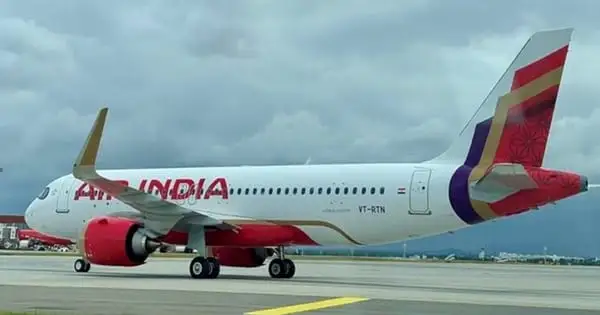
Air India's Delhi-Vancouver flight returned after 7 hours due to deploying an unapproved Boeing 777-200LR, causing a significant passenger delay.
Key Takeaways
- •Returned Delhi-Vancouver flight after 7+ hours due to deploying an unapproved Boeing 777-200LR.
- •Added 36 extra flights and 10,012 seats to Europe and North America to manage demand from West Asia airspace issues.
- •Incurred significant costs from wasted fuel and passenger accommodation due to the administrative error.
- •Highlights the risks of aircraft substitution amid fleet shortages and rapid network expansion.
An Air India flight from Delhi to Vancouver was forced to turn back mid-flight on March 19, 2026, after the airline deployed an aircraft type not authorized to operate in Canadian airspace. Flight AI185 was airborne for over seven hours before returning to Delhi, an incident the airline initially described as an "operational issue." The aircraft involved was a Boeing 777-200LR (Long Range), registration VT-AEI, which had been substituted for the airline's regularly scheduled and approved Boeing 777-300ER (Extended Range).
The costly error underscores the operational pressures on airlines managing complex international routes and tight fleet availability. The turnback resulted in a 24-hour delay for passengers and significant avoidable costs for Air India, including fuel for the extended flight and hotel accommodation for all travelers. In a statement, the airline confirmed the safe landing and expressed regret for the inconvenience, noting its ground teams provided all necessary assistance. "At Air India, the safety and well-being of our passengers and crew remain our highest priority," the carrier stated.
Broader Context: Capacity Expansion
The incident occurred as Air India significantly increased its international capacity to meet surging demand driven by ongoing geopolitical tensions in West Asia. These conflicts have disrupted normal flight paths, forcing airlines to reroute and add services. According to an Air India press release, the carrier is adding 36 extra flights on five key routes to Europe and North America between March 19 and March 28, 2026. This expansion adds a total of 10,012 seats on routes including Delhi-London, Mumbai-London, Delhi-Frankfurt, Delhi-Zurich, and Delhi-Toronto.
This move followed a previous capacity increase between March 10 and March 18, which saw 78 additional flights deployed on nine routes. The sustained effort to provide more options for travelers comes at a time when fleet utilization is high, which can lead to substitution challenges like the one that caused the AI185 turnback.
Regulatory and Operational Lapses
The core of the AI185 issue was a failure to comply with international aviation regulations. According to Transport Canada, the Canadian civil aviation authority, Air India holds approval to operate the Boeing 777-300ER on the Delhi-Vancouver route but lacked the necessary clearance for the 777-200LR. Once the discrepancy was identified mid-flight, standard operating procedures mandated by India's Directorate General of Civil Aviation (DGCA) required the aircraft to return to its point of origin. While the airline framed the event as an unforeseen issue, aviation analysts view it as a costly administrative blunder in fleet dispatch and planning.
Historical Precedents
This type of operational error, while rare, is not without precedent. In December 2017, an All Nippon Airways flight from Los Angeles to Tokyo returned after four hours in the air due to an unauthorized passenger boarding, highlighting how administrative mistakes can force costly turnbacks. More recently, in February 2023, an Air New Zealand flight from Auckland to New York returned after 16 hours airborne because of an electrical fire at its destination airport. These events demonstrate the significant financial and logistical impact of disruptions on ultra-long-haul routes.
Boeing 777-200LR vs. 777-300ER
While both are variants of the Boeing 777 family, the 777-200LR and 777-300ER have distinct specifications that can affect regulatory approvals and operational planning.
| Metric | Boeing 777-200LR | Boeing 777-300ER |
|---|---|---|
| Range | 8,555 nmi | 7,370 nmi |
| Capacity (2-Class) | 317 passengers | 396 passengers |
| Length | 63.7 m | 73.9 m |
Technical Analysis
The AI185 incident, juxtaposed with Air India's aggressive capacity expansion, reveals a critical tension in the current aviation landscape. Geopolitical instability in West Asia is creating demand for rerouted long-haul flights, pushing airlines to maximize fleet utilization. However, this pressure increases the risk of operational errors, such as deploying an uncertified aircraft variant. This event serves as a clear indicator that robust cross-checking between dispatch, fleet management, and regulatory compliance departments is essential to prevent costly and disruptive mistakes. The pattern, consistent with historical precedents at other carriers, shows that non-mechanical, administrative failures can have financial consequences as severe as technical issues on ultra-long-haul sectors.
What Comes Next
Air India's program of 36 additional flights is confirmed to continue through its scheduled completion on March 28, 2026. The airline has not disclosed what internal review processes will be implemented to prevent a recurrence of the aircraft substitution error. Regulatory bodies like the DGCA may investigate the lapse in procedure.
Why This Matters
This incident is a cautionary tale about the operational complexities of managing a global airline network during a period of geopolitical strain. For aviation professionals, it highlights the critical link between fleet dispatch and international regulatory compliance, where a single error can cost hundreds of thousands of dollars. For passengers, it demonstrates how behind-the-scenes planning and administrative accuracy are just as vital to a successful flight as the mechanical integrity of the aircraft.
Get breaking commercial aviation news and expert airline analysis at omniflights.com. From aircraft production to supply chains, commercial aviation manufacturing news is covered at omniflights.com/manufacturing.
Written by Hardik Vishwakarma
Co-Founder & Aviation News Editor leading initiatives that improve trust and visibility across the global aviation industry. Covers airlines, airports, safety, and emerging technology.
Visit ProfileYou Might Also Like
Discover more aviation news based on similar topics
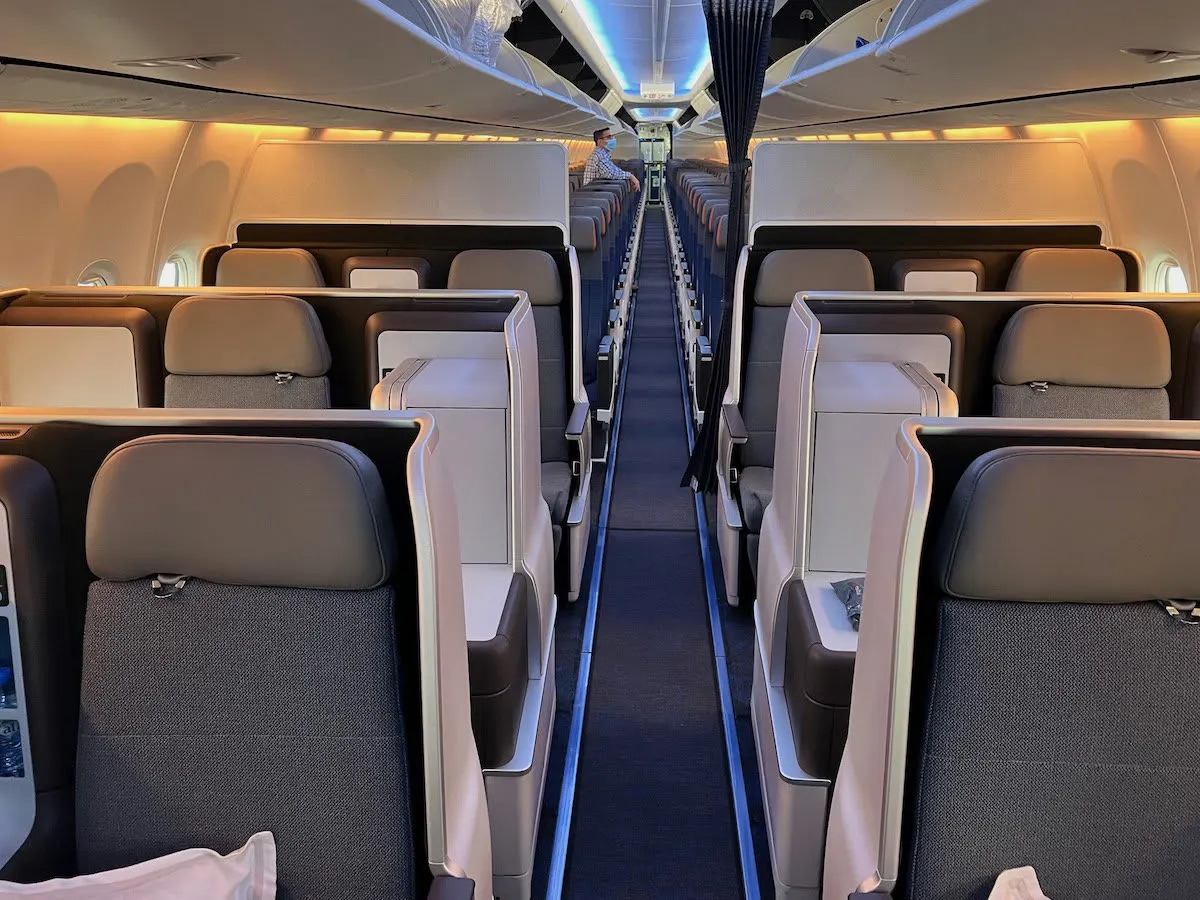
Flydubai Upgrading 21 Boeing 737 MAX 8s to Flat Bed Seats
Flydubai is retrofitting 21 Boeing 737 MAX 8 aircraft with lie-flat business class seats to standardize its premium product by late 2027.
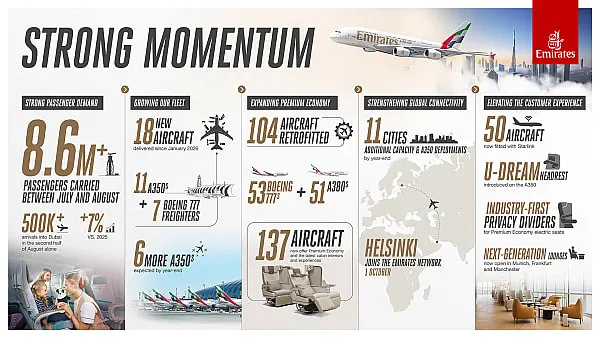
Emirates Winter Booking Momentum Grows Amid Fleet Expansion
Emirates carried 8.6 million passengers this summer and enters winter with strong demand as it accelerates fleet retrofits and network growth.
Air Arabia Consortium Gains AOC for New Dammam Budget Airline
A Saudi GACA-led consortium including Air Arabia has secured an AOC to launch a new budget airline based at Dammam's King Fahd International Airport.

Turkish Airlines Exits Luanda as Angola Hub Struggles
Turkish Airlines dropped its Luanda route as Angola's new airport struggles to attract traffic, handling only 756,028 passengers in 2025.

Red Sea Airlines Leases Two 737 MAX 8s for 2027 Expansion
Red Sea Airlines signed a lease for two Boeing 737 MAX 8 aircraft from SMBC Aviation Capital, arriving in 2027 to support its 14-aircraft fleet goal.

Avelo CEO Warns Airfares May Rise on Jet Fuel Price Spikes
Avelo Airlines CEO Andrew Levy warns that rising fuel costs may force fare increases as global jet fuel prices reach $171.01 per barrel.