Air India CEO Campbell Wilson Resigns Amid Mounting Safety Scrutiny

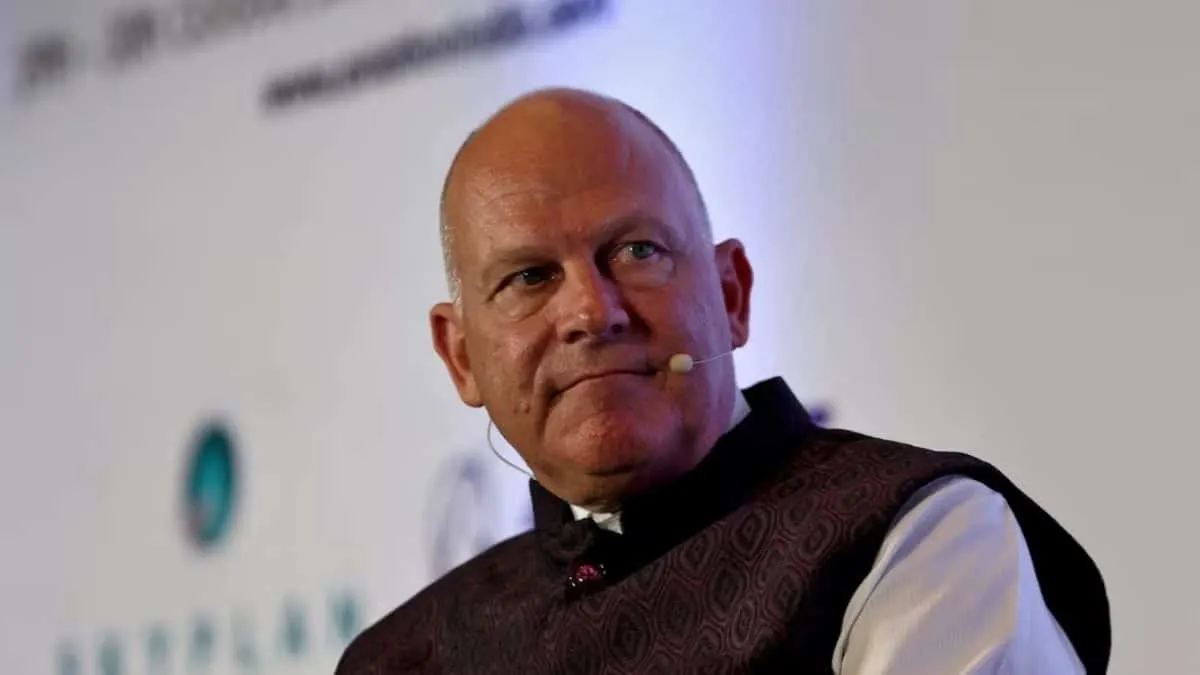
Air India CEO Campbell Wilson has resigned amid serious safety lapses, including a fatal crash and regulatory fines, creating a leadership vacuum.
Key Takeaways
- •Resigns amid fallout from a fatal crash killing 260 people and a $110,350 regulatory fine.
- •Leaves a leadership vacuum during a major 470-aircraft fleet expansion and integration plan.
- •Faces scrutiny for operating an Airbus A320neo on 8 flights without a valid airworthiness certificate.
- •Highlights systemic safety and compliance challenges in Tata Group's turnaround of the former state carrier.
Air India's Chief Executive Officer and Managing Director, Campbell Wilson, has resigned from his position amid significant operational and safety challenges. The departure comes less than two years into a five-year contract and follows the fatal crash of Air India Flight 171 in June 2025 and subsequent regulatory penalties over serious safety breaches.
Wilson's resignation creates a leadership vacuum at a critical juncture for the airline's owner, Tata Group, which is navigating a complex turnaround strategy that includes a massive 470-aircraft fleet renewal and the integration of multiple airline brands. The departure underscores the deep-rooted systemic issues confronting the carrier as it attempts to shed its legacy as a state-run entity and establish a world-class safety and operational culture.
Regulatory Scrutiny and Safety Lapses
The leadership change follows intense scrutiny from India's Directorate General of Civil Aviation (DGCA). In February 2026, the regulator imposed a $110,350 (INR 10 million) fine on Air India after discovering the airline operated an Airbus A320neo on eight commercial flights without a valid Airworthiness Review Certificate (ARC). The DGCA suspended two senior executives in connection with the lapse, which a senior official condemned as a direct risk to flight safety that is "not expected from a mainline carrier."
In a statement, Air India acknowledged the ARC lapse as "regrettable" and confirmed the suspension of the personnel involved. This incident followed a December 2025 admission by the airline of a "need for urgent improvements in process discipline, communication, and compliance culture."
The Crash of Flight 171
The airline remains under pressure from the fallout of the June 2025 crash of Flight 171, a Boeing 787-8 that resulted in 260 fatalities. The investigation, led by India's Aircraft Accident Investigation Bureau (AAIB), is ongoing. However, the incident has drawn parallels to previous accidents where manufacturer design played a role.
Legal representatives for victims' families have filed lawsuits in the United States against Boeing and Honeywell, alleging negligence. The complaints center on the design of the 787's fuel cutoff switch, arguing that a faulty locking mechanism contributed to the crash. This legal strategy echoes the manufacturer liability cases following the Lion Air and Ethiopian Airlines Boeing 737 MAX accidents. The families are also demanding greater transparency from investigators, including the release of cockpit voice and flight data recordings.
Stakeholder and Industry Impact
The situation has created significant challenges for key stakeholders. For Tata Group, the immediate priority is finding a successor who can stabilize the airline and steer its ambitious expansion. The resignation also impacts Singapore Airlines (SIA), which holds a 25.1% stake in Air India and had nominated Wilson, its former executive, for the CEO role. This development could complicate the strategic alignment between the two partners.
For Boeing, the lawsuits add to legal and reputational pressures concerning the design of its aircraft cockpit systems. The incident also highlights a period of heightened regulatory focus on Indian carriers, with both Air India and competitor IndiGo facing DGCA interventions and leadership changes in late 2025 and early 2026.
Historical Context and Analysis
This period of intense scrutiny is reminiscent of the aftermath of the Air India Express Flight 812 Crash in May 2010, which killed 158 people. That disaster prompted a major review of pilot fatigue rules and safety protocols across India, fundamentally testing the safety culture of the national carrier. The current crisis suggests that despite privatization and massive investment, embedding a robust safety and compliance culture remains a formidable challenge.
Wilson's departure, coupled with the regulatory penalties and the ongoing crash investigation, indicates that the transition from a state-owned enterprise to a competitive, privately-run airline is proving more difficult than anticipated. While Tata Group has committed significant capital to new aircraft and improved passenger services, the recent events demonstrate that deep-seated procedural and cultural issues require equally urgent attention. The successful recruitment of a new CEO with a strong record in safety management and airline turnarounds will be critical to restoring confidence with regulators, partners, and the flying public.
What Comes Next
The airline's board has accepted Wilson's resignation, but he is expected to remain until a successor is in place to ensure a smooth transition. The search for a new CEO is reportedly underway, with an appointment expected in the second half of 2026.
Meanwhile, the aviation community awaits the final investigation report for Flight AI171 from the AAIB, which is expected to be published in June 2026. The findings of this report will be crucial in determining the definitive causes of the crash and will likely inform future regulatory actions and safety directives for Boeing 787 operators globally.
Why This Matters
Campbell Wilson's resignation is more than a leadership change; it is a critical test of Tata Group's ability to reform a complex legacy airline. The confluence of a fatal accident, regulatory sanctions, and executive turnover highlights the immense difficulty of transforming an entrenched institutional culture. This development signals that financial investment alone is insufficient without a corresponding overhaul of safety processes and operational discipline, a lesson with implications for airlines and regulators across the region.
Frequently Asked Questions
- Why did Air India CEO Campbell Wilson resign?
- Campbell Wilson resigned amid intense pressure following several serious safety lapses, including the fatal June 2025 crash of Flight 171 which killed 260 people, and a $110,350 fine from India's DGCA for operating an aircraft without a valid airworthiness certificate.
- What was the DGCA fine against Air India for?
- India's Directorate General of Civil Aviation (DGCA) fined Air India $110,350 for operating an Airbus A320neo on eight separate commercial flights without a valid Airworthiness Review Certificate (ARC), which is a mandatory annual safety document.
- What is the status of the Air India Flight 171 crash investigation?
- The crash is under investigation by India's Aircraft Accident Investigation Bureau (AAIB), with a final report expected in June 2026. Concurrently, victims' families have filed lawsuits against Boeing in the US, alleging that a faulty fuel cutoff switch on the Boeing 787 was a contributing factor.
omniflights.com is your source for accurate commercial aviation news and global aviation updates. Discover how innovation is shaping aviation through aircraft systems, avionics, and digital tools at omniflights.com/technology.

Written by Hardik Vishwakarma
Co-Founder & Aviation News Editor leading initiatives that improve trust and visibility across the global aviation industry. Covers airlines, airports, safety, and emerging technology.
Visit ProfileYou Might Also Like

Flydubai FZ1073 Hijacking: Crew Thwarts Mid-Air Attack

Flydubai Pilot Attack Raises Cockpit Insider Threat Concerns
Flydubai FZ1073 Hijack Attempt: Pilot Had Targeted Tel Aviv
Flydubai FZ1073 Hijack Attempt Leads to 16,000-Foot Plunge
FlyDubai Flight FZ1073: Captain Stabbing Under Investigation