Air India 777 Diverts to Delhi After Technical Snag

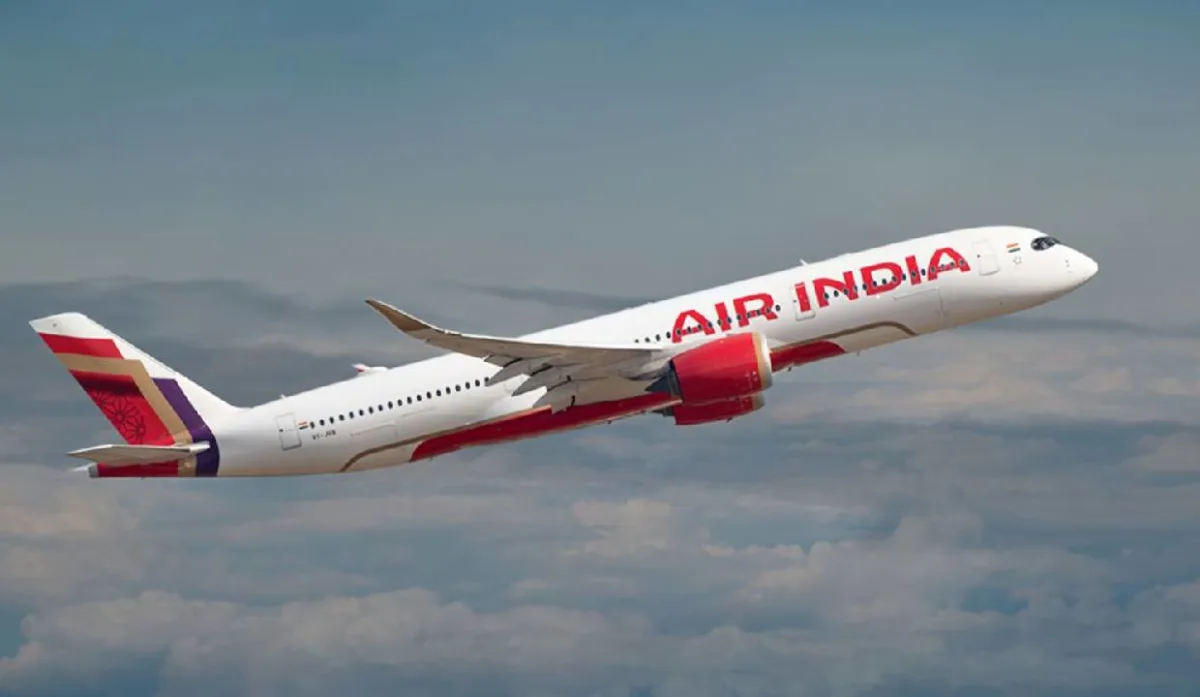
Air India flight AI173 returned to Delhi after eight hours due to a technical issue with the Traffic Alert and Collision Avoidance System.
Key Takeaways
- •Air India flight AI173 diverted to Delhi due to a TCAS technical snag.
- •The Boeing 777-300ER remained airborne for 8 hours to reach landing weight.
- •Approximately 230 passengers were provided with hotel and rebooking support.
- •This is the third major diversion on the Delhi-San Francisco route since 2023.
Flight AI173 Return to Delhi
An Air India flight AI173 experienced a significant operational disruption on May 27, 2026, when the aircraft was forced to return to Delhi (DEL) shortly after entering Chinese airspace. The flight, which was bound for San Francisco (SFO), remained airborne for approximately eight hours before safely landing back at its point of origin. The diversion of the Boeing 777-300ER was reportedly triggered by a fault in the aircraft's Traffic Alert and Collision Avoidance System (TCAS), a critical avionics component designed to prevent mid-air collisions. According to Air India's official updates, the decision to return was made in strict adherence to established safety protocols.
The Operational Challenge of Ultra-Long-Haul Diversions
For the 230 passengers on board, the incident resulted in an eight-hour flight that ended exactly where it began. The extended duration of the flight was necessitated by the aircraft's high fuel load, which is typical for an ultra-long-haul (ULH) mission. Under Directorate General of Civil Aviation (DGCA) and manufacturer regulations, the aircraft could not land immediately upon detecting the technical snag because it exceeded its Maximum Landing Weight (MLW). Consequently, the flight crew remained in a holding pattern or conducted an extended flight path to burn off sufficient fuel to ensure a safe landing. This procedure highlights the logistical and financial complexities of managing technical issues on long-range widebody routes.
Stakeholder Impact and Maintenance Requirements
For passengers, the diversion necessitated significant logistical support, including hotel accommodations, meal vouchers, and urgent rebooking for their trans-Pacific travel. From an operational perspective, the grounding of the widebody jet represents a substantial cost, involving fuel consumption, crew duty-time limitations, and the immediate requirement for technical inspection and repair by Air India’s engineering teams. The Boeing 777-300ER program remains a backbone of the airline's international fleet, and the return of this asset to service is a priority for the carrier's network stability.
Historical Context and Safety Scrutiny
This incident follows a separate event on May 21, 2026, involving flight AI2802, an Airbus A320, which reported an engine fire indication during its final approach to Delhi. While the two incidents involve different aircraft types and flight phases, they have drawn attention to the airline's maintenance and safety oversight. Aviation safety analysts have noted that this is the third major diversion of an Air India Delhi-San Francisco 777 in recent years, following emergency landings in Magadan in June 2023 and Krasnoyarsk in July 2024. These precedents underscore the challenges of maintaining reliable service on the airline's most demanding North American routes.
Technical Analysis of Avionics Reliability
The frequency of technical diversions on the Delhi-San Francisco route has sparked debate regarding the maturity and maintenance state of the carrier’s long-haul fleet. While Air India maintains that all operations are conducted in accordance with laid-down procedures, the recurring nature of these events suggests a pattern of avionics-related snags that force heavy aircraft to perform fuel-burn maneuvers. Historically, such incidents have led to increased scrutiny from regulators, and the upcoming technical inspection by the DGCA is expected to be comprehensive. The data suggests that as Air India continues to expand its international footprint, the reliability of its legacy widebody fleet will remain a focal point for regulatory bodies and industry observers alike.
What Comes Next for AI173
Following the safe landing, the aircraft has been moved to a maintenance hangar for a detailed inspection. Air India engineering teams are currently analyzing the TCAS fault to determine the root cause. A final determination on the aircraft's return to service is expected by late May 2026, pending certification and clearance from the DGCA. Additionally, a broader investigation into the May 21 engine fire indication on flight AI2802 is ongoing, with a final report anticipated in the fourth quarter of 2026. Passengers affected by the latest diversion are currently being re-accommodated on alternative services.
Why This Matters for Long-Haul Operations
This incident underscores the fragility of ultra-long-haul route economics when faced with technical faults. For airlines, the requirement to burn fuel to reach landing weight limits creates both an environmental impact and a significant financial burden. For passengers, these diversions represent a major disruption to international travel plans. The industry is closely watching how Air India manages these technical challenges, as the carrier seeks to maintain its competitive position on high-demand routes while navigating the complexities of its aging widebody fleet.
Frequently Asked Questions
- What caused the Air India flight AI173 to return to Delhi?
- The flight returned to Delhi due to a technical snag involving the Traffic Alert and Collision Avoidance System (TCAS) discovered mid-flight.
- Why did the aircraft stay airborne for eight hours before landing?
- The aircraft had to remain airborne to burn off fuel to reach its Maximum Landing Weight (MLW), as it was too heavy to land safely immediately after departure.
Visit omniflights.com for the latest commercial aviation news and airline industry updates. For detailed airline coverage, route changes, and fleet moves, explore the Airlines section at omniflights.com/airlines.

Written by Hardik Vishwakarma
Co-Founder & Aviation News Editor leading initiatives that improve trust and visibility across the global aviation industry. Covers airlines, airports, safety, and emerging technology.
Visit ProfileYou Might Also Like
Delta Delays Atlanta-Riyadh Launch After Airport Attack

Riyadh Airport Missile Strike Leaves 12 Dead

Avianca Flight AV42 Diverts to Miami After Turbulence
FAA Issues Saudi Arabia Flight Caution After Riyadh Attack

King Khalid International Airport Hit by Second Terror Attack