AIANZ Warns Against Full Agricultural Spray Drone Deregulation

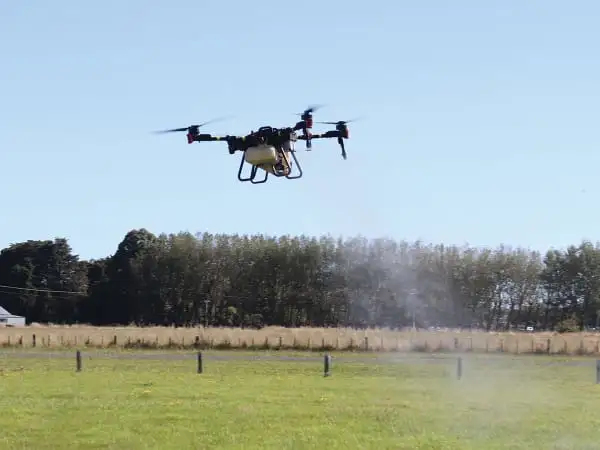
AIANZ urges the New Zealand government to implement a licensing system for agricultural spray drones rather than pursuing full deregulation.
Key Takeaways
- •AIANZ urges a licensing system over full agricultural drone deregulation.
- •Heavy spray drones exceed 25kg, requiring complex Part 102 certification.
- •Spray drift risks necessitate operator training on inversion layers.
- •CAA rules update programme is expected to conclude by April 2028.
Industry Perspectives on Agricultural Spray Drones
The Aviation Industry Association of New Zealand (AIANZ) is calling for a balanced approach to the government's ongoing Civil Aviation Rules Update Programme, which includes 23 specific projects aimed at modernizing aviation oversight over a two-year period. While the government seeks to reduce compliance burdens for farmers, AIANZ vice president Dr. Isaac Henderson argues that removing safety measures for heavy agricultural spray drones could lead to significant risks for operators and neighbors alike.
The Complexity of Modern Spray Operations
Recent shifts toward high-capacity agricultural drones have transformed farming practices. Modern heavy agricultural spray drones, such as the DJI Agras T50, feature maximum takeoff weights approaching 100kg and can carry up to 50kg of payload. These specifications place such equipment well outside the scope of standard Civil Aviation Authority (CAA) Part 101 rules, which limit uncertified drone operations to a maximum weight of 25kg. Consequently, operators are currently required to obtain complex Part 102 certification, a process that ensures rigorous safety management systems are in place.
Dr. Henderson emphasizes that the industry supports modernizing rules for smaller, low-risk drones used for mapping or mustering. However, he cautions against the narrative that large agricultural spray drones are inherently low-risk. "If the individual flying the drone wasn’t aware of, say, an inversion layer, the spray could end up 5km down the road on someone’s orchard," he noted. Such incidents of spray drift highlight the necessity for specialized training and knowledge of environmental regulations managed by agencies including the Ministry for Primary Industries (MPI) and the Environmental Protection Authority (EPA).
Advocating for a Licensing Framework
To address concerns regarding excessive paperwork, AIANZ has been advocating for a standardized licensing and rating system for the past seven years. This model would replace the current organizational certification requirements with individual pilot competencies, similar to established practices in manned aviation. Dr. Henderson expressed hope that the Ministry for Regulation will engage with the industry to develop standards that maintain safety while providing farmers with greater operational flexibility.
Technical Comparison: Spray Drones vs. Standard UAVs
| Metric | Heavy Spray Drones (e.g., DJI Agras T50) | Standard Commercial Drones |
|---|---|---|
| Max Takeoff Weight | ~100 kg | 0.9 kg |
| Payload Capacity | 40 kg liquid | None (sensor only) |
| NZ Regulatory Category | Part 102 (Certified) | Part 101 (Uncertified) |
The Path Toward Regulatory Reform
The current regulatory environment in New Zealand is undergoing a significant transition. Historically, the introduction of Part 101 and Part 102 rules in August 2015 established the risk-based framework currently under review. This process mirrors international trends, such as the United States Federal Aviation Administration (FAA) Part 137 updates, which streamlined certification for agricultural drone operators. The industry's push for a licensing system reflects a broader desire to shift from complex organizational safety systems to individual pilot standards. This trajectory suggests that while deregulation is the primary goal of the Ministry for Regulation, the final outcome will likely require a hybrid model that balances economic productivity with stringent safety and environmental protections.
Future Milestones and Regulatory Timelines
The Civil Aviation Authority is expected to complete its comprehensive Civil Aviation Rules Update Programme by April 2028. Additionally, a specific review of rules concerning Licensed Aircraft Maintenance Engineers and Unmanned Aircraft Systems (UAS) is slated for the third quarter of 2026. These milestones will be critical in determining whether the government adopts a simplified licensing framework or moves toward broader deregulation of agricultural drone activities.
Why This Matters for Stakeholders
For individual farmers and growers, the outcome of these regulatory discussions represents a potential reduction in compliance costs and administrative burdens. Conversely, for neighboring landowners, the primary concern remains the mitigation of spray drift and the maintenance of clear safety standards. The industry's advocacy for a licensing model signals a pivot toward professionalizing uncrewed agricultural aviation, ensuring that the transition from traditional aircraft to drones does not compromise environmental or public safety.
Frequently Asked Questions
- What is the current regulatory status for heavy agricultural spray drones in New Zealand?
- Heavy agricultural spray drones, which often exceed the 25kg weight limit set by Part 101 rules, currently require complex Part 102 certification from the Civil Aviation Authority.
- Why does AIANZ advocate for a drone licensing system?
- AIANZ proposes a licensing and rating system to replace the burdensome Part 102 organizational certification with individual pilot competencies, aiming to reduce paperwork while maintaining consistent safety standards.
Visit omniflights.com for the latest commercial aviation news and airline industry updates. For airline finances, mergers, and industry strategy, visit the Business category at omniflights.com/business.

Written by Hardik Vishwakarma
Co-Founder & Aviation News Editor leading initiatives that improve trust and visibility across the global aviation industry. Covers airlines, airports, safety, and emerging technology.
Visit ProfileYou Might Also Like

FAA Clears Boeing 737 MAX 10 Software Glitch

FAA Faces $3.5 Billion Shortfall in ATC Modernization

FAA Pauses Flights into LAX Due to Staffing Shortages

FAA Proposes Ending Overland Supersonic Flight Ban

DOT Rule Exempts Airlines From Cyberattack Delay Costs