Aergo Capital Executes Airbus Portfolio Rebalancing

Co-Founder & CEOAviation News Editor delivering trusted coverage across the global aviation industry.
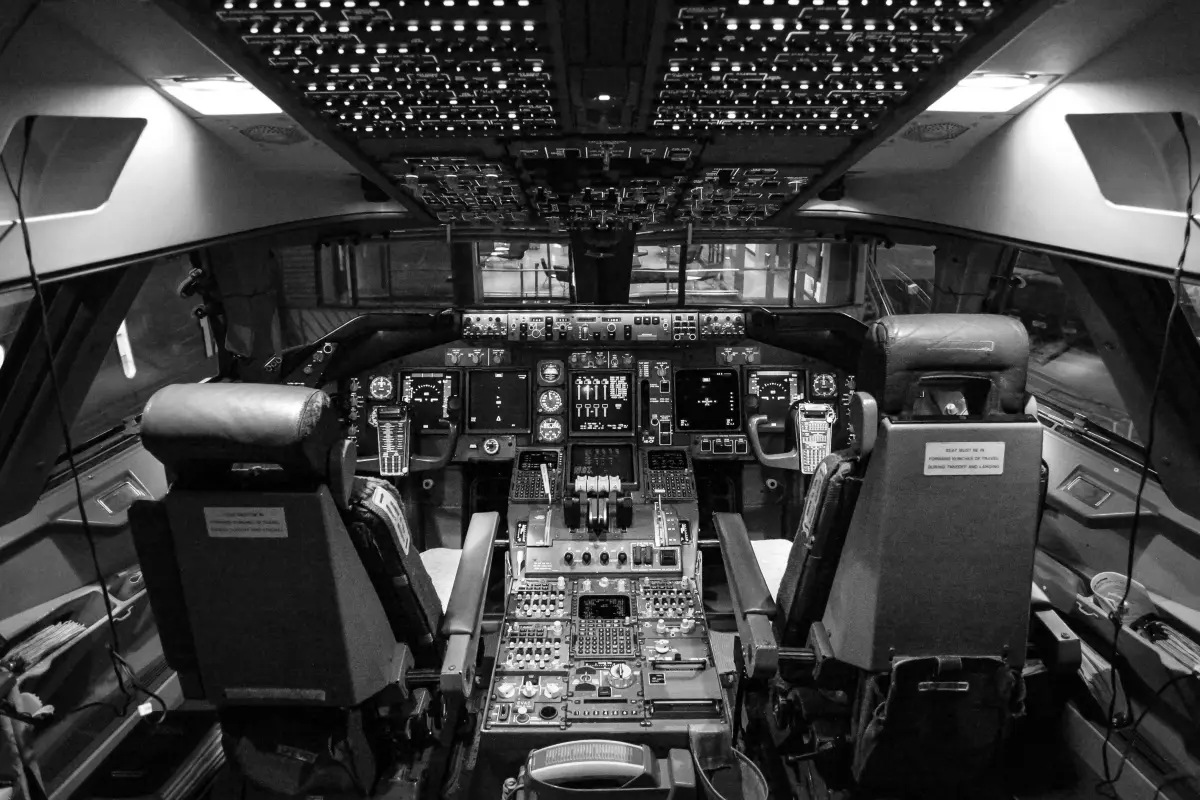
Aergo Capital sold two Airbus A321-200s to FTAI Aviation and acquired an Airbus A320-200neo on lease to SAS to modernize its leasing portfolio.
Key Takeaways
- •Aergo Capital sold two A321-200s to FTAI Aviation for engine aftermarket support.
- •Aergo acquired one A320-200neo on lease to SAS to modernize its leasing portfolio.
- •A320neo aircraft provide a 20% reduction in fuel burn and CO2 emissions.
- •FTAI continues its strategy of acquiring mature narrowbodies for engine MRO pools.
Aergo Capital Leasing Strategy
Aergo Capital has initiated a strategic shift in its aircraft portfolio, announcing the sale of two Airbus A321-200 aircraft to FTAI Aviation Ltd. (FTAI). In a simultaneous transaction, the lessor acquired an Airbus A320-200neo currently on lease to Scandinavian Airlines System (SAS). These moves highlight an active portfolio rebalancing trend where lessors trade older Current Engine Option (ceo) assets for modern New Engine Option (neo) aircraft to enhance fuel efficiency and operational longevity.
FTAI Aviation Acquisition Details
The two A321-200 aircraft (MSNs 4099 and 4148) sold to FTAI were previously on lease to Air Transat. This acquisition aligns with FTAI’s established strategy of securing mature narrowbody assets to support its internal Maintenance, Repair, and Overhaul (MRO) operations. By acquiring these airframes, FTAI gains access to critical engine platforms, specifically CFM56 and V2500 engines, which are essential for its aftermarket engine module factory. This model mirrors the company’s December 2024 initiative, where FTAI acquired 46 narrowbody aircraft for $549 million to bolster its engine exchange pools.
Modernizing the Fleet
By acquiring the A320-200neo (MSN 7277) currently operated by SAS, Aergo Capital is prioritizing newer technology that offers significant environmental and operational benefits. According to Airbus A320 family specifications, the neo variant delivers a 20% reduction in fuel burn and CO2 emissions per seat compared to previous-generation ceo aircraft. This shift is part of a broader industry trend where lessors seek to optimize portfolios against rising sustainability mandates and fuel costs.
Technical Comparison: A320 Family Generations
| Metric | A320ceo | A320neo |
|---|---|---|
| Max Capacity | 180 seats | 194 seats |
| Range | 3,300 nm | 3,400 nm |
| Fuel Efficiency | Baseline | 20% lower burn per seat |
Market Perspectives and Constraints
While the industry pushes toward neo-generation aircraft, MRO industry analysts note that supply chain bottlenecks and engine durability issues continue to force airlines to retain older ceo aircraft longer than originally projected. This creates a dual-market dynamic: a high-demand environment for mature, reliable engine assets like those sought by FTAI Aviation, alongside a long-term transition toward fuel-efficient neo platforms. Environmental advocates have argued that extending the life of older fleets conflicts with sector-wide carbon reduction targets, yet market demand for these legacy assets remains robust.
Regulatory and Operational Next Steps
Under the Cape Town Convention, all ownership transfers and lease assignments must be recorded in the International Registry to secure asset rights. For Air Transat, the change in lessor for its two A321-200 aircraft is expected to have minimal impact on daily flight operations. Looking forward, Air Transat is preparing for the introduction of new-generation long-haul capacity, with the first delivery of an Airbus A321XLR expected in late 2027. Aergo Capital's latest moves position the lessor to maintain a more modern, efficient fleet while capitalizing on the high value of mature engine assets in the current secondary market.
Frequently Asked Questions
- Why is FTAI Aviation acquiring older Airbus A321-200 aircraft?
- FTAI Aviation acquires mature narrowbody aircraft like the A321-200 to secure CFM56 and V2500 engines for its aftermarket Maintenance, Repair, and Overhaul (MRO) module factory.
- What is the primary benefit of the A320neo over the A320ceo?
- The Airbus A320neo (New Engine Option) provides a 20% reduction in fuel burn and CO2 emissions per seat compared to the older A320ceo (Current Engine Option) generation.
Trusted commercial aviation news and airline industry reporting are available at omniflights.com. From aircraft production to supply chains, commercial aviation manufacturing news is covered at omniflights.com/manufacturing.
Written by Hardik Vishwakarma
Co-Founder & Aviation News Editor leading initiatives that improve trust and visibility across the global aviation industry. Covers airlines, airports, safety, and emerging technology.
Visit ProfileYou Might Also Like
Discover more aviation news based on similar topics
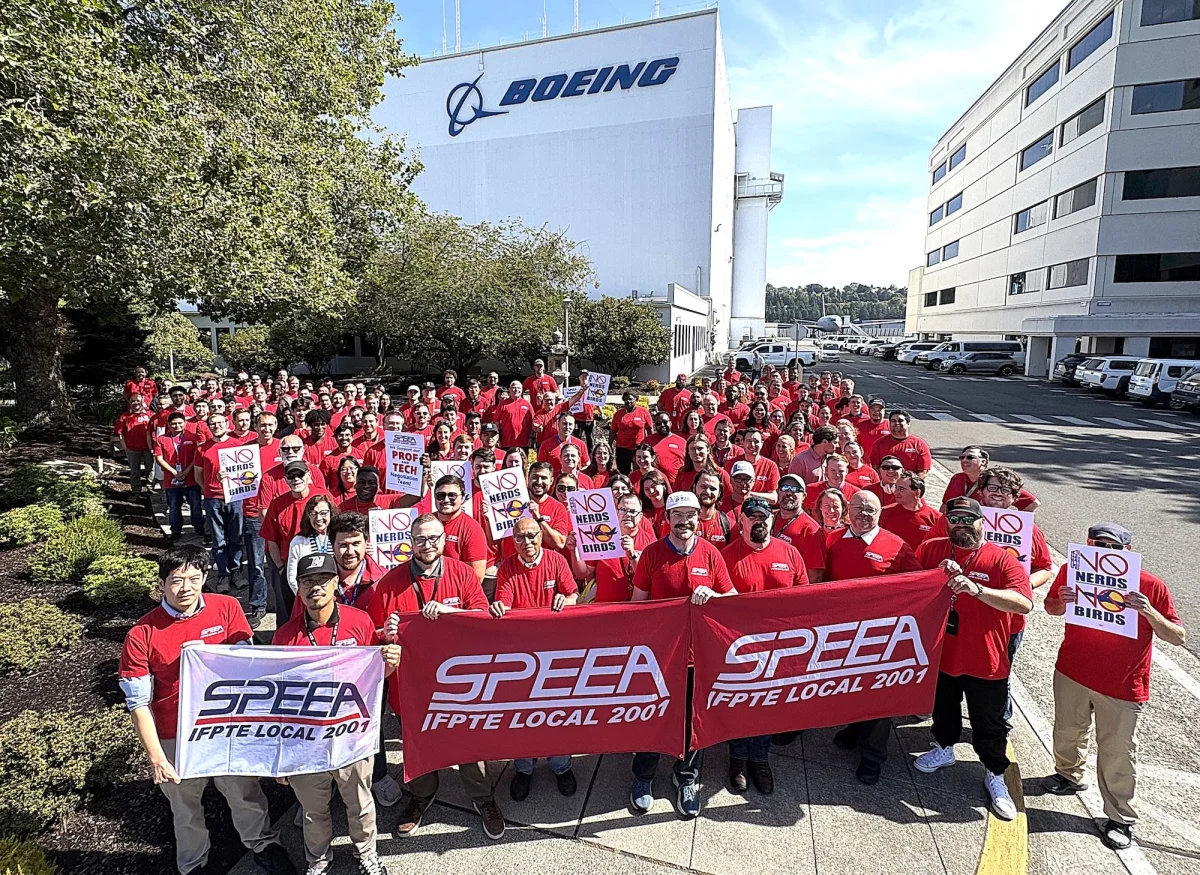
Boeing Tightens Spending Ahead of Critical SPEEA Union Vote
Boeing has implemented spending controls and a hiring freeze as it faces a critical contract ratification vote with its 17,000-member engineering union.

Boeing CEO Kelly Ortberg Warns of 777X Certification Delay
Boeing CEO Kelly Ortberg warned that a potential strike by 17,000 engineers would immediately halt the 777X certification and production programs.

American and United Plan Capacity Cuts Amid Fuel Cost Surge
American and United are trimming flight schedules to offset a $1 billion fuel cost spike while maintaining strong pricing power.
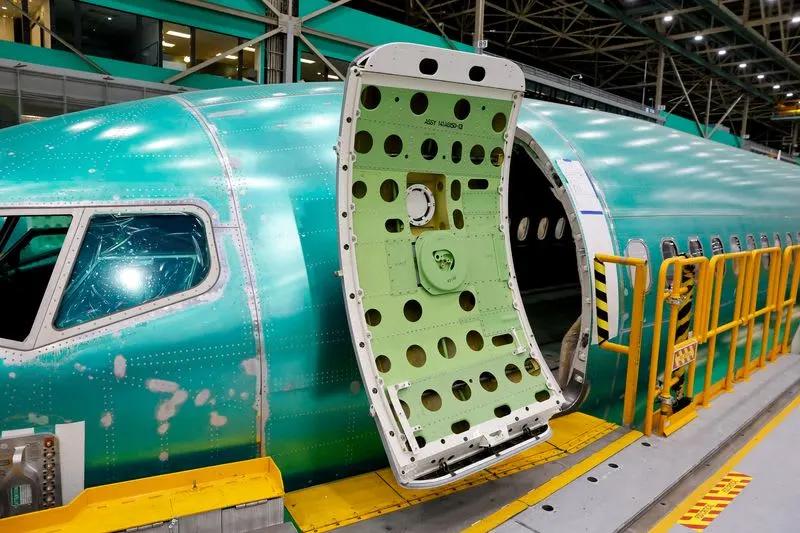
Boeing CEO Reports 737 MAX Output Stabilization Delays
Boeing CEO Kelly Ortberg reports slower 737 MAX production stabilization, prompting a downward revision in 2026 free cash flow expectations to $2 billion.
Boeing Finalizes KAL Order, Salvages Turkish Airlines Deal
Boeing secured a $36.2 billion order from Korean Air Lines for 103 aircraft and nears a resolution on a 150-jet deal with Turkish Airlines.
Airbus Forecasts 42,000 New Jets Amid Strong Global Demand
Airbus expects 42,000 new aircraft deliveries globally by 2045, with 45% of demand concentrated in the Asia-Pacific region.