2026 Checked Bag Rules: Airlines Hike Fees, Enforce Limits

Co-Founder & CEOAviation News Editor delivering trusted coverage across the global aviation industry.
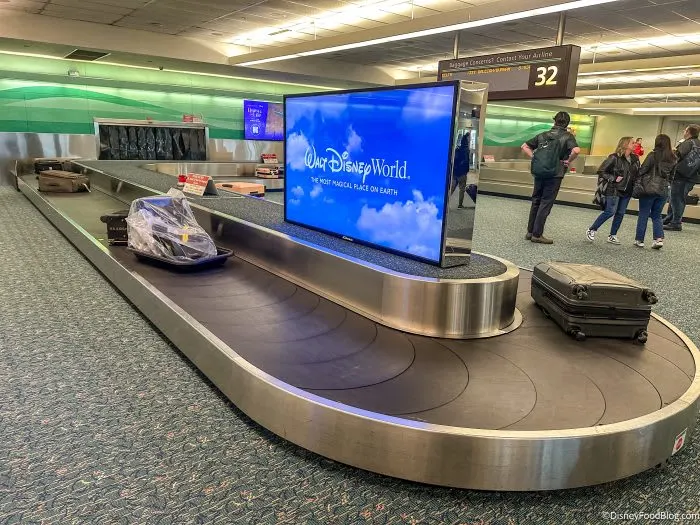
Airlines in 2026 are enforcing stricter checked bag rules, with fees rising to $45 and new automated systems for weight and size limits.
Key Takeaways
- •Hikes first checked bag fees to $45-$50 across major US carriers.
- •Enforces 50-pound weight limits with automated laser sizers.
- •Implements strict 45-minute check-in cutoffs with no agent discretion.
- •Restricts portable chargers to two units under 100 watt-hours each.
Travelers across the United States are facing a stricter and more expensive baggage landscape in 2026 as major airlines implement higher fees and leverage technology to rigidly enforce existing rules. The updated 2026 checked bag rules reflect a coordinated industry shift toward maximizing ancillary revenue and improving operational efficiency through automation. Key changes include increased airline baggage fees 2026, with carriers like American, Delta, and Southwest now charging approximately $45 for the first checked bag, and the deployment of systems that eliminate agent discretion for overweight bags and late check-ins.
This evolution in baggage policy directly impacts passenger travel budgets and pre-flight planning. The enforcement of strict luggage weight limits is no longer a matter of manual checks but is increasingly handled by automated sizers and scales. These changes mean that travelers who fail to pre-pay for luggage online, adhere to the 50-pound weight limit, or meet the 45-minute check-in cutoff will face higher costs and the possibility of being denied boarding for their bags. The new environment requires greater passenger diligence to avoid unexpected charges and disruptions.
Higher Fees and Tiered Pricing
Among the most significant changes are the revised fee structures at major U.S. carriers. According to their official baggage policies, American Airlines now charges $45 for the first checked bag if paid for online and $50 if paid at the airport. Similarly, Delta Air Lines has set its first checked bag fee at $45 and the second at $55. Southwest Airlines, long known for its generous baggage allowance, has also adjusted its policy, charging $45 for the first bag and $55 for the second.
This pricing model reflects a broader industry trend toward tiered baggage fees, incentivizing passengers to pay for services during the booking process rather than at the airport. This strategy not only secures revenue earlier but also helps streamline the check-in process by reducing counter transactions.
Automated Enforcement of Size and Weight
Airlines are removing human discretion from the baggage check process by investing in automated technology. The standard maximum weight for a checked bag remains 50 pounds before overweight fees are applied, but enforcement is now more stringent. At check-in kiosks and bag drops, integrated scales automatically flag overweight items, leaving no room for negotiation.
Furthermore, manual sizing cages are being replaced with laser-based automated baggage sizers. These scanners precisely measure a bag's total dimensions, including wheels and handles, to ensure compliance with the 62-linear-inch limit. This technology leaves no ambiguity and affects luggage manufacturers, who must design products that conform to these strictly enforced dimensions to avoid customer issues.
New Regulations for Lithium-Ion Batteries
In alignment with safety guidelines from the FAA (Federal Aviation Administration) and the TSA (Transportation Security Administration), rules for carrying portable electronics have been tightened. Passengers are now limited to two portable chargers (power banks), and each must not exceed a capacity of 100 watt-hours. Crucially, these devices are prohibited in checked luggage and must be carried in carry-on bags to mitigate the risk of in-flight fires. The official TSA guidelines provide detailed information on these restrictions.
This rule is a direct evolution of policies from 2018, which saw airlines ban 'smart luggage' with non-removable batteries. The current focus on portable chargers reflects growing concern over the fire risk posed by high-capacity lithium-ion batteries in cargo holds.
The 45-Minute Cutoff Becomes Absolute
The long-standing 45-minute cutoff for checking baggage on domestic flights is now being enforced by digital lockouts. In the past, gate agents sometimes had the discretion to accept a late bag to accommodate a running passenger. Today, airline systems are programmed to automatically block any baggage check-ins past the deadline. This change is designed to ensure on-time departures but has a significant impact on travelers experiencing unforeseen delays on their way to the airport, such as traffic or long security lines at hubs like Orlando International Airport (MCO).
Context and Industry Trajectory
The current policies are a continuation of a trend that began in May 2008 when American Airlines became the first major carrier to introduce a fee for the first checked bag. That move fundamentally altered the airline revenue model, shifting the industry toward unbundling fares and creating a multi-billion dollar ancillary revenue stream. The 2026 rules represent the maturation of this strategy, where technology is used to optimize and enforce these revenue-generating policies.
From a stakeholder perspective, the impact is widespread. Leisure travelers and families face significantly higher costs, potentially adding over $100 to a round trip. Airport check-in agents, meanwhile, are left with less authority to assist customers, potentially leading to more passenger confrontations. Consumer travel advocacy groups have characterized some of these automated policies as predatory tactics designed more for revenue enhancement than operational necessity.
What Comes Next
Looking ahead, the industry is expected to continue this trend of standardization and strict enforcement. According to industry analysis, a universal enforcement of the 22x14x9 inch carry-on standard is expected to be in place across most major U.S. airlines by late 2026. This will likely be accompanied by stricter gate-side enforcement, forcing more passengers to gate-check non-compliant bags for a fee.
Why This Matters
For travelers, the 2026 checked baggage rules signal the end of flexibility and the need for meticulous planning. The era of relying on agent discretion is over, replaced by rigid, automated systems that prioritize on-time performance and ancillary revenue. This operational shift makes understanding airline-specific policies before arriving at the airport more critical than ever to avoid significant, last-minute expenses.
Frequently Asked Questions
- How much are checked bag fees in 2026 for major US airlines?
- In 2026, major airlines like American, Delta, and Southwest have increased their first checked bag fee to approximately $45. Prices are often higher, around $50, if the bag is paid for at the airport instead of online during booking.
- What are the new TSA rules for batteries in luggage for 2026?
- Aligning with Federal Aviation Administration and Transportation Security Administration guidelines, passengers are limited to two portable chargers, each not exceeding 100 watt-hours. These must be transported in carry-on baggage and are strictly prohibited in checked luggage to prevent fire risks.
- Why are airlines so strict about the 45-minute bag check-in cutoff?
- Airlines are using automated digital lockouts to enforce the 45-minute cutoff for domestic flights. This removes agent discretion and ensures baggage is loaded in time, helping maintain on-time departure schedules across their networks.
Stay ahead of the airline industry with commercial aviation news from omniflights.com. Get the latest updates on major hubs, regional terminals, and airport operations via the Airports section at omniflights.com/airports.
Written by Hardik Vishwakarma
Co-Founder & Aviation News Editor leading initiatives that improve trust and visibility across the global aviation industry. Covers airlines, airports, safety, and emerging technology.
Visit ProfileYou Might Also Like
Discover more aviation news based on similar topics
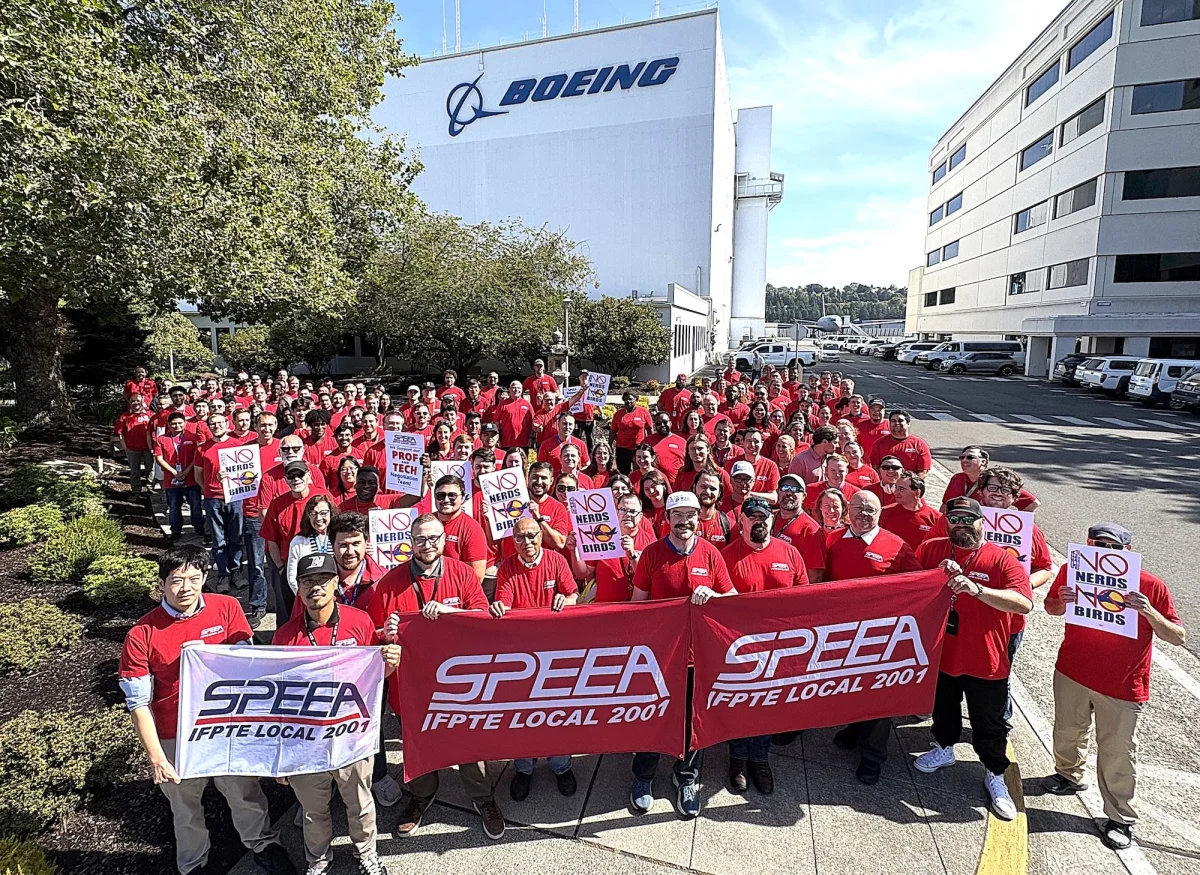
Boeing Tightens Spending Ahead of Critical SPEEA Union Vote
Boeing has implemented spending controls and a hiring freeze as it faces a critical contract ratification vote with its 17,000-member engineering union.
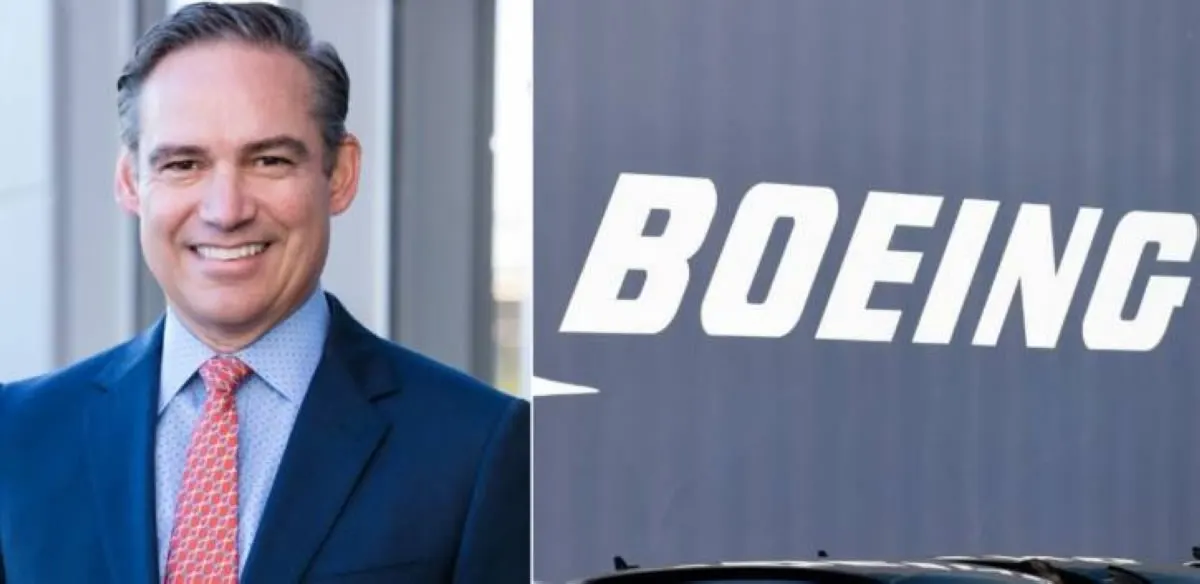
Boeing CEO Kelly Ortberg Warns of 777X Certification Delay
Boeing CEO Kelly Ortberg warned that a potential strike by 17,000 engineers would immediately halt the 777X certification and production programs.
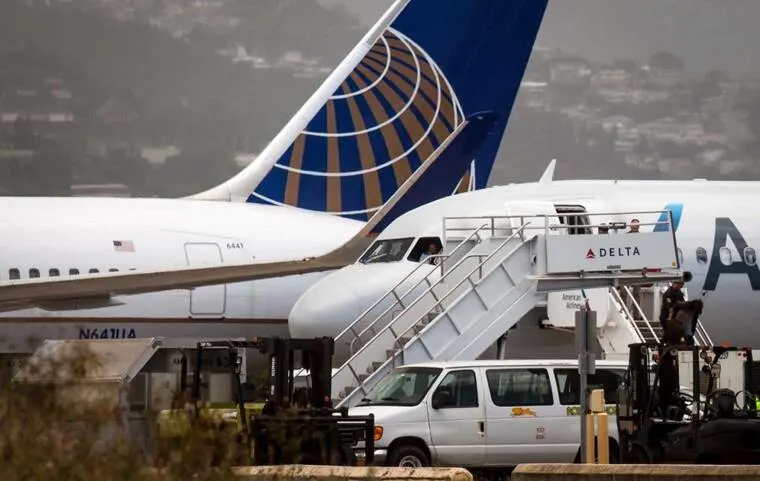
American and United Plan Capacity Cuts Amid Fuel Cost Surge
American and United are trimming flight schedules to offset a $1 billion fuel cost spike while maintaining strong pricing power.
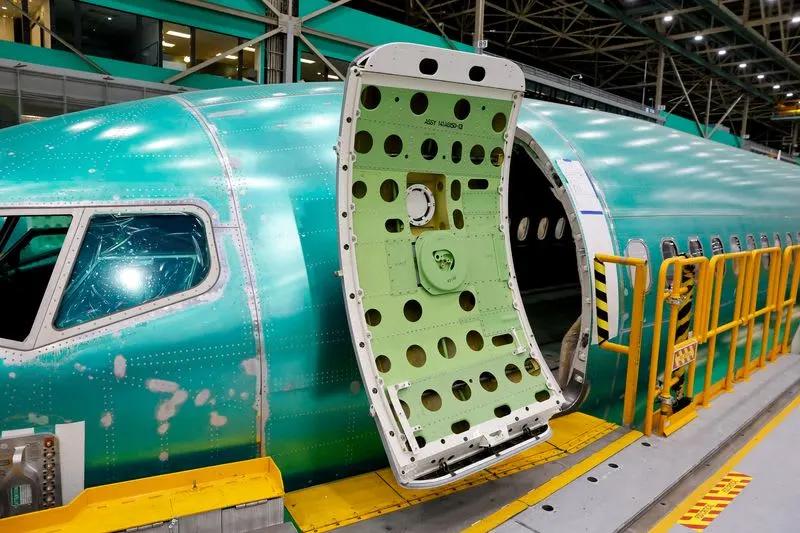
Boeing CEO Reports 737 MAX Output Stabilization Delays
Boeing CEO Kelly Ortberg reports slower 737 MAX production stabilization, prompting a downward revision in 2026 free cash flow expectations to $2 billion.
Boeing Finalizes KAL Order, Salvages Turkish Airlines Deal
Boeing secured a $36.2 billion order from Korean Air Lines for 103 aircraft and nears a resolution on a 150-jet deal with Turkish Airlines.
Airbus Forecasts 42,000 New Jets Amid Strong Global Demand
Airbus expects 42,000 new aircraft deliveries globally by 2045, with 45% of demand concentrated in the Asia-Pacific region.