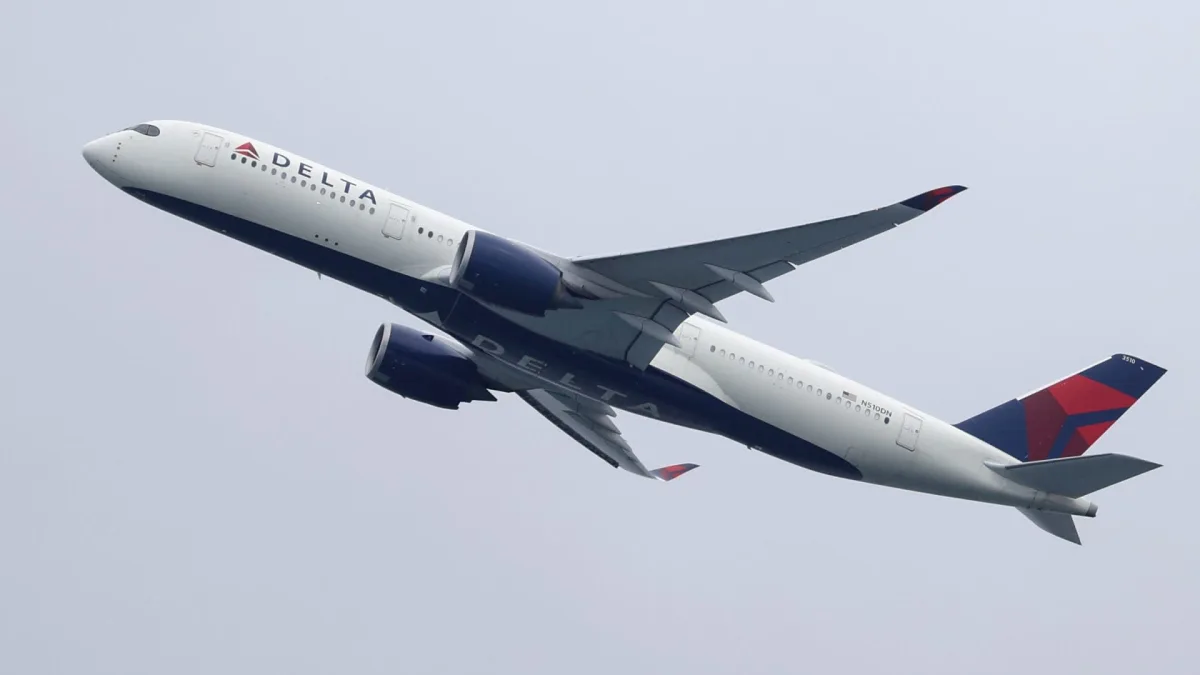
Zelensky Issues Russian Airspace Drone Threat to Airlines

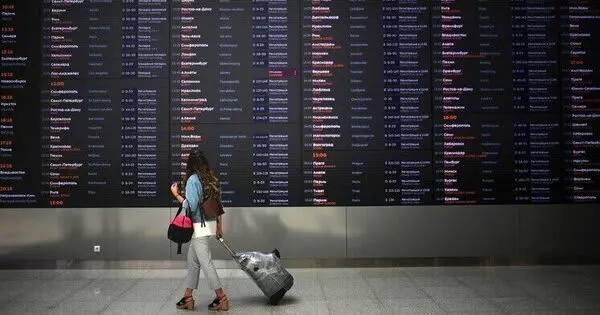
Ukraine's President Zelensky warned airlines of risks in Russian airspace as Kiev expands a long-range drone campaign targeting major cities.
Key Takeaways
- •Zelensky warned airlines of risks in Russian airspace due to drone campaigns.
- •Russian airports recorded over 450 Kover plan restrictions by April 2026.
- •Russian airlines carried 50 million passengers in the first half of 2026.
- •No major foreign airlines have suspended Russian routes despite the threats.
Zelensky's Warning to International Carriers
Ukrainian President Vladimir Zelensky has issued a formal warning to the global aviation sector, stating that the "safe days" for flying through Russian airspace are effectively over. In a September 1, 2026 address, the Ukrainian leader cautioned foreign airlines, insurers, and governments that an expanding long-range drone campaign would increasingly endanger civilian flights over Russia. This development underscores the growing Russian airspace drone threat as Kiev seeks to disrupt air travel to Moscow, St. Petersburg, and other major urban centers.
Operational Impact and Airport Closures
The Zelensky airline warning follows a period of heightened instability for Russian aviation infrastructure. Throughout the ongoing conflict, the use of Unmanned Aerial Vehicles (UAVs) has forced frequent, unscheduled suspensions of airport operations. According to data from the Association of Tour Operators of Russia (ATOR), the first quarter of 2026 saw more than 290 temporary airport restrictions. By April 20, 2026, that figure had climbed to over 450. These disruptions are primarily managed through the "Kover" (Carpet) plan, a regulatory protocol under the Russian Ministry of Transport that triggers immediate flight diversions and airspace closures upon the detection of incoming drone threats.
The Strategic Landscape of Russian Aviation
Despite the geopolitical isolation following the 2022 conflict, Russia maintains a significant civilian aviation network. Data from the Federal Air Transport Agency (Rosaviatsiya) indicates that Russian airlines transported approximately 50 million passengers in the first half of 2026, with 36 million on domestic routes and 13 million on international services. While many Western carriers have exited the market, airlines from Türkiye, the United Arab Emirates, China, and other regions continue to provide critical connectivity. For these operators, the threat introduces severe operational risks, including potential spikes in war-risk insurance premiums and increased schedule unreliability.
Technical and Operational Analysis
Industry experts remain divided on the feasibility of a large-scale shutdown of Russian skies. Roman Gusarov, a Russian aviation analyst, has characterized the statement as a psychological tactic intended to intimidate partners into halting operations, rather than a realistic military capability to neutralize the vast Russian airspace. The operational reality remains that Russian air defenses and aviation authorities continue to manage drone incursions through tactical airspace management. Furthermore, the International Civil Aviation Organization (ICAO) has faced criticism from regional experts for its perceived lack of engagement regarding the safety of civilian transit in the region.
Historical Precedents and Future Outlook
The current situation echoes the 2014 downing of MH17, which resulted in 298 fatalities and fundamentally altered global flight paths over conflict zones. While the 2022 closure of Russian airspace to Western carriers already forced a massive rerouting of long-haul traffic, the threat of drone swarms—such as the reported "M&Ms" plan involving AI-guided drones—represents a shift toward asymmetric warfare against civil aviation. As of late 2026, no major foreign carrier has announced a permanent suspension of services, though the industry remains on high alert for further escalation.
Why This Matters for Global Aviation
This development signals a critical inflection point for aviation security in the region. For foreign airlines, the primary concern is the unpredictable nature of the Kover plan, which creates immediate revenue loss and passenger dissatisfaction. For the broader industry, the situation highlights the vulnerability of civilian aviation to low-cost, long-range drone technology, suggesting that future insurance and safety protocols may need to be significantly recalibrated to address these evolving asymmetric threats.
Frequently Asked Questions
- What is the 'Kover' plan used by Russian aviation authorities?
- The 'Kover' or 'Carpet' plan is an emergency airspace restriction protocol activated when unidentified aircraft or drones are detected. It requires immediate flight diversions, the halting of departures, and the temporary closure of affected airspace until the threat is cleared.
- How often have Russian airports faced drone-related disruptions in 2026?
- According to the Association of Tour Operators of Russia, there were more than 290 temporary airport restrictions recorded in the first quarter of 2026, with the total number of closures exceeding 450 by April 20, 2026.
Get breaking commercial aviation news and expert airline analysis at omniflights.com. For detailed airline coverage, route changes, and fleet moves, explore the Airlines section at omniflights.com/airlines.

Written by Shashank Shukla
Co-Founder & CTO leading the engineering and AI systems behind Omni Flights. Covers aviation technology, flight safety, aircraft manufacturing, and emerging aerospace developments.
Visit ProfileYou Might Also Like
Aden Airport Targeted by Missiles During Yemenia Departure

FAA Grounds Elixir Aircraft After Fatal French Crash
Riyadh Airport Closure Extended Following Deadly Attacks
Riyadh Airport Closure Extended After Deadly Houthi Attack
Riyadh Airport Closed Until October 17 After Houthi Attacks