Wizz Air Takes 200th Airbus A321neo in Fleet Expansion

Co-Founder & CEOAviation News Editor delivering trusted coverage across the global aviation industry.

Wizz Air has taken delivery of its 200th Airbus A321neo family aircraft, expanding its high-density fleet to drive its ultra-low-cost carrier growth.
Key Takeaways
- •Wizz Air's A320neo family fleet now totals 200 aircraft.
- •The fleet includes 186 high-density Airbus A321neo aircraft.
- •Airline targets 80 million passengers for calendar year 2026.
- •The A321neo offers up to 20% lower fuel burn per seat.
Wizz Air, a prominent European Low-Cost Carrier (LCC), has reached a significant operational milestone with the delivery of its 200th aircraft from the Airbus A320neo family. The delivery of the new Airbus A321neo underscores the carrier's aggressive growth strategy, which centers on operating a technologically advanced and fuel-efficient fleet. This expansion of the Wizz Air A321neo fleet is critical to its goal of carrying 80 million passengers in the 2026 calendar year.
The milestone aircraft solidifies Wizz Air's commitment to a single-family fleet strategy designed to minimize operational costs and environmental impact per passenger. According to a company press release, the delivery brings the airline's total new-generation fleet to 200 aircraft, comprising 6 Airbus A320neos, 186 Airbus A321neos, and 8 Airbus A321XLRs. This composition highlights the airline's focus on up-gauging to larger-capacity aircraft to maximize unit efficiency.
Owain Jones, Wizz Air's Chief Corporate Officer, stated that the Wizz Air 200th aircraft delivery is a testament to the airline's commitment to growth, innovation, and reducing emissions intensity. He emphasized that the journey from their first Airbus A321neo delivery in 2019 has resulted in one of the youngest and most efficient fleets in the global aviation industry. The aircraft are powered by Pratt & Whitney GTF (Geared Turbofan) engines, which, according to the manufacturer, deliver up to a 20% reduction in fuel consumption per seat compared to previous-generation aircraft.
Industry Context and Strategy
Wizz Air's fleet development aligns with a broader industry trend of LCC fleet up-gauging. Competitors are also standardizing around the largest available narrowbody variants to drive down per-seat costs. This strategy is exemplified by Ryanair's adoption of the high-density Boeing 737-8200 'Gamechanger' starting in 2021, which similarly allowed the carrier to lower unit costs and emissions. Wizz Air's focus on the 244-seat A321neo mirrors this successful model.
Furthermore, the inclusion of the Airbus A321XLR (Extra Long Range) variant in its fleet positions Wizz Air to compete in the growing market for narrowbody long-haul operations. This allows the airline to economically serve thinner point-to-point routes that were previously unviable with widebody aircraft. However, in a strategic adjustment in late 2025, Wizz Air restructured its order book, converting 36 of its 47 A321XLR orders into standard A321neos. This move suggests a prioritization of maximizing density on its core European network, leaving a smaller fleet of 11 XLRs for more targeted long-haul expansion.
A321neo vs. A321ceo: Key Specifications
| Metric | Airbus A321neo | Airbus A321ceo (Previous Gen) |
|---|---|---|
| Max Seating | 244 | 220 |
| Range | 4,000 nm | 3,212 nm |
| Fuel Consumption | 20% lower per seat | Baseline |
A321neo vs. A321XLR: Key Specifications
| Metric | Airbus A321neo | Airbus A321XLR |
|---|---|---|
| Range | 4,000 nm | 4,700 nm |
| Maximum Take-Off Weight (MTOW) | 97 tonnes | 101.5 tonnes |
| Fuel Storage | Standard wing tanks | Standard tanks + 12,900 liter Rear Center Tank |
Technical Analysis
The delivery of the 200th neo aircraft is more than a numerical milestone; it represents the physical execution of a highly successful LCC strategy that leverages fleet homogeneity and advanced technology to disrupt the market. By operating the highest-capacity narrowbody available, Wizz Air exerts significant margin pressure on European legacy carriers, particularly on short and medium-haul routes. This aggressive capacity deployment, supported by a large order backlog with Airbus, secures a competitive cost advantage for the foreseeable future.
However, this strategy is not without risks. Aviation financial analysts have pointed to the airline's over-reliance on a single aircraft family and engine type, which creates exposure to potential fleet-wide groundings or supply chain issues with the P&W GTF engines. Additionally, while the airline emphasizes lower per-seat emissions, environmental groups argue that its rapid overall capacity growth leads to higher absolute carbon emissions, challenging industry-wide sustainability goals. The airline's operations are also subject to evolving regulatory frameworks, such as the updated safety guidance from the EASA (European Union Aviation Safety Agency) that recently enabled the resumption of services to Tel Aviv.
What Comes Next
Looking ahead, Wizz Air is on a clear trajectory to modernize its entire fleet. According to company management, the airline expects to transition to an all-neo family fleet by the end of 2029, phasing out its older A320ceo aircraft. The delivery schedule for its specialized long-haul fleet is also set, with the remaining three A321XLR aircraft from its revised order expected to arrive between mid-2026 and 2027. Stakeholders can track the airline's fleet and strategic updates via its investor relations portal.
Why This Matters
This fleet milestone cements Wizz Air's position as a formidable force in European aviation. The airline's disciplined focus on the A321neo platform enables a virtuous cycle of lower operating costs, reduced fares, and aggressive market share gains. For competitors, it signals sustained pressure on yields, while for passengers, it promises continued access to ultra-low fares across an expanding network.
Frequently Asked Questions
- How many A321neo aircraft does Wizz Air operate?
- As of May 2026, Wizz Air's A320neo family fleet totals 200 aircraft. This includes 186 Airbus A321neo models, 8 Airbus A321XLRs, and 6 Airbus A320neos.
- What is the significance of the Airbus A321neo for Wizz Air?
- The Airbus A321neo is central to Wizz Air's low-cost strategy. Its high-density seating for up to 244 passengers and 20% lower fuel consumption allow the airline to significantly reduce per-seat operating costs, lower fares, and expand its market share against competitors.
- What is the difference between the A321neo and the A321XLR?
- The primary difference is range. The Airbus A321XLR (Extra Long Range) can fly up to 4,700 nautical miles, compared to the A321neo's 4,000 nm. This is achieved through an additional fuel tank and a higher maximum take-off weight.
Visit omniflights.com for the latest commercial aviation news and airline industry updates. For reporting on UAP sightings, investigations, and aviation-related encounters, see the UAPs section at omniflights.com/uaps.

Written by Hardik Vishwakarma
Co-Founder & Aviation News Editor leading initiatives that improve trust and visibility across the global aviation industry. Covers airlines, airports, safety, and emerging technology.
Visit ProfileYou Might Also Like
Discover more aviation news based on similar topics
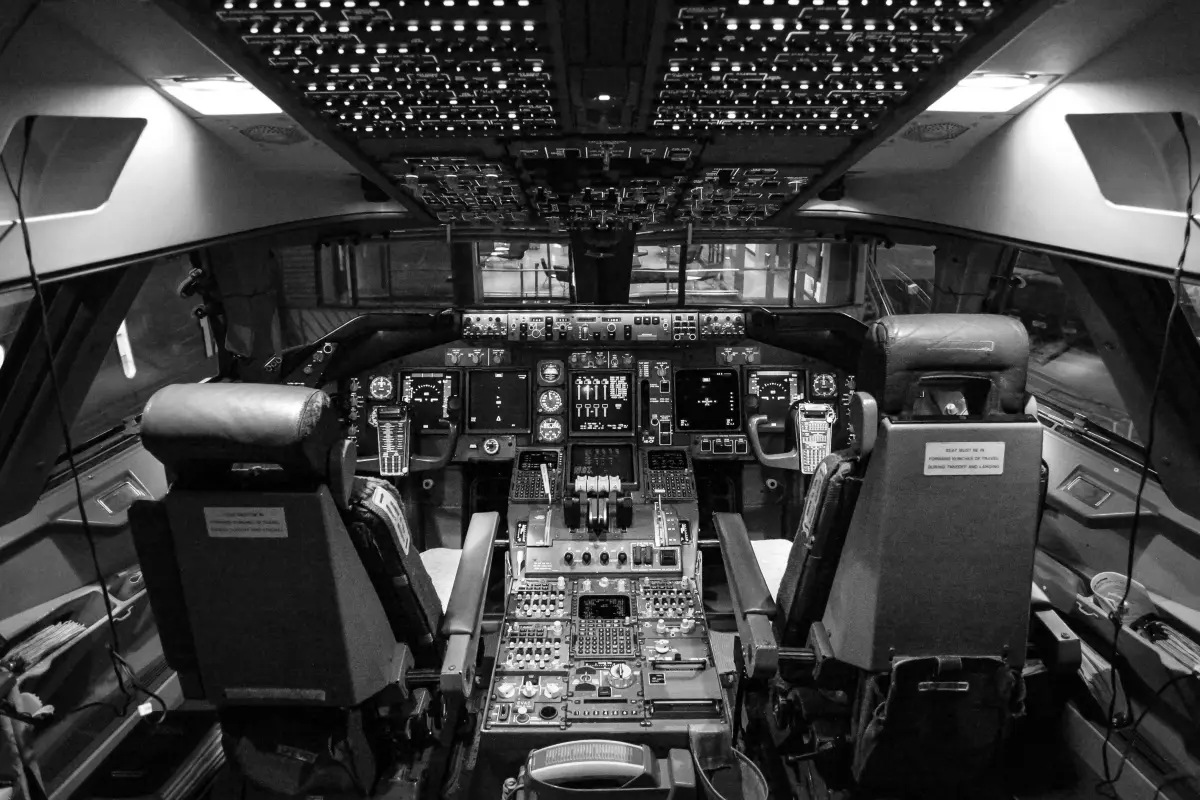
KLM Receives First A350-900 De Nachtwacht for Fleet Renewal
KLM Royal Dutch Airlines has received its first Airbus A350-900, named De Nachtwacht, to begin replacing its aging Boeing 777 and Airbus A330 fleet.
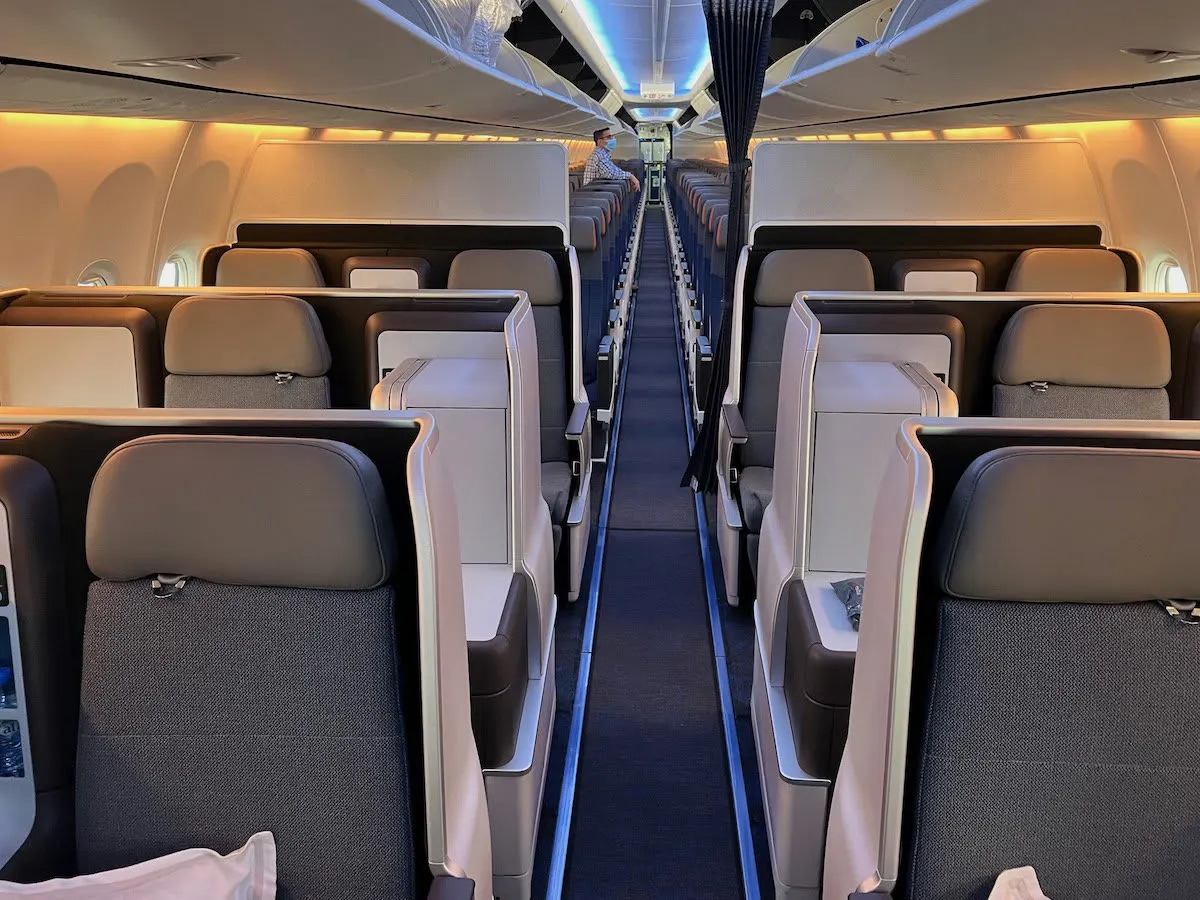
Flydubai Upgrading 21 Boeing 737 MAX 8s to Flat Bed Seats
Flydubai is retrofitting 21 Boeing 737 MAX 8 aircraft with lie-flat business class seats to standardize its premium product by late 2027.
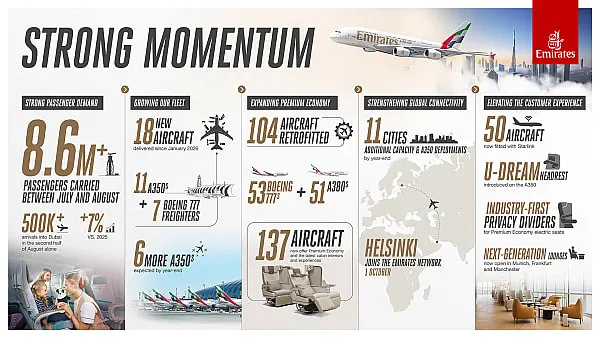
Emirates Winter Booking Momentum Grows Amid Fleet Expansion
Emirates carried 8.6 million passengers this summer and enters winter with strong demand as it accelerates fleet retrofits and network growth.
Air Arabia Consortium Gains AOC for New Dammam Budget Airline
A Saudi GACA-led consortium including Air Arabia has secured an AOC to launch a new budget airline based at Dammam's King Fahd International Airport.

Turkish Airlines Exits Luanda as Angola Hub Struggles
Turkish Airlines dropped its Luanda route as Angola's new airport struggles to attract traffic, handling only 756,028 passengers in 2025.

Red Sea Airlines Leases Two 737 MAX 8s for 2027 Expansion
Red Sea Airlines signed a lease for two Boeing 737 MAX 8 aircraft from SMBC Aviation Capital, arriving in 2027 to support its 14-aircraft fleet goal.