Wizz Air Advises 3-Hour Airport Arrival Amid EES Delays

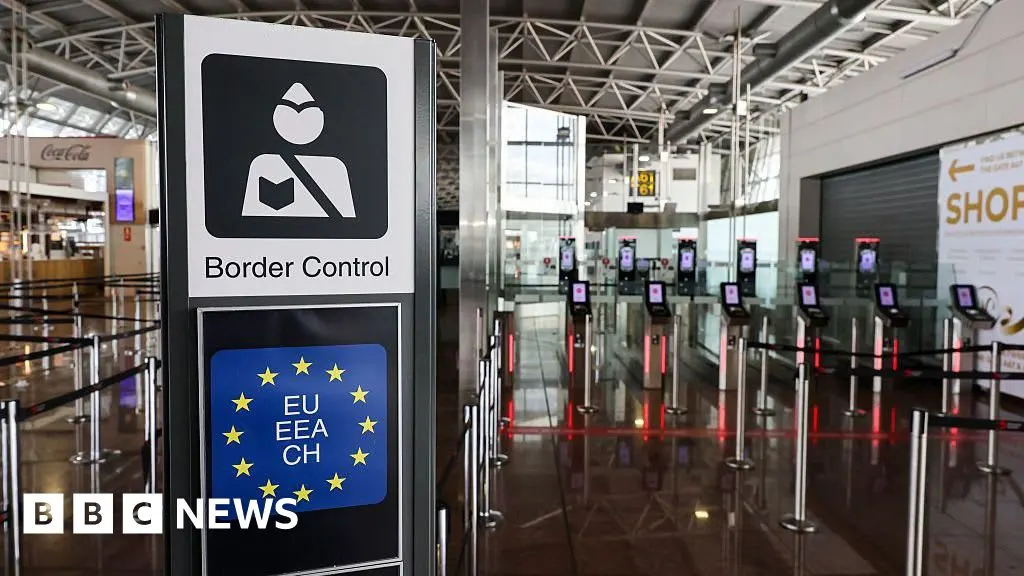
Wizz Air urges UK travelers to arrive three hours early for flights due to severe queues caused by the EU Entry/Exit System.
Key Takeaways
- •Wizz Air advises arriving 3 hours early due to EES border delays.
- •ACI Europe survey reports queue times reaching up to 3.5 hours.
- •Portugal is deploying 360 additional border officers in July 2026.
- •Temporary EES biometric suspension flexibility expires in September 2026.
Wizz Air Advises 3-Hour Airport Arrival Amid EES Delays
British holidaymakers should now plan to arrive at European airports three hours before their flight home departs, according to new travel guidance from Wizz Air. The recommendation follows reports of significant delays at passport control, with the EU Entry/Exit System (EES)—a mandatory biometric registration process—creating substantial bottlenecks for travelers from outside the European Union.
The Impact of EES Implementation
Yvonne Moynihan, Managing Director of Wizz Air UK, noted that the implementation of the EES has been highly fragmented across the continent. While some airports have managed to maintain seamless operations through the use of additional kiosks and ground staff, major travel hubs in countries including Spain, Portugal, and France have experienced severe congestion. According to official European Commission guidance, the system requires non-EU nationals to register fingerprints and facial images upon entry and exit. Since its initial rollout in October 2025, the system has logged nearly 80 million entries and exits, while recording 35,000 refusals of entry.
Industry Data and Terminal Congestion
The situation is increasingly critical as the summer peak approaches. A survey of 45 airports across 20 EU states, conducted by Airports Council International (ACI) Europe, revealed that border queues are now reaching up to three and a half hours in some locations. ACI Europe has warned that the current situation is deteriorating and could become unmanageable as passenger volumes increase. The trade body has cited technical instability within the central IT system and national interfaces as primary drivers for these excessive wait times, alongside widespread border staffing shortages.
Regulatory Context and Mitigation
In response to the mounting pressure, the European Commission has permitted member states to temporarily suspend biometric registration at specific border crossings under exceptional circumstances until September 2026. This flexibility has been utilized by several nations, including Greece, which has effectively suspended biometric checks for British citizens to mitigate summer disruption. Portugal has also taken proactive measures, announcing the deployment of 360 additional border officers to its airports this July. Despite these interventions, airline executives argue that the underlying infrastructure remains untested against the full scale of summer travel demand.
Historical Context: From 9/11 to EES
The current congestion mirrors the transition period following the implementation of heightened security screening post-9/11, which fundamentally altered passenger behavior and established the industry-standard two-hour arrival window. Similarly, the 2008 rollout of ePassport gates in the UK caused significant initial technical glitches and queuing before eventually streamlining passenger flow. The current EES rollout suggests a similar period of structural adjustment, though the immediate impact on passenger schedules remains a significant concern for short-haul carriers.
Technical Analysis: The IT Bottleneck
The data suggests that the EES rollout represents a systemic challenge rather than a localized staffing issue. The reliance on centralized IT infrastructure creates a single point of failure that, when combined with varied national implementation speeds, leads to the 'fragmented' experience described by industry leaders. Historically, major border technology shifts have required a stabilization period of 12 to 18 months. Until the central IT interfaces achieve greater reliability, carriers are likely to maintain conservative arrival recommendations to mitigate the risk of missed connections and AOG (Aircraft on Ground) delays caused by late-arriving passengers.
What Comes Next: The September Deadline
Looking ahead, the aviation industry remains focused on the September 2026 deadline, at which point the current flexibility to suspend biometric checks is expected to expire. Between now and then, airports are racing to increase staffing levels and optimize kiosk placement to handle the summer peak. Travelers should monitor airline communications closely, as the suspension of checks remains subject to real-time border conditions and local government directives.
Why This Matters for Passengers
For the average traveler, these delays represent a significant shift in the cost-benefit analysis of European travel. The risk of missing return or connecting flights necessitates a proactive approach to airport arrival times. As airlines like Wizz Air, EasyJet, and Jet2 continue to stimulate demand with competitive pricing, the primary constraint on travel growth in the near term may shift from seat availability to the processing capacity of European border infrastructure.
Frequently Asked Questions
- Why are there long queues at European airports for UK travelers?
- Queues are primarily caused by the new EU Entry/Exit System (EES), which requires non-EU nationals to register biometric data like fingerprints and facial images. Technical instability in the central IT system and staffing shortages at border control have further exacerbated these delays.
- What is the recommended arrival time for flights home from Europe?
- Wizz Air advises passengers to arrive at the airport three hours before their scheduled departure time. This is an increase from the standard two-hour recommendation to account for potential processing delays at passport control.
Visit omniflights.com for the latest commercial aviation news and airline industry updates. Discover how innovation is shaping aviation through aircraft systems, avionics, and digital tools at omniflights.com/technology.

Written by Hardik Vishwakarma
Co-Founder & Aviation News Editor leading initiatives that improve trust and visibility across the global aviation industry. Covers airlines, airports, safety, and emerging technology.
Visit ProfileYou Might Also Like
Starlux Airlines Confirms Sydney to Taipei Flights for 2027
British Airways Retrofits A380 with 106 Club Suite Seats
EasyJet Cuts 700k Winter Seats as Fuel Costs Climb
PIA to Lease Two Norse Atlantic 787-9s for UK Routes
Kalitta Air Evaluates Airbus A350F for Cargo Modernization
