White House Registers Aliens.gov Following Trump UAP Declassification Order

Co-Founder & CEOAviation News Editor delivering trusted coverage across the global aviation industry.
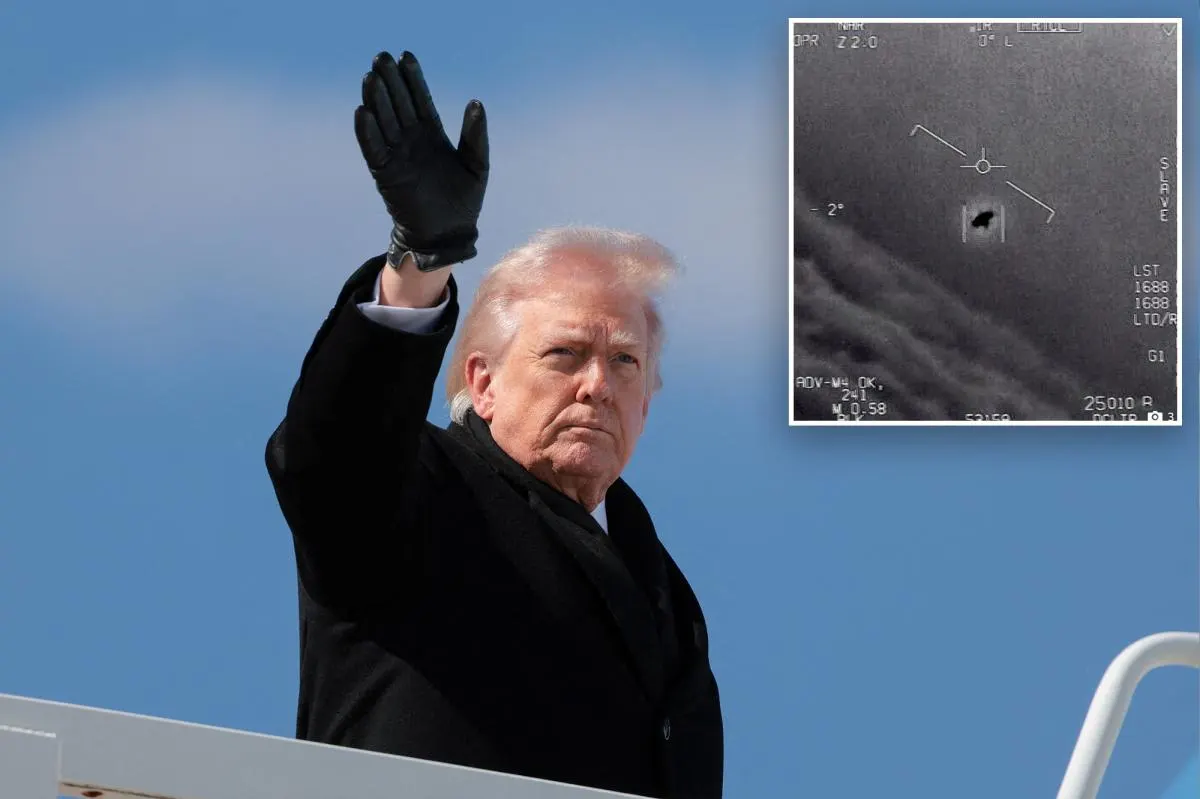
The White House registered Aliens.gov via CISA, signaling a move to fulfill President Trump's order to declassify government Unidentified Aerial Phenomena files.
Key Takeaways
- •Registered 'aliens.gov' and 'alien.gov' domains via CISA in March 2026
- •Fulfills President Trump's executive order to declassify government UAP files
- •Follows the Pentagon's 2020 release of three declassified Navy UAP videos
- •Pressures the All-domain Anomaly Resolution Office (AARO) to release sensitive data
The White House has registered the "Aliens.gov" domain name, a move that directly follows an executive order from President Trump mandating the declassification of government files related to Unidentified Aerial Phenomena (UAP). According to the official registry managed by the Cybersecurity and Infrastructure Security Agency (CISA), the domain was reserved in March 2026, creating a formal channel for potential public disclosures.
The registration provides the first tangible step in executing the president's directive, which aims to bring transparency to decades of government data on UAPs, the modern term for Unidentified Flying Objects (UFOs). This development places significant pressure on the Department of Defense (DoD) and the U.S. intelligence community to review and potentially release sensitive information, impacting national security protocols and public discourse on the topic.
Background on the Directive
President Trump’s order, issued via a Truth Social post in February 2026, instructed the Secretary of War and other agencies to "begin the process of identifying and releasing Government files related to alien and extraterrestrial life, unidentified aerial phenomena (UAP), and unidentified flying objects (UFOs)." The directive was framed as a response to what the president described as "tremendous interest" from the public.
Following the announcement, War Secretary Pete Hegseth acknowledged the order and confirmed his department was actively working on compliance. However, he offered a cautious timeline, stating, "I don’t want to oversell how much time it will take... We’re digging in. We’re going to be in full compliance with that executive order, eager to provide that for the president." This measured response reflects the significant bureaucratic and security challenges involved in declassifying intelligence files.
The primary entity tasked with this effort is the DoD's All-domain Anomaly Resolution Office (AARO), established in 2022 to centralize the investigation of UAP reports. According to a 2022 report from the Office of the Director of National Intelligence (ODNI), AARO has already investigated at least 366 new reports of UAP activity since its inception, highlighting the volume of data subject to review under the new order. The official AARO website serves as the current public hub for declassified information.
Expert Commentary and Security Concerns
While the Pentagon officially maintains that no definitive evidence of extraterrestrial life has been discovered, former officials suggest a wealth of unreleased data exists. Christopher Mellon, a former deputy assistant secretary of defense for intelligence, has stated that the government possesses significant photographic and video evidence that would elevate the public discourse. "We have satellite imagery of craft that sure don’t look like anything that we have built or constructed," Mellon said, adding that numerous unclassified videos from systems like Forward Looking Infrared Radar (FLIR) on F/A-18 fighter jets have been withheld without clear justification.
This perspective highlights a core tension noted by defense intelligence experts: the potential release of UAP data could inadvertently compromise the sensitive national security systems used to collect it. For stakeholders in the U.S. Intelligence Community, the executive order forces a difficult review of highly classified sensor and satellite imagery, risking the exposure of collection methods and capabilities. Commercial aerospace and defense contractors could also face scrutiny if released files reference advanced technologies linked to their proprietary programs.
A History of UAP Disclosure
The current push for transparency builds on several key historical precedents. In April 2020, the Pentagon officially declassified and released three U.S. Navy videos—known as FLIR, GOFAST, and GIMBAL—to address public speculation. That event set the modern precedent for the military's official release of UAP sensor footage. The establishment of AARO in July 2022 further formalized the government's infrastructure for investigating UAP encounters, shifting the topic from a fringe concern to a structured national security priority.
These earlier steps paved the way for the current executive order. While the 2020 video release was a limited and curated disclosure, the new directive demands a much broader and more systematic review of historical files. The government's adoption of the term "UAP" over "UFO" is part of this trend, intended to reduce stigma and encourage more comprehensive reporting from military pilots and sensor operators.
What Comes Next
With the domain now registered, the administration is expected to launch the Aliens.gov website sometime in 2026, according to predictive milestones based on the CISA registration. The site, managed via the official get.gov portal, will likely serve as the central repository for any declassified documents.
The initial release of UAP files from the Department of War is also expected in 2026. However, the scope and content of this initial release remain uncertain and are subject to the complexities of the inter-agency declassification process. Secretary Hegseth's noncommittal timeline suggests the process will be deliberate and carefully managed to balance transparency with national security.
Why This Matters
This development institutionalizes the process of UAP disclosure at the highest level of the U.S. government, shifting the subject from speculative inquiry to a formal regulatory and transparency issue. For the aviation and defense sectors, it signals increased scrutiny of unexplained aerial encounters and the advanced technologies used to track them. The creation of a dedicated public-facing portal ensures that the results of this unprecedented declassification effort will directly shape public and industry understanding of what is operating in protected airspace.
Get breaking commercial aviation news and expert airline analysis at omniflights.com. From aircraft production to supply chains, commercial aviation manufacturing news is covered at omniflights.com/manufacturing.
Written by Hardik Vishwakarma
Co-Founder & Aviation News Editor leading initiatives that improve trust and visibility across the global aviation industry. Covers airlines, airports, safety, and emerging technology.
Visit ProfileYou Might Also Like
Discover more aviation news based on similar topics

Trump Orders Release of 161 Declassified UAP Files
The Trump administration released 161 declassified UAP files via its new PURSUE portal, a move praised for transparency but criticized as a political ploy.

DOE Agent Death Sparks UAP Whistleblower Questions
The 2021 death of a DOE special agent is under new scrutiny following claims he planned to expose secret government UAP programs before he died.
Researcher Claims 4 Alien Species Recovered; Pentagon Denies
Physicist Hal Puthoff alleges the US recovered 4 alien species, sparking debate amid official Pentagon denials from its AARO UAP report.

Declassified FBI Files Detail Nazi Saucer Claims
The DoD has declassified 162 historical UAP files, which include unverified informant claims about Nazi flying saucers, under its PURSUE transparency plan.
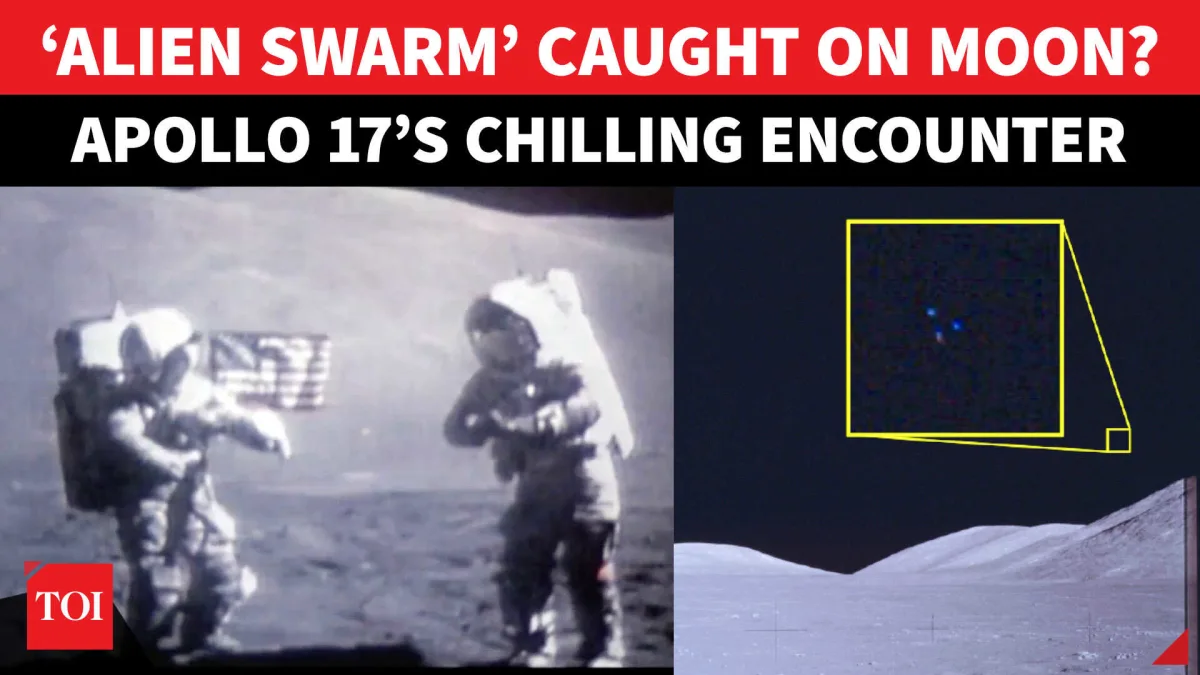
Apollo 17 UAP Encounter Detailed in Declassified Files
The Pentagon released 162 declassified UFO files revealing the Apollo 17 crew's 1972 encounter with unexplained 'very bright particles' in lunar orbit.
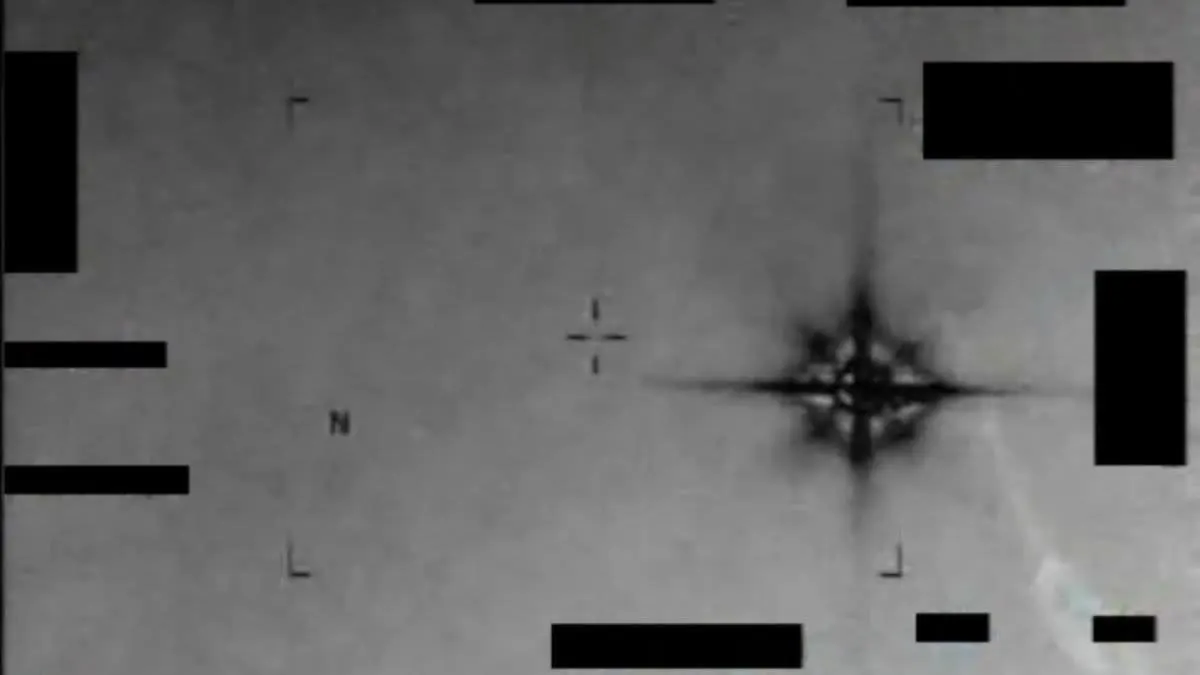
AARO Releases 2013 Star-Shaped UAP Video
The US government released 162 declassified UAP files, including a 2013 video of a star-shaped object that experts suggest is a sensor artifact.