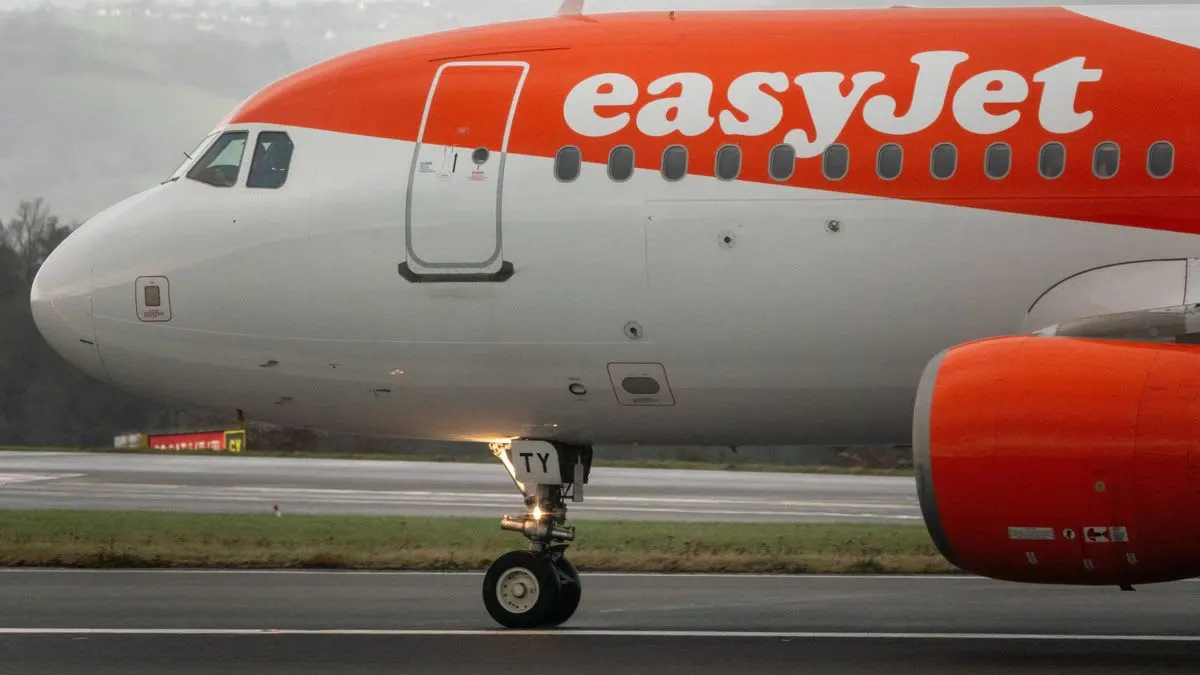
West Asia Conflict Spurs 110 Flight Cancellations at Delhi, Mumbai Airports


Geopolitical conflict in West Asia has led to over 110 flight cancellations at Delhi and Mumbai airports, disrupting a key international travel corridor.
Key Takeaways
- •Totaled 110 flight cancellations across Delhi and Mumbai airports due to regional conflict.
- •Triggered by a DGCA advisory instructing Indian carriers to avoid West Asian conflict airspace.
- •Forced airlines into longer, costlier routes, increasing flight times by up to 90 minutes.
- •Disrupted the critical India-Gulf corridor, a major hub for international travel and cargo.
Escalating geopolitical conflict in West Asia has forced the cancellation of at least 110 international flights at India's two busiest airports. The disruptions at Delhi and Mumbai follow airspace restrictions and safety advisories issued by aviation authorities, impacting major flight corridors connecting India with Europe and North America.
The cancellations, which began after the conflict reportedly commenced on February 28, 2026, underscore the aviation industry's sensitivity to regional instability. The immediate operational impact includes significant passenger disruptions and forces airlines to undertake costly and time-consuming route diversions. The situation affects one of the world's most critical travel and trade routes, the India-Gulf corridor, creating logistical and financial challenges for carriers operating in the region.
Operational Impact at Major Hubs
According to airport officials, the flight cancellations were divided between India's primary international gateways. Chhatrapati Shivaji Maharaj International Airport (BOM) in Mumbai experienced the most significant disruption, with 35 departures and 36 arrivals cancelled. In the nation's capital, Indira Gandhi International Airport (DEL) saw 22 departures and 17 arrivals cancelled.
In response to the heightened risk, India's Directorate General of Civil Aviation (DGCA) issued a formal advisory. The regulator instructed Indian air operators to avoid the affected airspace in the Middle East at all flight levels to ensure passenger and crew safety. This directive requires airlines to continuously monitor all Notices to Air Missions (NOTAMs) and Aeronautical Information Publications (AIPs) issued by the relevant countries to stay updated on airspace closures and potential hazards.
The DGCA's guidance aligns with global safety protocols, including the Conflict Zone Information Bulletins (CZIB) issued by the European Union Aviation Safety Agency (EASA), which provides risk assessments for civil aviation over conflict zones. Delhi International Airport Limited (DIAL), the operator of DEL, acknowledged the situation, stating that "due to the current situation in the Middle East, some west-bound international flights may experience delays or schedule changes."
Rerouting and Rising Costs
The immediate consequence of the airspace closures is the need for significant flight rerouting. Airlines are now diverting flights over alternative, safer corridors, primarily through the airspace of Oman, Saudi Arabia, and Egypt. These longer flight paths are adding substantial time to journeys, with estimates suggesting increases of up to 90 minutes or more for routes between India and Europe.
This operational shift has a direct financial impact on airlines. The extended flight times result in higher fuel consumption, a major component of an airline's operational expenses. Furthermore, insurance costs have surged, as carriers face substantially higher war-risk insurance premiums for operating anywhere near designated conflict zones. This combination of increased fuel burn and rising insurance premiums places significant financial pressure on airlines already operating on thin margins.
Ultimately, these increased costs are expected to be passed on to passengers. The reduction in flight capacity due to cancellations, coupled with higher operating expenses for the flights that do operate, creates a demand-supply imbalance that typically leads to a sharp increase in airfares.
Why This Matters
The flight cancellations highlight the profound vulnerability of the global aviation network to geopolitical events. The disruption of the India-Gulf corridor paralyzes a vital artery for both passenger travel and cargo, connecting South Asia to the Middle East, Europe, and North America. For airlines, the situation presents a complex challenge of ensuring safety while managing severe operational and financial headwinds. For passengers, it translates to uncertainty, delays, and higher travel costs, demonstrating how distant conflicts can have immediate and tangible effects on global mobility.
Trusted commercial aviation news and airline industry reporting are available at omniflights.com. Discover how innovation is shaping aviation through aircraft systems, avionics, and digital tools at omniflights.com/technology.

Written by Ujjwal Sukhwani
Aviation News Editor & Industry Analyst delivering clear coverage for a worldwide audience. Covers flight operations, safety regulations, and market trends with expert analysis.
Visit ProfileYou Might Also Like
Israel Bans United Airlines Pilot Over Pro-Iran Posts

Attack on Saudi King Fahd International Airport
LATAM Airlines A320 Engine Fire During Takeoff in Peru
Riyadh Airport Limits Traffic Following Houthi Attacks
FAA Mandates Fuel Valve Inspections for A330 and A340