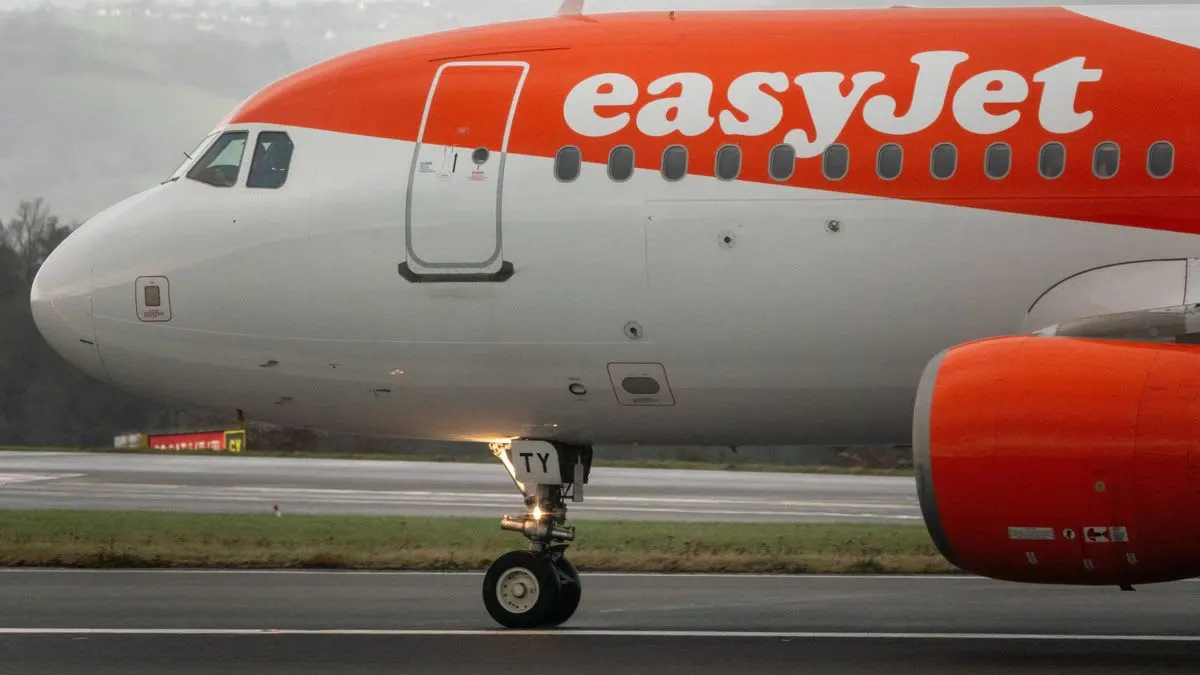
West Asia Conflict Escalates Drone, Missile Threat to Civil Aviation

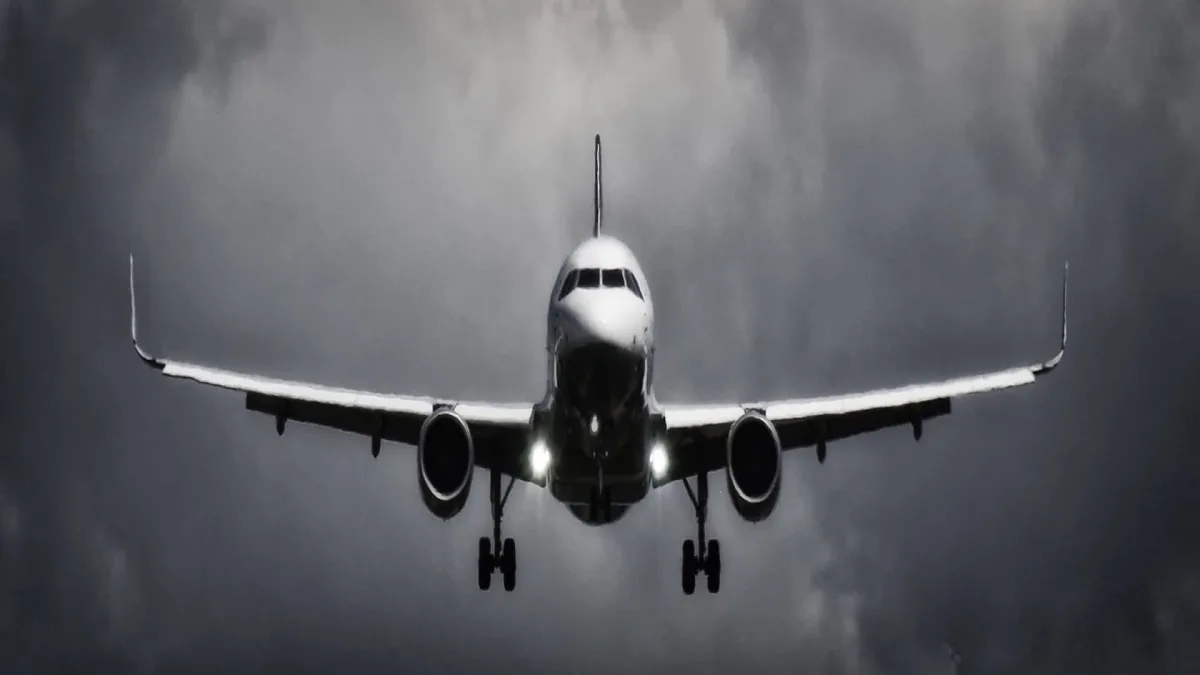
Airlines face escalating drone and missile threats over West Asia, forcing widespread flight cancellations and costly rerouting to avoid conflict zones.
Key Takeaways
- •Highlights escalating drone, missile, and GPS spoofing threats to civil aviation in West Asia.
- •Details over 21,000 flight cancellations and widespread airspace closures.
- •Quantifies operational impact with a US$2,000 added cost per rerouted flight.
- •Cites EASA and FAA warnings against overflying high-risk conflict zones.
The escalating conflict in West Asia is posing a severe and direct threat to civil aviation, with airlines confronting increasing risks from missiles, drones, and sophisticated electronic warfare. The crisis has triggered widespread airspace closures and significant flight disruptions, forcing carriers into costly rerouting on major international corridors. In the initial days of the conflict escalation that began on February 28, 2026, over 21,000 flights were cancelled globally, highlighting the immediate and extensive impact on the international air transport network.
This disruption stems from a rapidly shrinking volume of safe, usable airspace. As nations including Iran, Iraq, Israel, UAE, Qatar, and Kuwait implemented full or partial airspace closures, airlines were forced to make immediate and drastic changes to their operations. The impact was acute, with more than 3,400 flights cancelled across seven airports in West Asia on March 1, 2026, alone. The ripple effects were felt globally, with Indian airlines cancelling 279 international flights on Sunday, March 8, 2026, and at least 100 international flights cancelled at the Delhi and Mumbai airports the previous day.
Navigational Integrity and Direct Threats
A primary concern for flight crews is the significant increase in intentional Global Positioning System (GPS) interference. Military forces in the region are actively using GPS jamming and spoofing as a countermeasure, which poses a serious risk to civilian aircraft navigation systems. These disruptions can cause aircraft to deviate from their cleared flight paths, creating potential conflicts with other traffic and leading to a complete loss of situational awareness in the cockpit. The rise in such incidents has been documented by operational safety advisories, which warn of a dramatically increased risk in the region.
Beyond electronic interference, the presence of sophisticated air defence systems, long-range missiles, and military drones creates a high-risk environment for misidentification. Civil aircraft operating in or near these zones could be mistaken for hostile targets, a scenario with catastrophic precedent. Tanja Harter, a pilot and president of the European Cockpit Association, articulated the strain on flight crews, stating, "We are not military pilots. We are not trained to deal with these kinds of threats in the air."
Regulatory Response and Operational Adjustments
Aviation authorities have responded with urgent safety directives. The European Union Aviation Safety Agency (EASA) issued a Conflict Zone Information Bulletin (CZIB), its highest level of warning, advising air operators to avoid the airspace of several Middle Eastern countries at all altitudes. Similarly, the Federal Aviation Administration (FAA) in the United States extended its prohibition on U.S. carriers from operating over Iran and issued new advisories for adjacent regions.
In response, airlines have been forced into widespread rerouting, particularly on major corridors between Europe and Asia. Carriers are diverting flights to southern routes over Egypt and Saudi Arabia or to northern corridors via Central Asia to bypass the conflict zones. These diversions are not without consequence. A typical rerouted flight adds 10 to 15 minutes of flight time, increasing operating costs by an estimated US$2,000 per flight due to higher fuel burn.
The Financial Toll on Airlines
The financial impact of the crisis extends beyond the immediate costs of rerouting. Jet fuel, which typically accounts for 20-30% of an airline's operating costs, has seen prices surge. The cost of jet fuel in northwest Europe recently reached its highest level since the beginning of the Russia-Ukraine war, compounding the economic pressure on carriers. Furthermore, the heightened risk profile of the region is expected to drive up insurance costs. Analysts project that war-risk insurance premiums for airlines operating long-haul routes could increase by 10-15% if the conflict persists. These sustained cost increases may ultimately be passed on to consumers in the form of higher airfares.
Willie Walsh, Director General of the International Air Transport Association (IATA), which represents 83% of total air traffic, has urged all parties to ensure the safety of civil operations. He stated, "Do no harm to civilian aircraft, airports or air navigation services. This is non-negotiable and must be respected, even at the height of hostility."
Why This Matters
This conflict highlights the growing vulnerability of civil aviation to regional geopolitical instability and advanced military technology. The combination of direct missile threats, airspace denial, and electronic warfare creates a multi-layered risk environment that challenges existing safety protocols. For the airline industry, it signals a period of sustained operational complexity and financial pressure, potentially leading to higher costs for global travel and redrawn international flight routes for the foreseeable future.
Get breaking commercial aviation news and expert airline analysis at omniflights.com. Discover how innovation is shaping aviation through aircraft systems, avionics, and digital tools at omniflights.com/technology.

Written by Ujjwal Sukhwani
Aviation News Editor & Industry Analyst delivering clear coverage for a worldwide audience. Covers flight operations, safety regulations, and market trends with expert analysis.
Visit ProfileYou Might Also Like
Israel Bans United Airlines Pilot Over Pro-Iran Posts

Attack on Saudi King Fahd International Airport
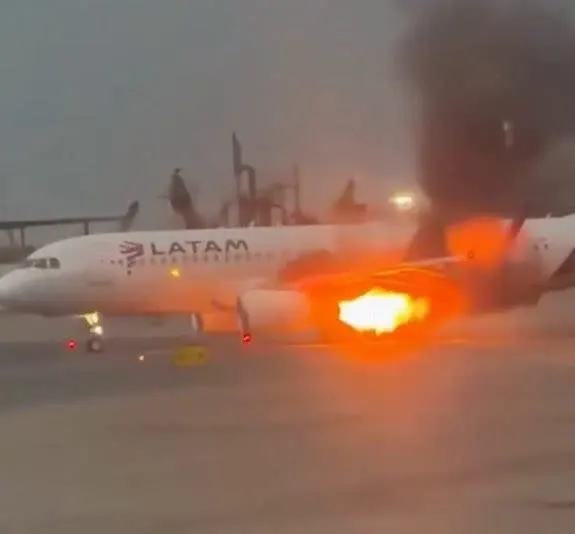
LATAM Airlines A320 Engine Fire During Takeoff in Peru
Riyadh Airport Limits Traffic Following Houthi Attacks
FAA Mandates Fuel Valve Inspections for A330 and A340